



What the cold actually does to a heat pump here
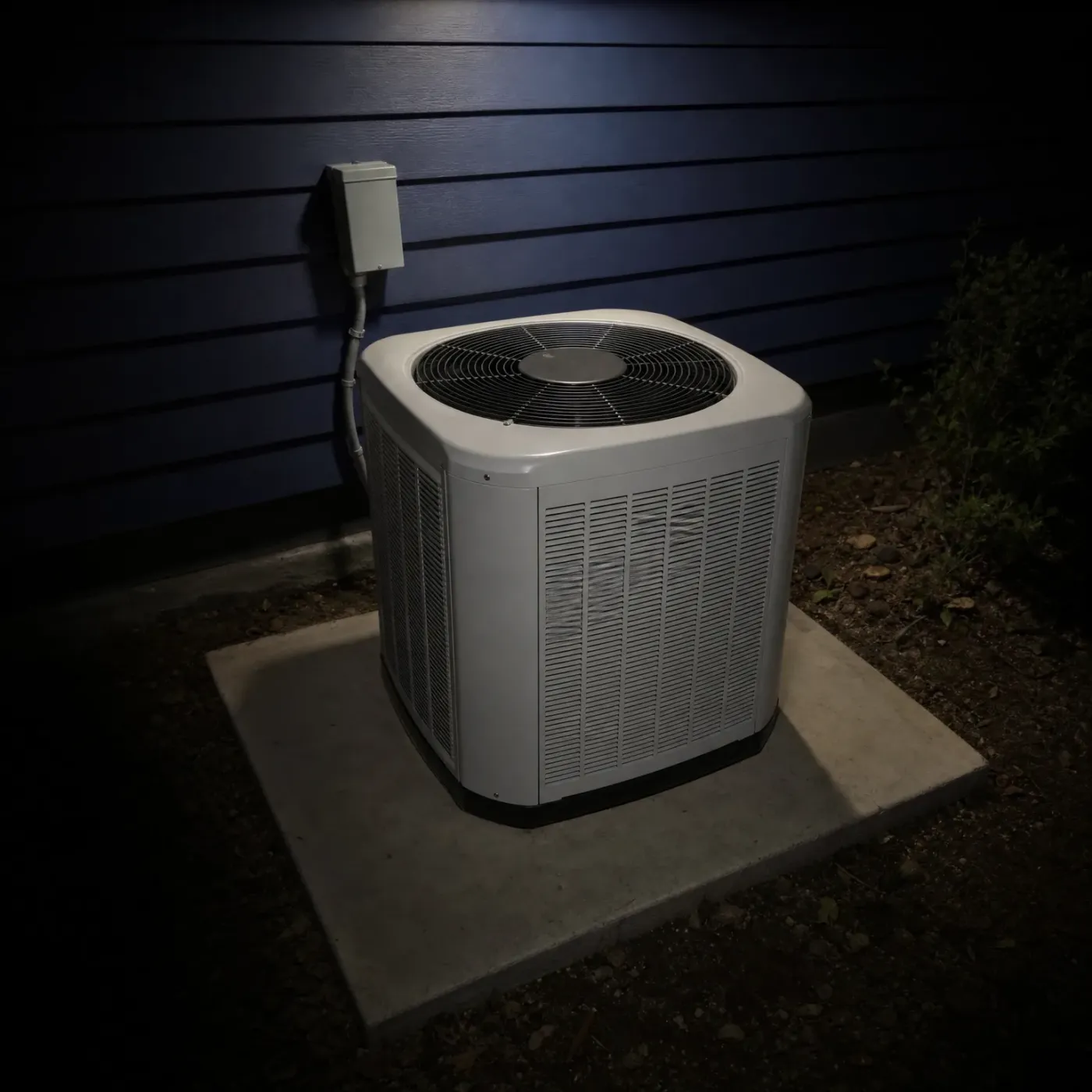
Winter nights in Knox County average 16°F, and a heat pump's two trouble marks sit well above that. Below 40°F its heat output drops under its rating. Below about 35°F it usually needs backup heat to make up the difference. Your average night is below both marks, not close to them.
Of the roughly 275 nights a year the heat runs, about 145 fall at or below freezing. That's over half the heating season spent below the point where a standard heat pump starts to struggle. Only about 10 nights a year reach 0°F, so the deep cold is rare, but the ordinary cold that makes a heat pump work harder is not rare here, it's most of the winter.
A heat pump built to carry the ENERGY STAR Cold Climate label is a different machine in this weather. To earn it, a heat pump has to deliver at least 1.75 units of heat per unit of electricity at 5°F and hold onto 70 percent of its 47°F capacity at that same temperature, and that has to be verified by outside testing, not just claimed. In a two-winter field test of prototype cold-climate heat pumps in real homes, backup heat covered only a small share of the load between 0°F and 35°F, and the home running on backup alone was rare even above 0°F. That is the gap between a heat pump rated to the federal minimum and one built for a Maine winter.
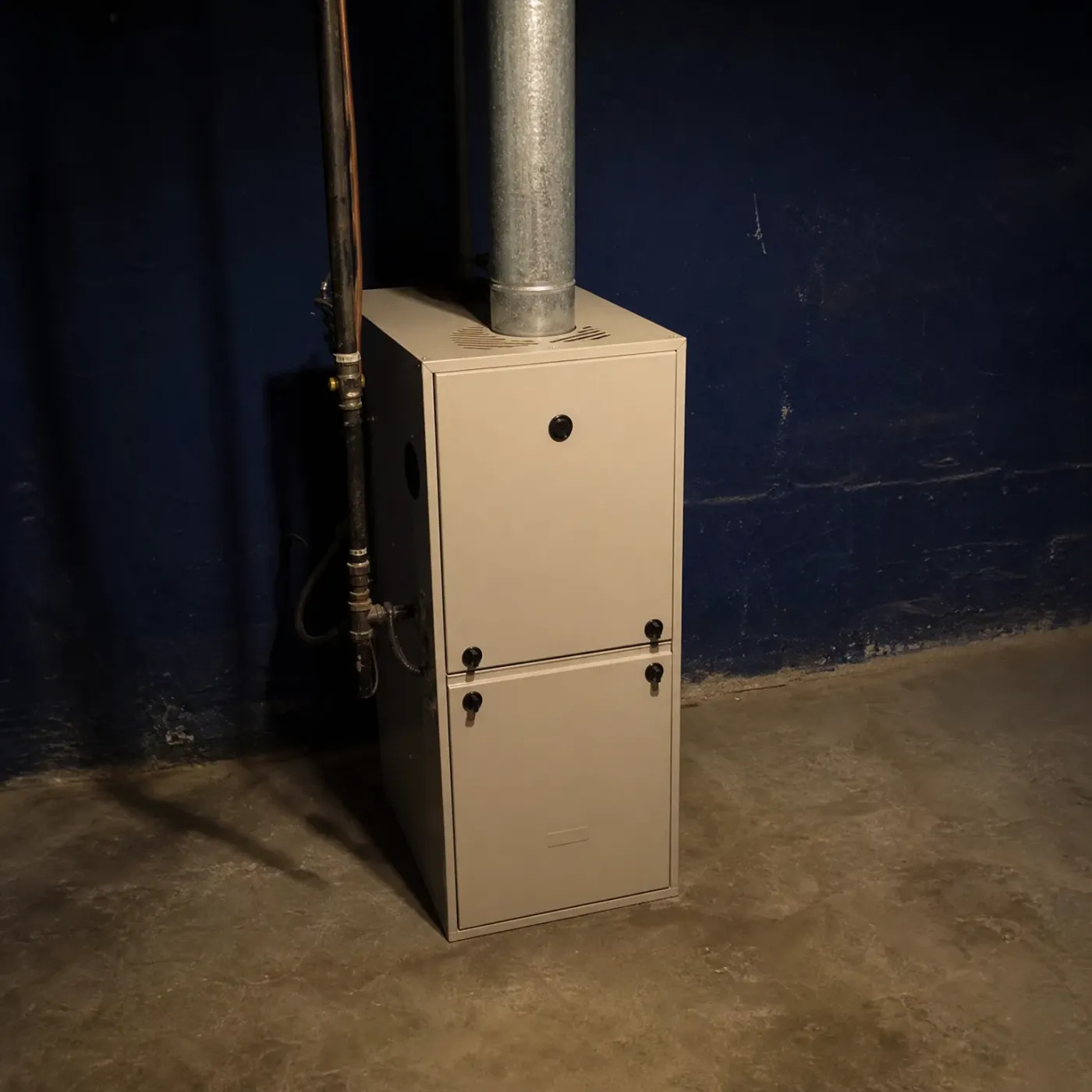
A furnace does not have this problem. It makes the same heat whether it is 40°F out or 0°F, because it is burning fuel rather than pulling heat from outside air.