
Furnace Installation in Maine
Homes in Maine need heat for more months of the year than in 35 of the other 49 states.
Tell us about the job
Takes about a minute. No obligation.
- 13°Fwinter overnight low where people live
- 9 monthsof heat, September through May
- $18.17 per million Btuwhat homes paid for natural gas in 2024 (Btu means British thermal units, a measure of heat)
- 1,491winter storms from 2015 to 2024
Fuel oil here costs $23.73 per million Btu Efficiency decides what you pay to stay warm
- Winter lows 15°F in southern counties, 11°F in northern ones
- Winter nights average 13°F where people live
- Heat runs September through May
- 1,491 winter storms from 2015 to 2024
- Climate zones 6A and 7 across the state
- 54% of homes lost power a day or more in 2024


What Maine's housing means for this job
Half the homes in Maine were built in 1977 or earlier. That doesn't call for a bigger furnace or a pricier one, just a standard size installed to fit the house it's going into. Most homes here, 72.5%, are detached single-family houses, the kind any licensed installer sizes for every day. Mobile homes make up 8.2% of the housing here, and those need a furnace rated for that kind of installation, which a standard lineup already covers. Nothing about the housing stock here calls for special equipment. What matters more is getting the size and efficiency right for the house you've got.

Furnaces here run September through May, about nine months a year. That's longer than 35 other states see, and it means more hours on the igniter, the blower motor and every other part that moves. A system sized right for a Maine winter has to handle months of steady work, not just a cold snap here and there.
Overnight lows average 13°F across December, January and February, colder than 43 other states get. Maine also sees heavy snow, ice and blizzards most winters, the kind of weather that pushes a furnace hard right when you need it most. A furnace sized for milder winters will struggle here.
Get it done before September
Heat starts in September here and runs through May. August is the last month before that stretch begins, and it's the easiest time to get a furnace swapped out. Nobody's shutting off a working system in the middle of a cold snap, and nobody's rushing a decision because the house is getting cold. Wait until the first hard freeze and you're choosing from whoever can get to you that week.


1 month of cooling, in July
9 months of heat, September through May
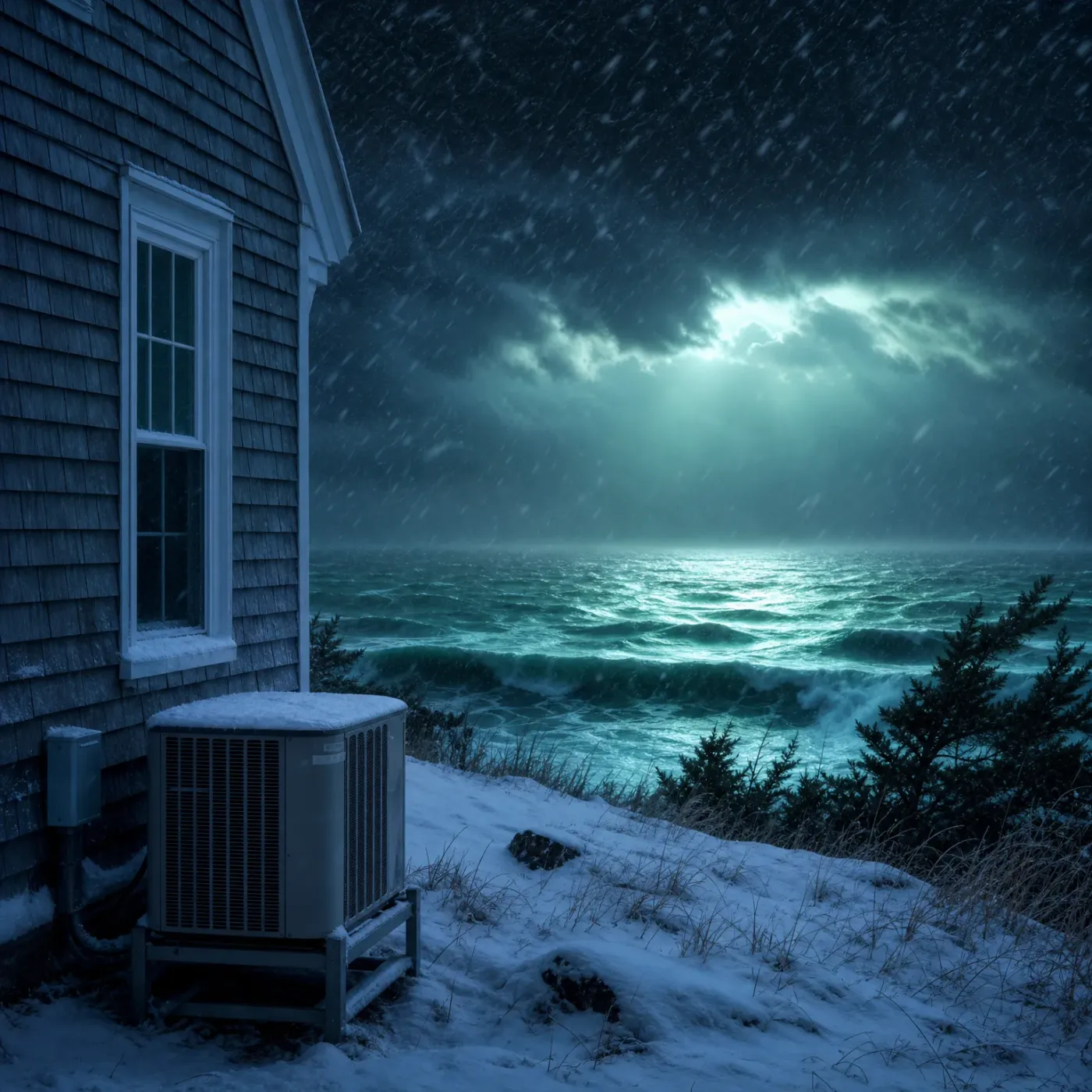
Severe weather hit Maine 2,971 times between 2015 and 2024, more than 30 of the other 49 states when you look at the counties where people actually live. Winter storms account for most of that, 1,491 events of heavy snow, ice and blizzards. That matters for a furnace more than almost anything else in the house, since it runs hardest exactly when a storm is most likely to knock the power out.
Damaging wind struck 1,181 times over that same stretch, and the strongest gust measured hit 81 mph. Wind like that brings down the branches and lines that cause outages. A furnace with electric ignition and a blower motor does not run without power, oil or gas furnace alike.
Hail is less of a factor here than in most of the country. Maine saw 251 hail events, fewer than 34 other states. The largest stone measured 2.75 inches across. Hail mostly threatens outdoor equipment like a central air condenser. A furnace generally sits inside, out of its way.
Eleven tornadoes touched down between 2015 and 2024, the strongest rated EF1. Tropical storms and hurricanes reached Maine 31 times in that period, and lightning caused damage 6 times. None of these hit as often as wind or winter storms, but each one can knock out power long enough to matter.
Aroostook County carries the heaviest storm record in the state, with 400 events between 2015 and 2024.
The outage numbers are what stand out. 54% of Maine households went at least 24 hours without power in 2024, a bigger share than in every other state with a figure. A furnace with no power doesn't run, no matter how new or efficient it is. Anyone installing one now has a reason to ask about battery backup or a generator hookup alongside it, so a storm that takes down the lines doesn't also take the heat.
What does a furnace in Maine face?
How cold do winter nights get?
13°Faverage overnight low where people live
North Dakota4°F
Hawaii65°F
How many months does the heat run?
9 monthsof heating a year
Hawaii0 months
Alaska12 months
What does natural gas cost?
$18.17per million Btu, what homes paid in 2024
Montana$7.77
Hawaii$53.25
How often do storms hit?
218severe weather events per county from 2015 to 2024
Alaska5
Wyoming1,057
How many homes lost power for a day or more?
54%of homes in 2024
Arizona7%
Maine54%
What the rating on the label actually buys you
The efficiency rating tells you how much of the fuel burned turns into heat in your house, and how much goes out the flue. A furnace that converts more of it costs less to run every month it works. The rating also tells you what you're looking at. Older, lower-efficiency furnaces vent heat straight out through a metal flue. Higher-efficiency ones cool the exhaust enough to pull more heat out of it before it leaves, which is why they vent through PVC (rigid plastic pipe) pipe instead and why they need a condensate line to drain off the moisture that process produces. That changes what the installation involves, not just the fuel bill. A higher-efficiency furnace usually costs more upfront, but it keeps paying that back every month it runs. Either way, the rating only holds if the furnace is sized right for the house and installed the way it's supposed to be. An oversized furnace cycles on and off instead of running steady, and that short cycling wears parts out faster.
Taking out the old furnace
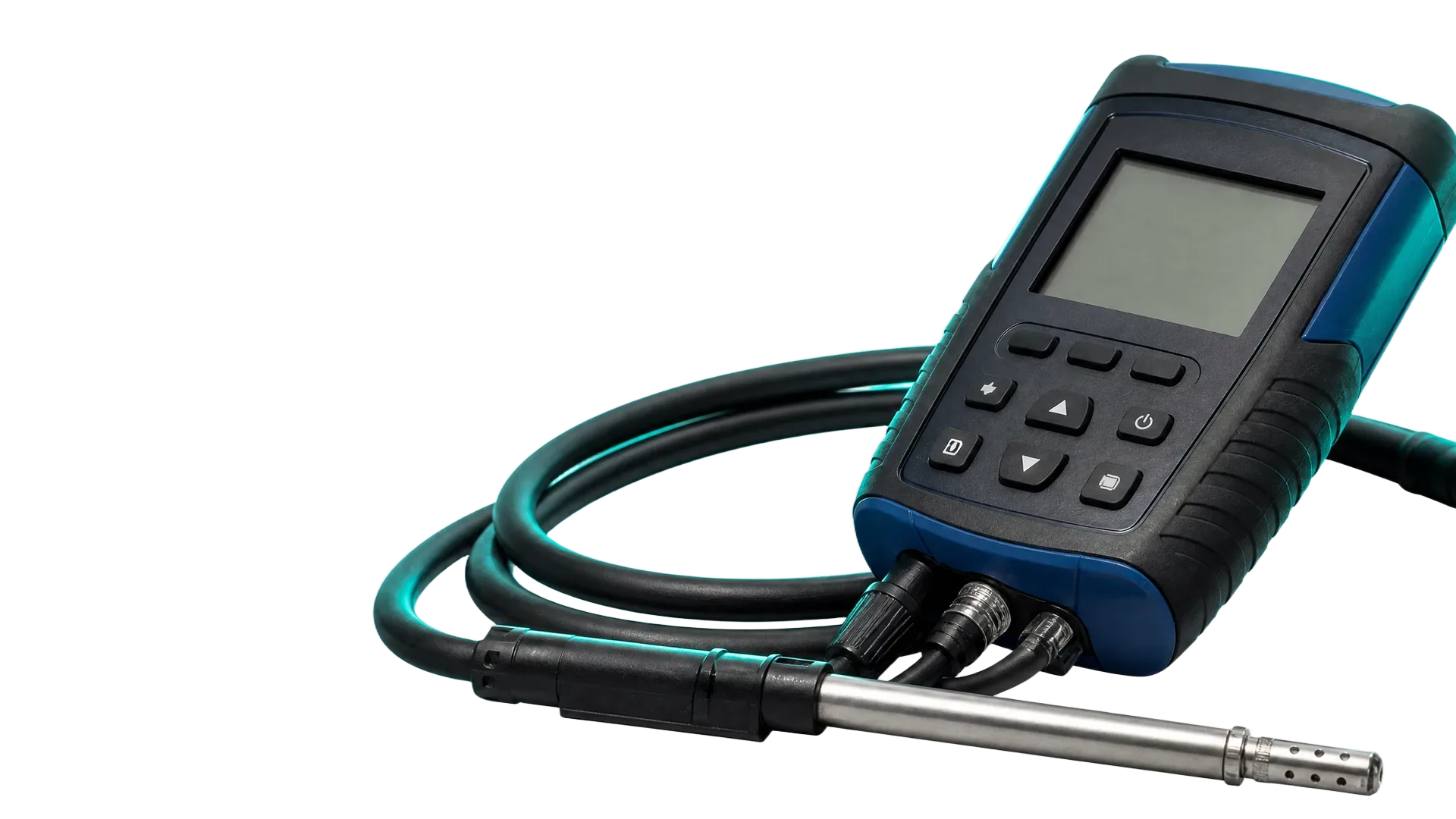
The old furnace doesn't just get unplugged and left. Gas and oil units get disconnected from the fuel line, and that line gets capped off safely, not left open. The vent connection comes apart too, whether that's a metal flue or PVC pipe. If the furnace is tied into the same flue as a water heater, that connection has to be looked at, since pulling one appliance off a shared vent can change how the other one drafts. Once it's disconnected, the old unit gets hauled out, usually in pieces if it came in a tight mechanical closet or attic the same way the new one has to go in. Whatever refrigerant, oil or fuel residue is left in the system gets drained and handled separately, not left for the next person to deal with. The old thermostat usually comes off the wall too if the new furnace needs a different kind of control wiring.
What's already running in most homes here
Most homes in Maine already heat with fuel oil or kerosene, 55.3% of them. If that's what you've got now, swapping in another oil furnace means the tank, the fuel line and the vent are already set up for it. Switching fuel types is a bigger job, new venting, new fuel supply, sometimes a new tank, and that's worth knowing going in rather than finding out partway through a quote.
Fuel oil here runs $23.73 per million Btu, and the furnace decides how much of that you burn for nothing.
Tell us about the job
Takes about a minute. No obligation.
Fill out the form once and hear from contractors who install furnaces built for a Maine winter.