Oil runs expensive here
Fuel oil cost Maine homes $23.73 per million Btu in 2024. If your furnace runs on oil, every inefficiency in that system shows up on the bill all winter.
Takes about a minute. No obligation.
Fuel oil cost Maine homes $23.73 per million Btu in 2024. If your furnace runs on oil, every inefficiency in that system shows up on the bill all winter.
When you're looking at furnace options for Farmington, ask what each one is rated to use, not just what it costs to install. A furnace that burns less fuel for the same heat matters more in a state where fuel costs this much.
NOAA nClimDiv, 1991–2020 normals
Fuel oil or kerosene heats 52% of homes in Franklin County.
If your furnace runs on oil already, matching that fuel keeps the install simpler than switching systems.



Heat starts in September here and runs through June. August is the one month before that begins, with no cold snap pushing the decision. A furnace that fails in the middle of winter gets replaced in a hurry, with whatever unit can be installed soonest. One installed in August gets chosen on its own terms, with time to compare systems and ask what each one is rated to do. Ten months of heat a year is a long stretch to run on a rushed choice.
Power costs more here, so an efficient system pays you back on every bill.
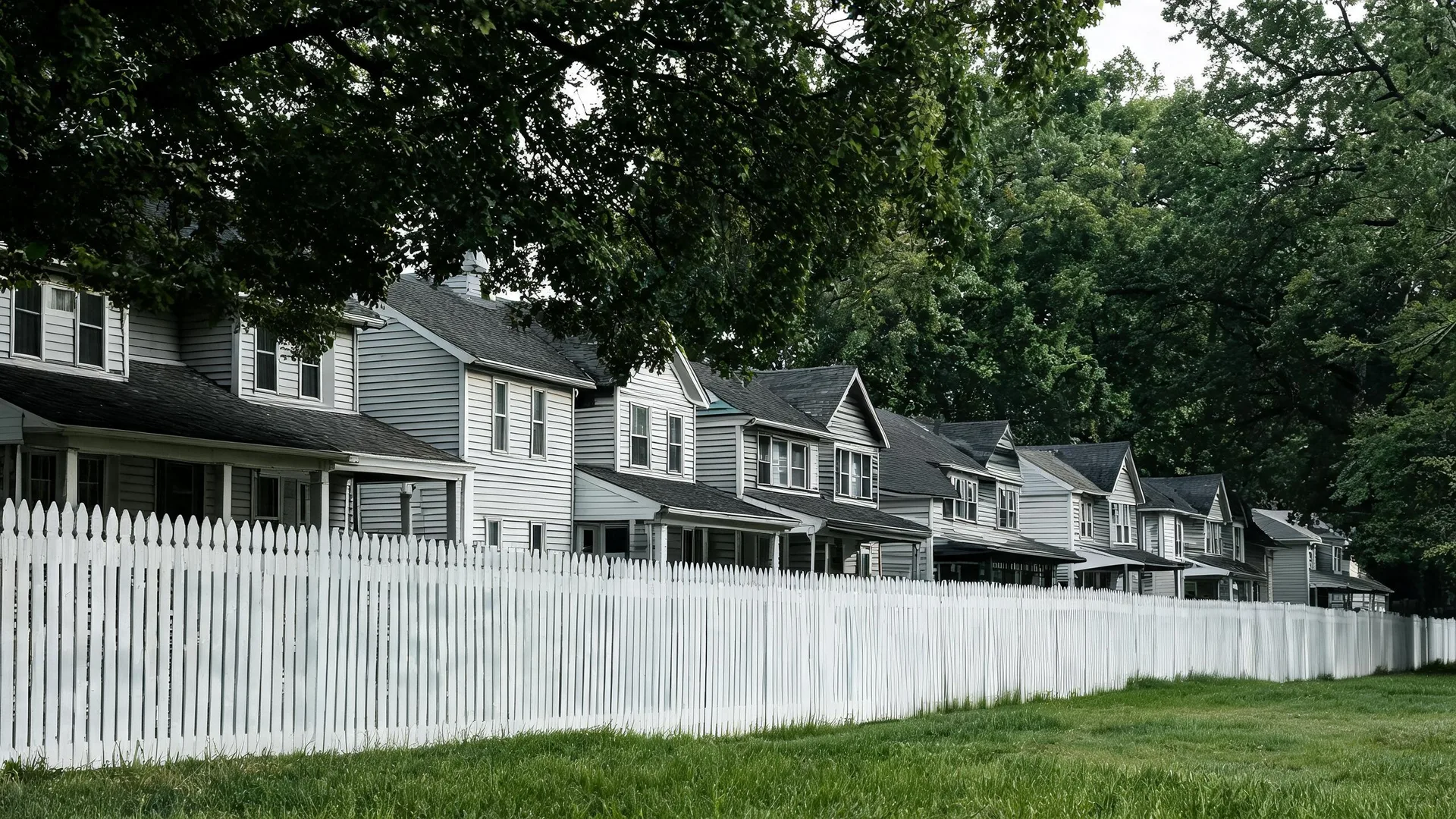
Find a contractorHalf the homes in Franklin County were built in 1978 or earlier, half in 1978 or later. That split doesn't point this furnace toward a bigger unit or a smaller one. A standard size, sized to the house by the contractor doing the install, fits either one. What matters more is what the furnace runs on and how many months it runs each year, and those hold steady whether the house is old or new.
A contractor works out the right size by measuring the house. Square footage, window area, insulation, how the walls and ceilings are built, all of it feeds into one number. That number says how much heat the house loses on the coldest day, and the furnace gets matched to it. Sizing off the old unit's rating alone is a bad habit, since that one may never have been sized correctly either.
A furnace that's too big heats the house fast, shuts off, then starts again soon after. That short cycling wears out the ignition system faster, and rooms farther from the furnace never quite catch up. A furnace that's too small runs constantly on the coldest days and still falls behind. The right size runs long, steady cycles and holds a temperature without straining.
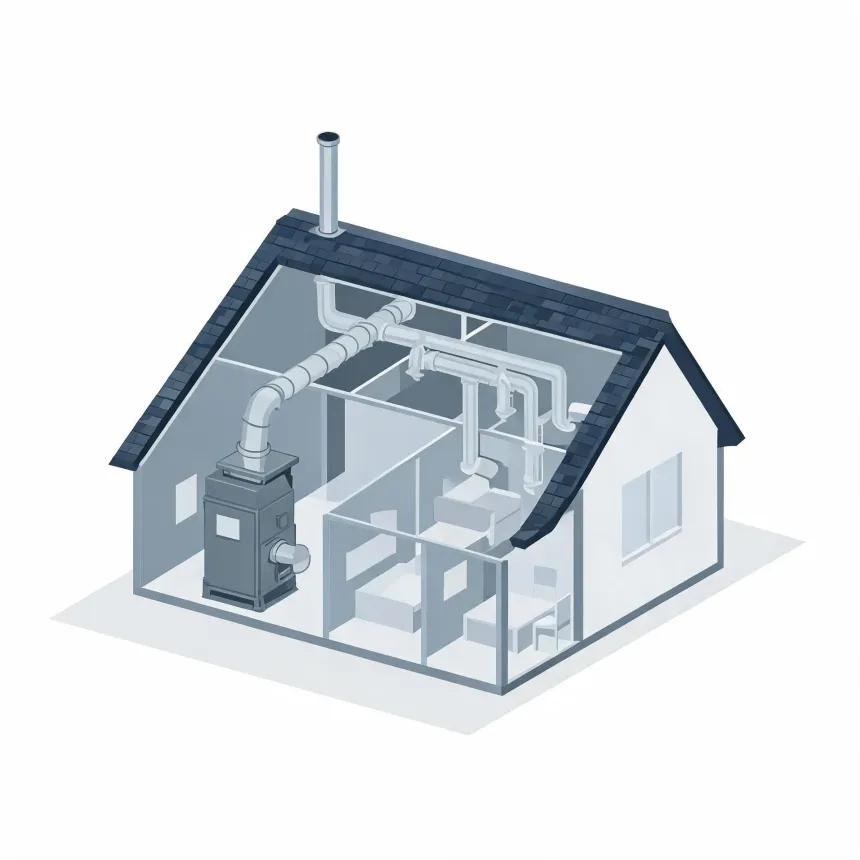
The unit itself is one line on the invoice. What it connects to is the rest. Running new venting, resizing ductwork, or adding a dedicated gas line all take labor and material the furnace price doesn't include. The plenum and duct transitions have to match the new furnace's airflow, and if the old ones don't fit, they get modified or replaced. Where the furnace sits matters too. One going into the same spot as the old unit costs less to install than one being moved to a new location. Venting changes with the furnace's efficiency rating, and a higher-efficiency model often needs a different vent type than what's already there. None of this shows up until a contractor sees the house and the existing setup.
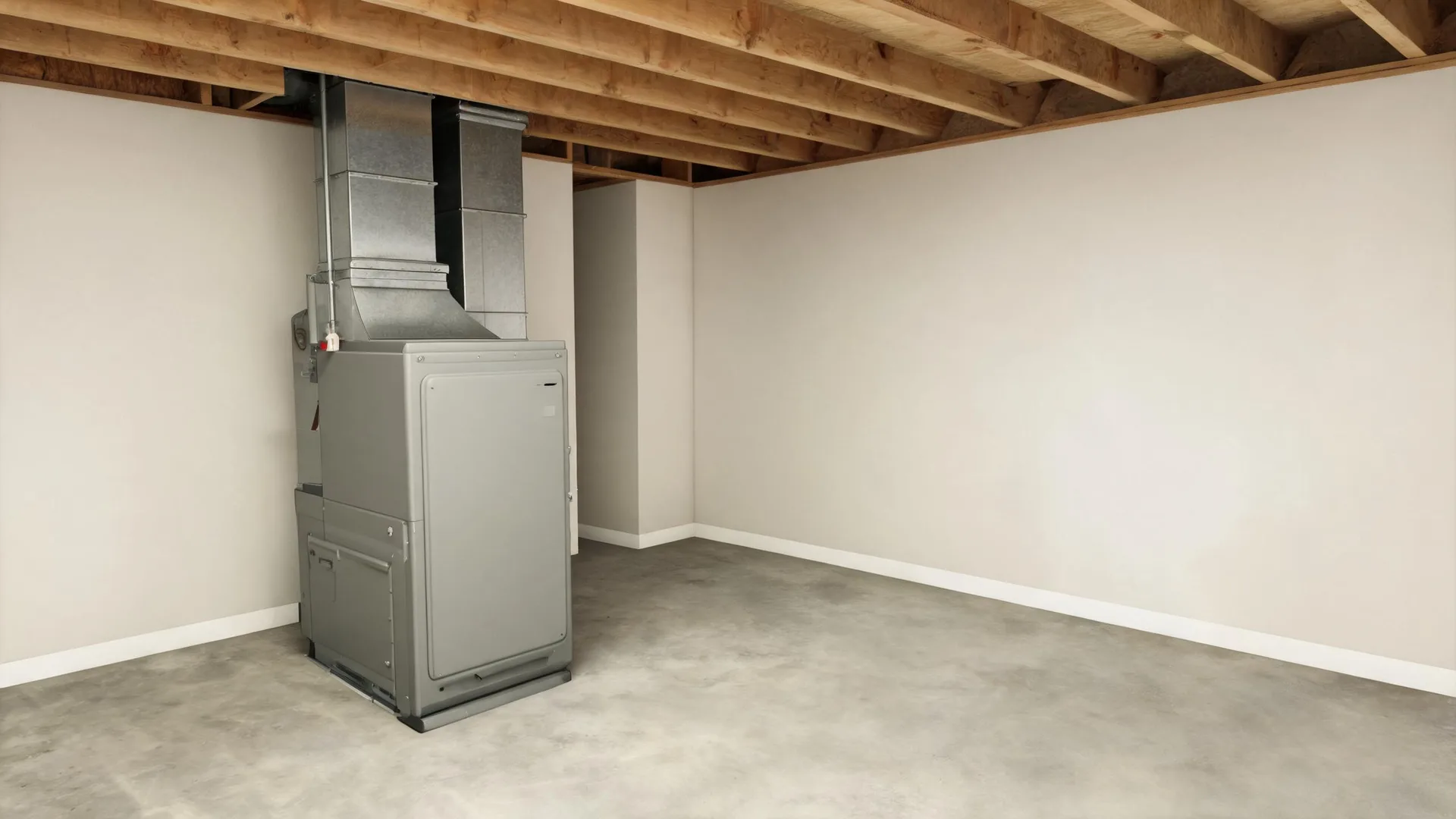
Installation day starts with the old furnace coming out, and that's often the slowest part if it's wedged into a tight mechanical closet or basement corner. Once it's clear, the new unit gets set in place and leveled, then connected to the gas line, the vent, and the ductwork. Electrical and a condensate line if the furnace is high-efficiency come next. Before anything gets buttoned up, a contractor checks the gas pressure, tests the ignition, and watches it run through a full cycle to see that the burners fire clean and the blower moves air the way it should. The last step is usually a check for carbon monoxide at the heat exchanger and around the vent connections, since that's not something to find out about later. A straightforward swap in the same location takes less time than one where ductwork or venting has to change.