Repair
Good for a boiler that's otherwise sound, just had one part fail, and has held pressure and heat fine through the rest of the season.

You've had a repair done or two and you're starting to wonder whether the next one is worth it. Oil boilers in Maine run hard for a good stretch of the year, and nobody wants to find out it's finished in the middle of a cold snap. You want to know what actually points to replacing it instead of fixing it again.
Most boilers hold up for a couple of decades, but the signs that matter are the ones in front of you. If the same boiler has needed a repair call more than once this past year, or if it's leaking, sooting up, or struggling to keep the house warm, that's your answer. Watch your oil use too. If it's going up while the house feels the same or colder, the boiler is losing efficiency even if it hasn't failed outright. Oil costs enough here that a few extra deliveries a year add up fast. A boiler that still runs fine and heats evenly doesn't need to go. One that's costing you more each winter, in oil or in repair bills, is telling you it's done.




Your boiler isn't heating air. It's heating water in a sealed chamber, then sending it out through pipes to the radiators or baseboards around the house. The aquastat is what tells the burner when to fire, and it's checking water temperature, not room temperature. Before that water gets hot, the nozzle has to turn the oil into a fine mist so it burns clean. A nozzle that's worn or partly clogged still fires, but it burns dirty, and that waste shows up on your oil bill long before you see a breakdown. Inside, soot collects on the heat exchanger year after year, and the thicker it gets, the harder the boiler has to work to pass that heat into the water. Then there's the circulator pump, pushing the hot water out to where it needs to go. If that pump is seizing up, you can have a boiler firing away in the basement while a room upstairs stays cold. None of these parts fail on their own timeline. They wear together, and what you feel is a boiler that runs longer to do the same job it used to do faster.
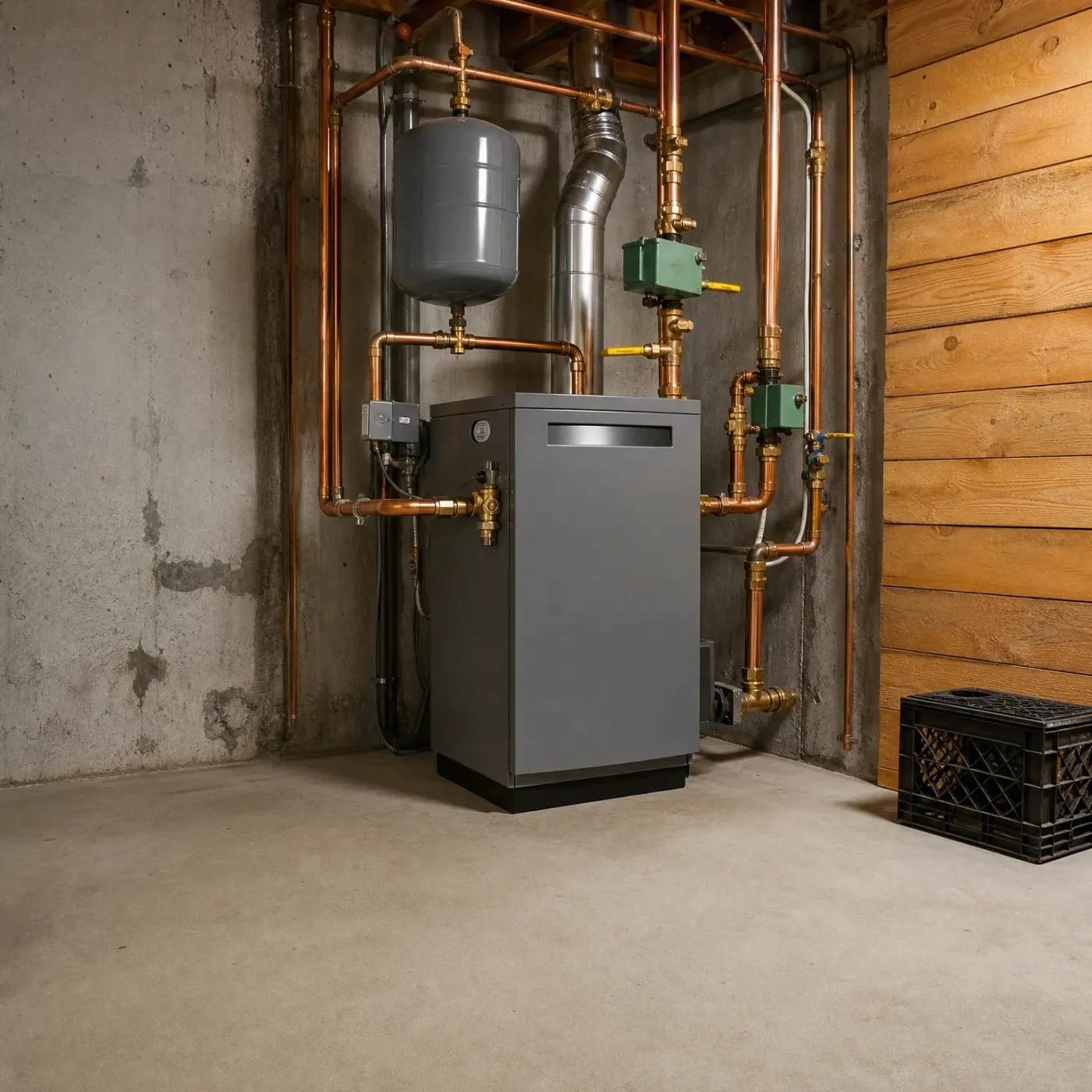
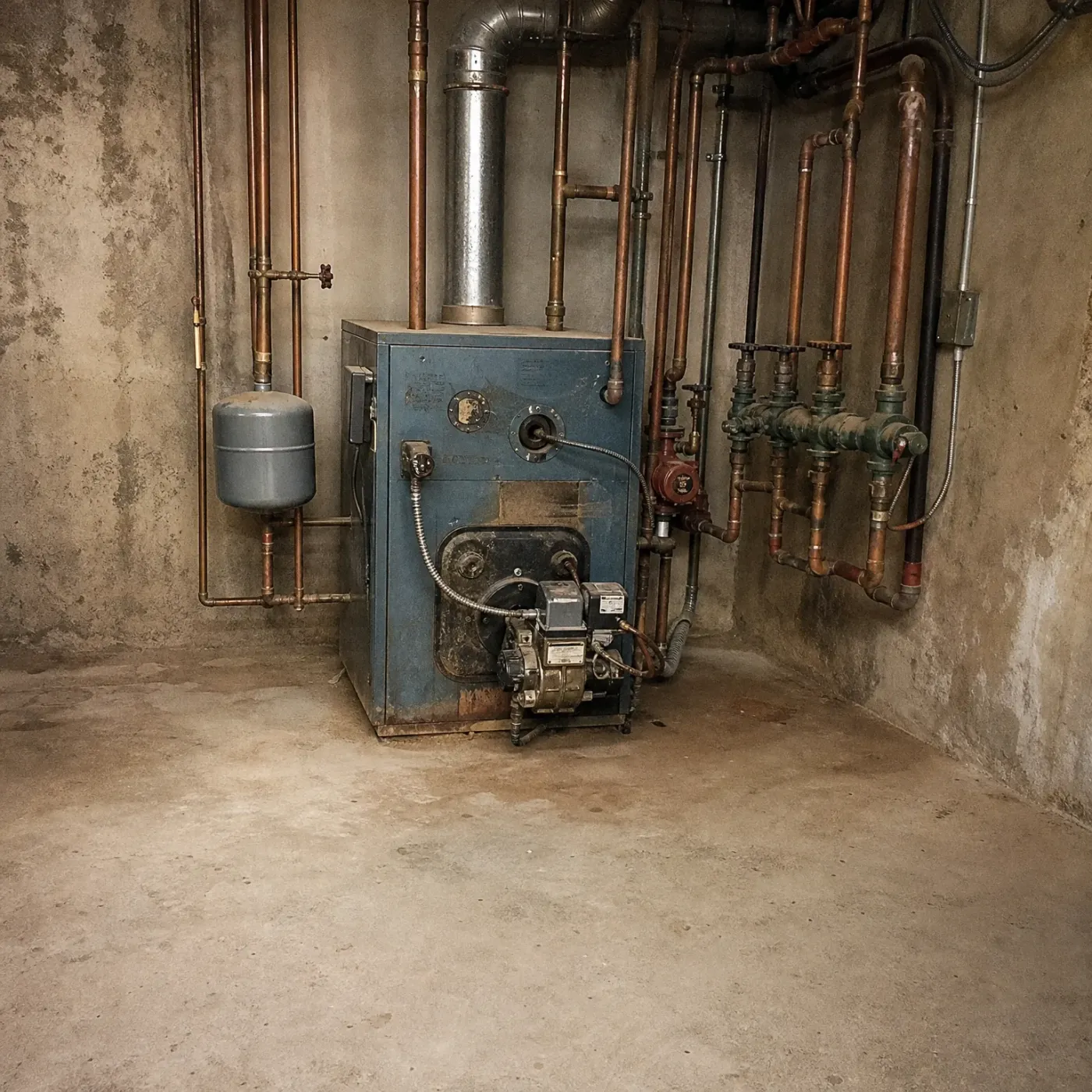
You notice it first in the oil tank gauge. A boiler that short cycles burns through deliveries faster, and in Maine, where oil heats most houses and power costs run high, that difference shows up fast on what you pay to stay warm. Soot and rust build up inside the chamber over the years, and that buildup makes the burner work harder to put the same heat into your rooms. You're paying for oil that's doing less.
Then there's what you feel in the house itself. A zone that used to heat evenly now leaves the far baseboard cool, which usually means the circulator or the boiler itself can't push water as hard as it used to. That's a comfort problem now. It becomes a bigger one on the coldest night of the year, when the system you're counting on most is the one most likely to quit, and you're left waiting for a repair instead of running the heat.
The risks underneath are less visible but matter more. Old shutoff valves seize with age, and a small leak that would have been nothing in a newer system can sit there turning into water damage before you catch it. A cracked heat exchanger is worse still. That's not a patch job. That's a carbon monoxide risk in your house, and it's the kind of failure that turns a maintenance decision into an urgent one.


One installer gets your project, so there's no bidding war over it.
Send the form and stop researching installers for the new boiler.
Asking costs nothing, and the choice to hire stays yours.
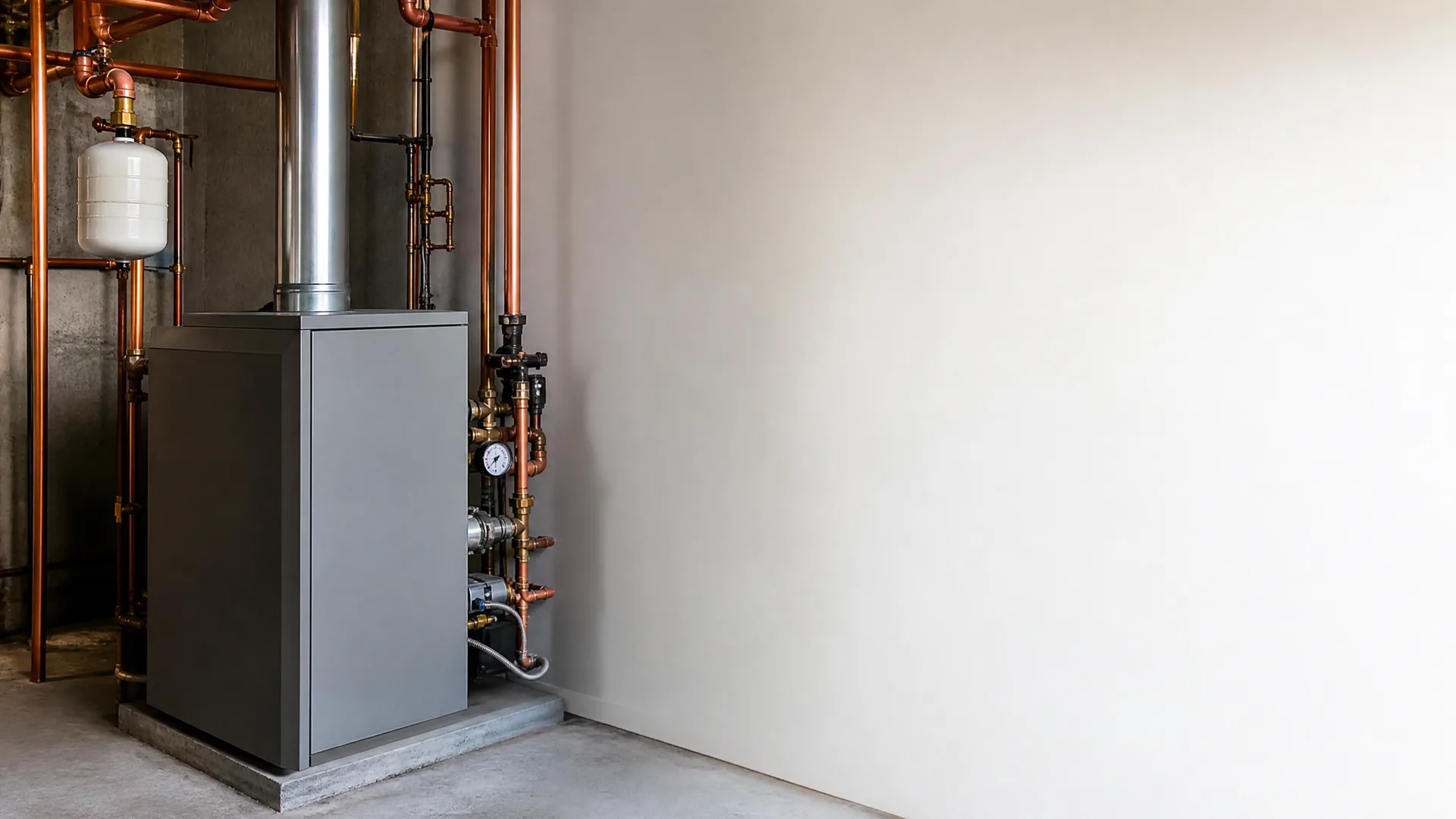
Most oil boilers in Maine hold up for 15 to 20 years when the flue draft is good and the water chemistry hasn't eaten at the cast iron from inside. Past that age, the sections start to pit even if the jacket outside still looks fine. A contractor can pressure test it, but once a boiler is past 20, a repair is a patch on a system that's running on borrowed time.
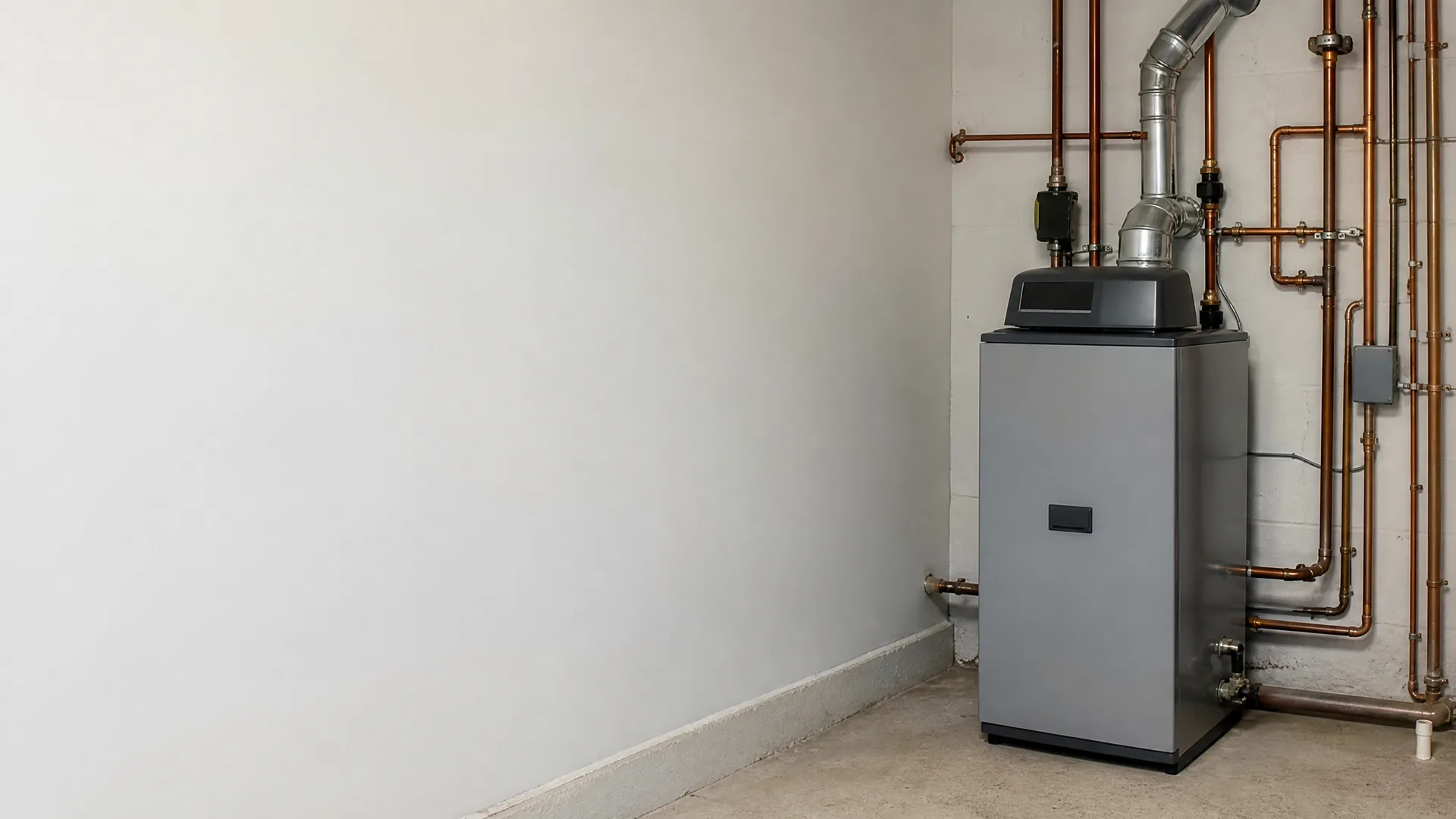
An oil boiler installed before the mid-1990s is likely running at 70 to 75 percent efficiency, meaning a quarter of every delivery is going up the flue instead of into your radiators. A new oil boiler runs 84 to 87 percent. On a Maine winter's worth of deliveries, that gap is real oil burned for nothing, every single heating cycle, for as long as the old unit keeps running.
Maybe the burner takes a couple of tries to catch, or it's running longer than it used to without the house feeling any warmer. Maybe there's a faint oil smell near the unit that wasn't there before, or soot around the flue connection. You might see water pooled at the base, or rust streaking down from a fitting. The oil truck is showing up more often than it used to for the same stretch of cold. None of this is unusual for a boiler that's been working for years, but a cracked section or a leak that's gone on too long can mean carbon monoxide getting into the house, not just a bigger bill.
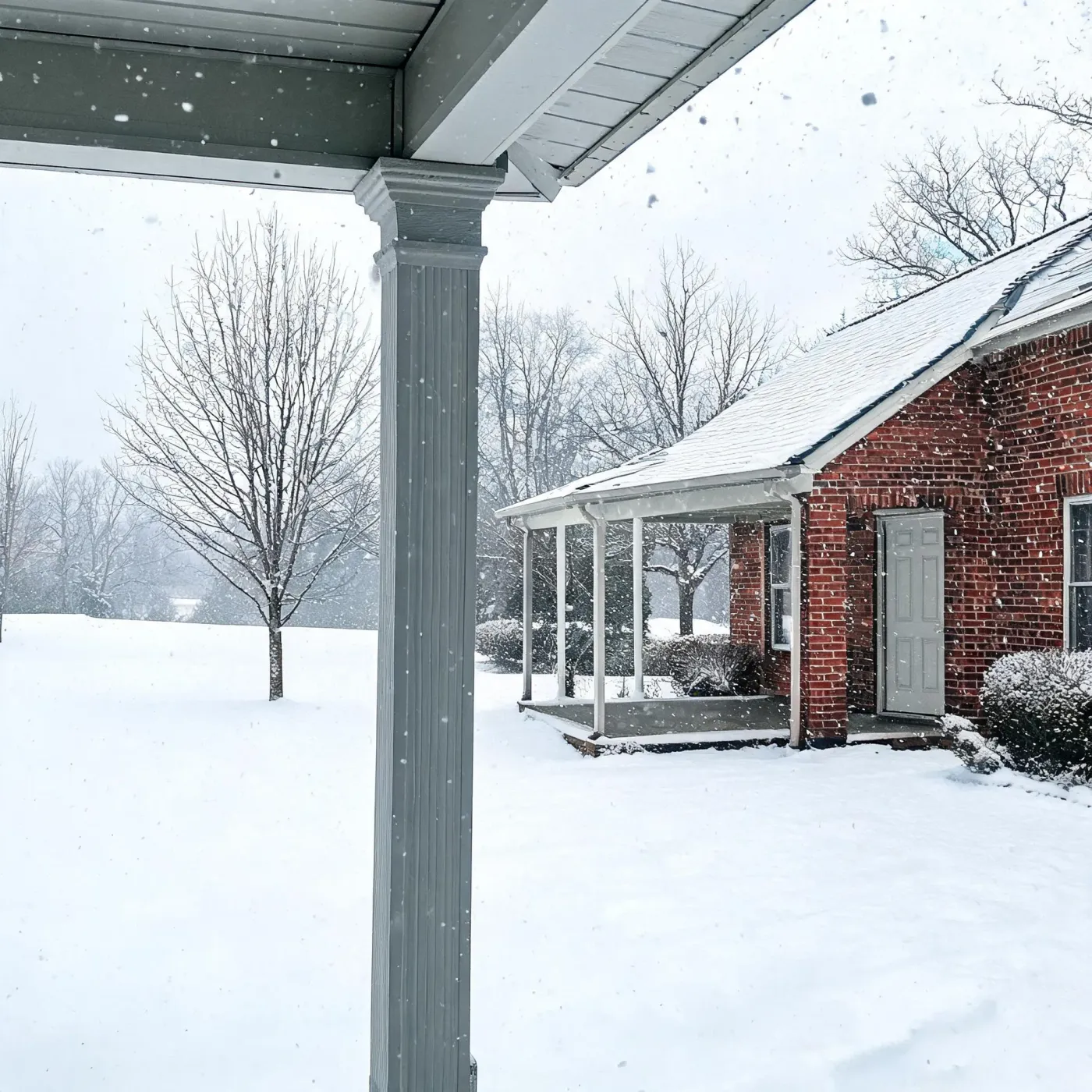
Winter nights average 13°F statewide, according to NOAA. That's the kind of cold that keeps your boiler firing most of the night instead of cycling on and off a few times. An older boiler can keep up with that, but it burns more oil doing it, and a weak aquastat or a tired circulator gets pushed harder on nights like these than it would anywhere milder. If your boiler's been struggling to hold the house at temperature, a run of nights near 13°F is when you'll feel it first, usually as rooms that stay cooler than the thermostat setting or a burner that runs long stretches without much to show for it.
NOAA nClimDiv 1991-2020 county normals weighted by homes
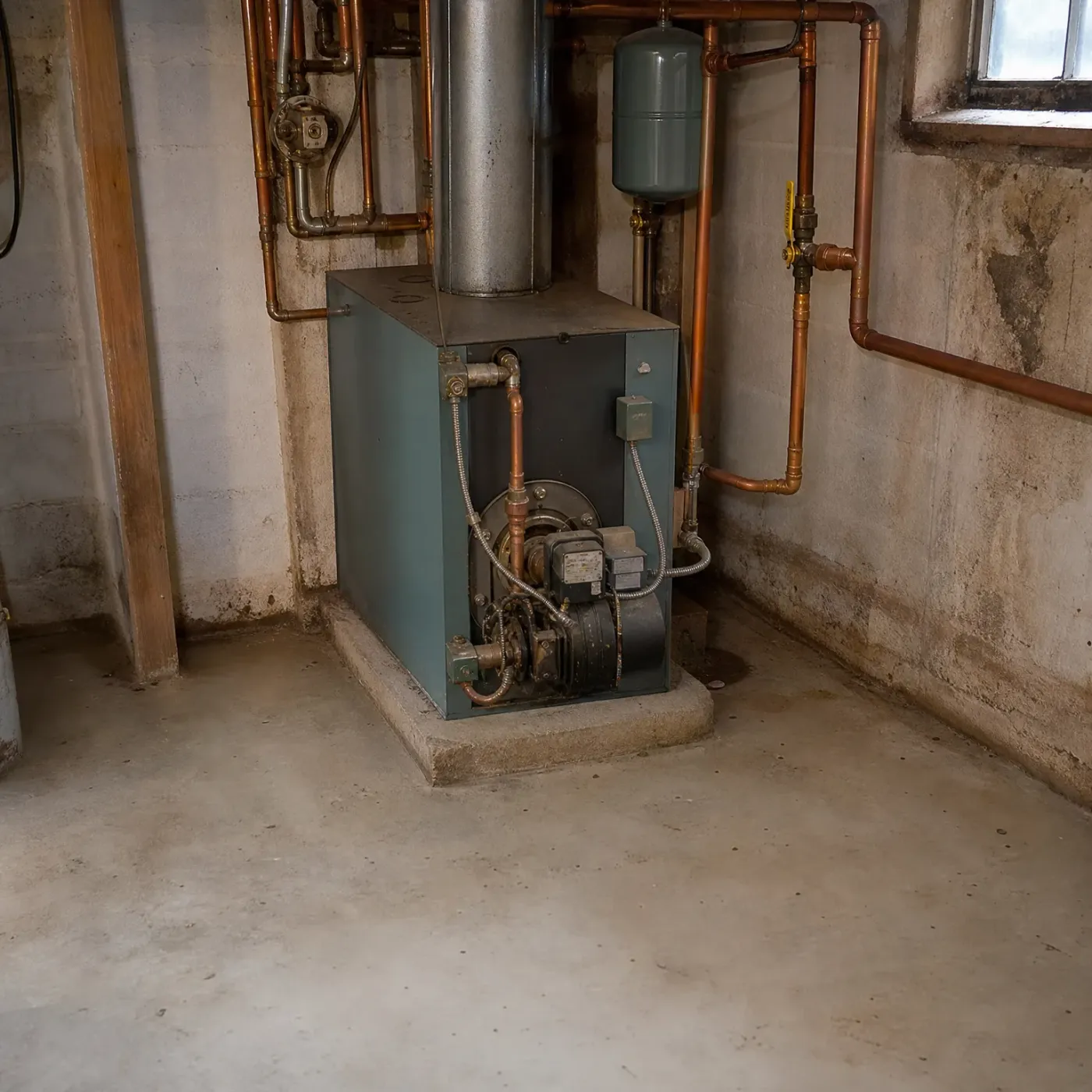
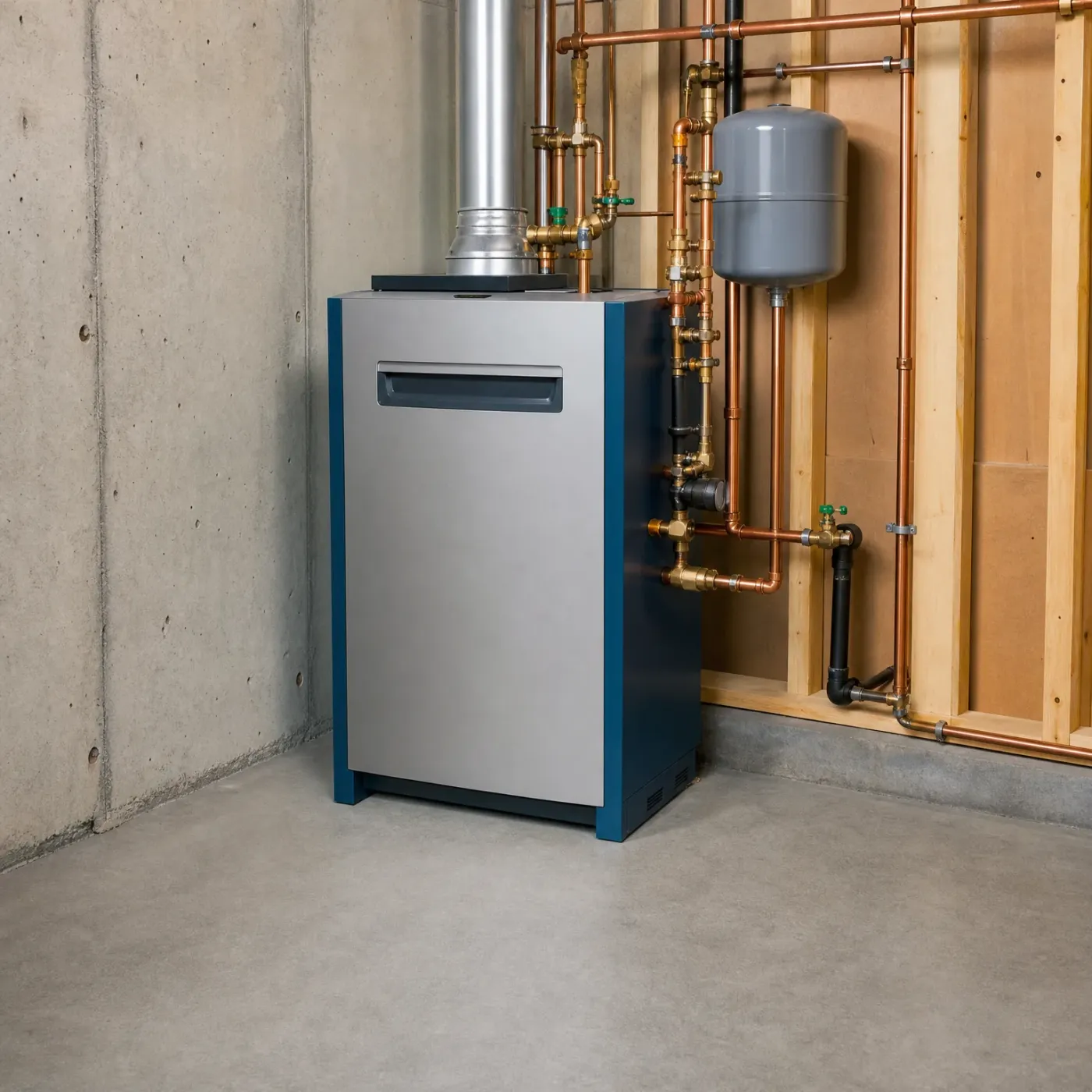
Good for a boiler that's otherwise sound, just had one part fail, and has held pressure and heat fine through the rest of the season.
Makes sense once failures keep coming back or the sections have started pitting, so you're not paying to patch a boiler that's already failing.
At 13°F, your boiler isn't cycling, it's holding a steady burn for hours at a stretch. An aquastat or circulator that's starting to go will show it first on nights like these, long before it fails on a milder one.
NOAA nClimDiv 1991-2020 county normals weighted by homes
A boiler that's pitted inside, short cycling, or into its second or third repair this season is telling you the next call shouldn't be for another patch. One that's holding pressure, firing clean, and still warming the house through nights at 13°F has earned another season before anyone touches it. You don't have to be the one who sorts out which it is. A local contractor who works on oil boilers all through a Maine winter has seen what a cast iron section looks like right before it goes, and what's still good for years. When you send the request, it goes to one of them, not a handful of companies competing for the job, so you're dealing with someone who knows this equipment rather than fielding calls. Whichever way your boiler is leaning, you'll know where you stand instead of waiting to find out at the worst part of January.
Sending the form costs nothing.
A boiler that keeps failing in the cold months isn't going to fix itself before the next cold snap. Getting a local contractor lined up now means one less thing to manage when a part finally gives out for good, and you're not stuck calling around while the house goes cold.