
Furnace Repair in Maine
Homes in Maine need heat for more months of the year than in 35 of the other 49 states.
Tell us about the job
Takes about a minute. No obligation.
- 13°Fwinter overnight low where people live
- 9 monthsof heat, September through May
- $18.17 per million Btuwhat homes paid for natural gas in 2024 (Btu means British thermal units, a measure of heat)
- 1,491winter storms from 2015 to 2024
Maine households lose power more than most. Winter storms hit hardest up in Aroostook.
- Winter lows 15°F in southern counties, 11°F in northern ones
- Winter nights average 13°F where people live
- Heat runs September through May
- 1,491 winter storms from 2015 to 2024
- Climate zones 6A and 7 across the state
- 54% of homes lost power a day or more in 2024

Oil heat is common across Maine, and oil ran $23.73 per million Btu in 2024. That's a cost that shows up fast when a furnace is misfiring, short cycling, or working harder than it should to hit the thermostat setting. A furnace that's struggling doesn't just run longer, it burns more oil doing less for you.
If your furnace has been acting up, that's not something to wait out through another cold snap. A small problem, a dirty nozzle, a bad igniter, a clogged filter, tends to cost you every day it's left alone. Getting someone out to look at it sooner costs you less than running it wrong for weeks.
Nine months of heat, starting in September
Furnace season here runs from September through May, nine months of the year. That first cold snap in September is when a furnace that was already weak gets found out. A nozzle that was fouled, an igniter that was already fading, gets asked to carry a full load right away and doesn't. If your furnace is acting up now, early in the season, that's the time to deal with it, not later when Aroostook is in the middle of a storm and everyone else's furnace is failing too.

1 month of cooling, in July
9 months of heat, September through May
Maine isn't one furnace climate. Winter nights average 11°F across the northern counties and 15°F across the southern ones, and that gap shows up in how hard the furnace runs, not just how cold it feels outside.
Aroostook County has it worst. Nights there average 4°F in December, January and February, and homes there need about 33% more heat over a year than homes in York County, where the need is lowest in the state. A furnace running in Aroostook is carrying a heavier load all winter than one in York, so parts that take the brunt of long burn times, the igniter, the heat exchanger, wear differently.
Knox County sits at the other end, with winter nights averaging 16°F. A furnace there still runs nine months a year like everywhere else in Maine, but it isn't being asked to recover from single-digit nights the way a furnace up in Aroostook is.
Homes across the northern counties need about 13% more heat over a year than homes across the southern counties. That's not a one-time difference. It's every week of the season, which means components sized for a southern Maine home can end up working past what they were built for if the house is further north.
Where someone's furnace sits in the state is worth knowing before guessing at what's wrong with it. A short cycling furnace in York points to a different cause than the same complaint in Aroostook, where the system has been leaning on a full output for months by the time a real cold stretch hits.
What does a furnace in Maine face?
How cold do winter nights get?
13°Faverage overnight low where people live
North Dakota4°F
Hawaii65°F
How many months does the heat run?
9 monthsof heating a year
Hawaii0 months
Alaska12 months
What does natural gas cost?
$18.17per million Btu, what homes paid in 2024
Montana$7.77
Hawaii$53.25
How often do storms hit?
218severe weather events per county from 2015 to 2024
Alaska5
Wyoming1,057
How many homes lost power for a day or more?
54%of homes in 2024
Arizona7%
Maine54%
Why a struggling furnace gets worse, not better
A furnace that's misfiring or short cycling doesn't fix itself by running longer. A dirty nozzle sprays an uneven flame, and that flame pattern burns carbon onto surfaces that are supposed to stay clean, so the mess builds instead of staying put. A cracked heat exchanger gets worse under heat cycling, not better. The metal keeps expanding and contracting around the same weak spot until the crack grows. An igniter that's fading still lights the furnace most of the time, right up until the day it doesn't, and every failed attempt in between puts strain on the control board watching for it. A clogged filter changes shape over time too. Airflow drops, the heat exchanger holds more heat than it should, and the limit switch starts cycling the burner on and off to keep up, which wears the system harder than running normally would. None of this looks like an emergency at first. A struggling furnace usually keeps making heat, so it's easy to live with for a while. But the parts carrying the extra strain don't know the difference between a furnace that's annoying and one that's failing. They just keep taking the hit until one of them quits.
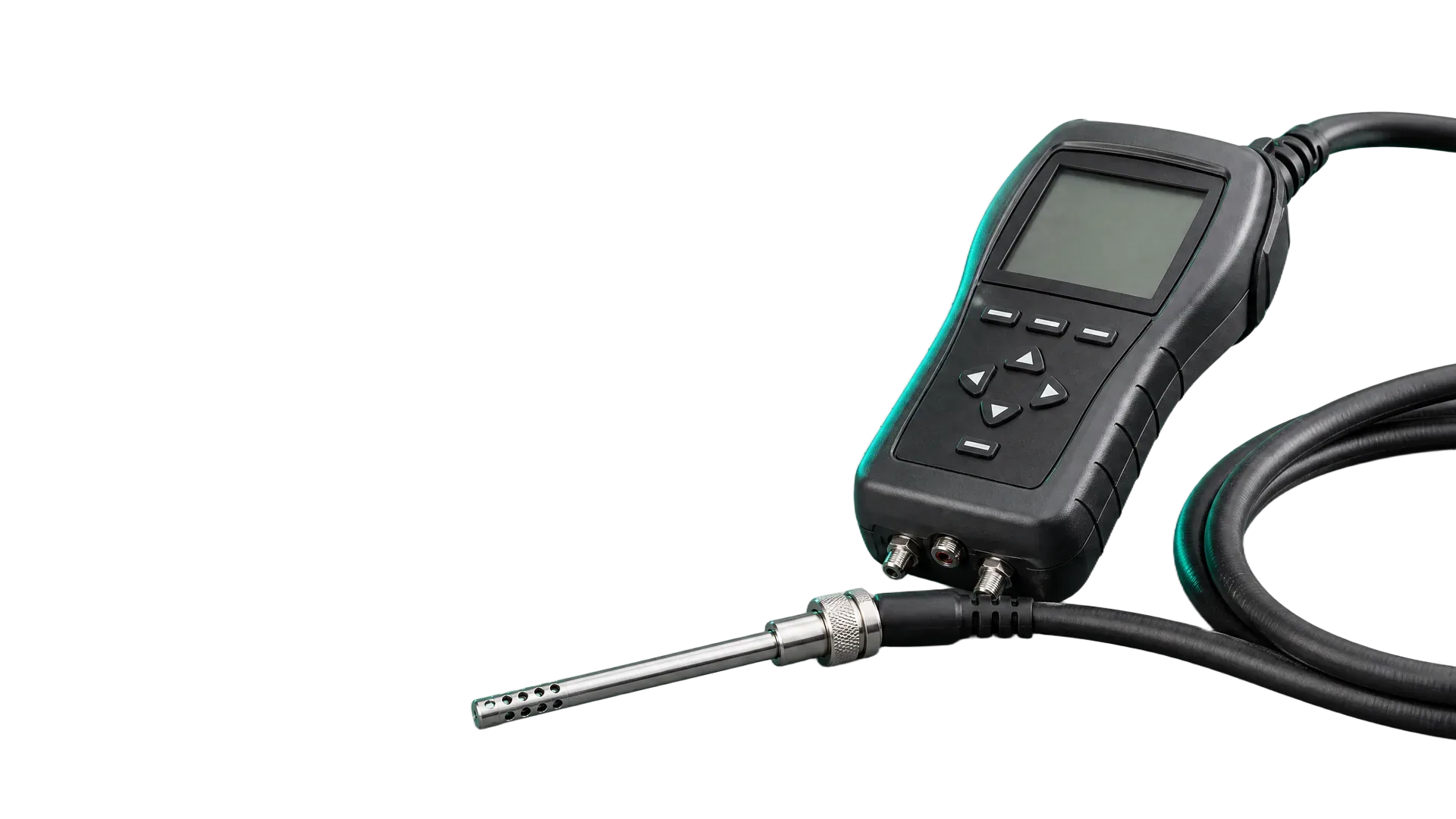
What a tech actually checks
A tech starts by asking what the furnace is doing. Not lighting, short cycling, blowing cold air, tripping a breaker, making a noise it didn't make before. That answer narrows things down before any panel comes off. Power and the thermostat call get checked first, because a furnace that isn't getting a signal looks broken even when it isn't. The filter comes next, since restricted airflow can mimic other problems that have nothing to do with the filter at all. Then the burner and the ignition system, watching the flame itself. Its color, its shape, whether it lights clean on the first try or struggles. A multimeter checks the igniter and the control board against the readings they're supposed to produce. The heat exchanger gets inspected for cracks, because a cracked one lets combustion gases mix into the air the furnace is heating, not just lose efficiency. The venting gets checked too, to make sure exhaust is actually leaving the house and not backing up. By the end, the tech isn't guessing. They've ruled things out one at a time until the real cause is the only one left.
Nothing unusual about the house
Half the homes in Maine were built in 1977 or earlier, and that alone doesn't tell you anything about what's wrong with a furnace. A furnace in an older house and a furnace in a newer one fail the same ways, for the same reasons, once you're looking at the unit itself rather than the house around it. Most homes here are detached single-family houses, an ordinary setup for a furnace and ductwork, nothing about it works against the system. Mobile homes are a smaller share of the housing here, and where a furnace is heating one, it's a different kind of system with its own venting and clearance rules, not a smaller version of the same furnace. For the house behind most calls, the story is simple. The furnace is old or it isn't, it's been maintained or it hasn't, and whatever it's doing right now has an ordinary explanation a tech can find.
A furnace acting up now is worth fixing before a storm knocks out power here.
Tell us about the job
Takes about a minute. No obligation.
Fill out the form once, and a licensed Maine furnace contractor calls to set up a time.