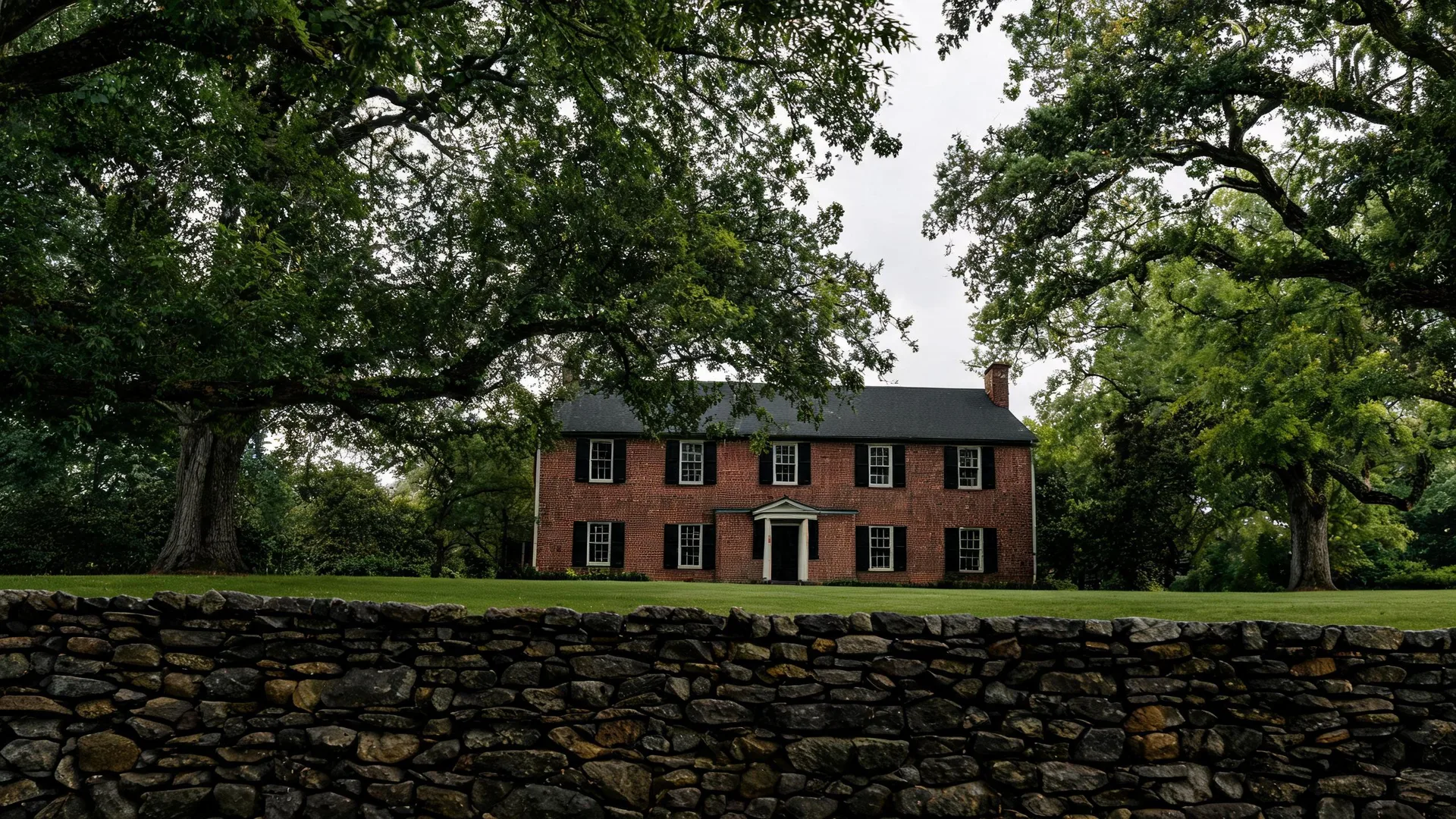





A two-story red brick house with black shutters, a dark roof and a chimney stands on a mown lawn behind a dry stone wall, framed by large spreading deciduous trees under an overcast sky.

Furnace Repair in Bangor, ME

Tell us about the job

Takes about a minute. No obligation.

RepairFurnace or heatingPenobscot County, ME
Step 1 of 2

What ZIP code is the job in?

Most furnace calls come down to a handful of parts. The igniter is one of the first to go, since it heats up and cools down every cycle and the element gets brittle over time. A dirty flame sensor will shut the burners off soon after they light, because it reads the weak signal as no flame at all and the control board plays it safe. Blower motors wear out from running constantly through the cold months, and a failing one shows up as weak airflow or a burning smell. Flame sensors and igniters are usually a straightforward swap. A cracked heat exchanger or a bad control board point to bigger decisions, and a tech can tell you which one you're dealing with once they've opened the cabinet.

9 months
September through May, your furnace is on duty
10°F
the average winter night it heats against
134 winter storms
in ten years, the nights a failure hurts most
Isometric line illustration of a cutaway house showing interior rooms with furniture and a furnace with ducting and a flue pipe extending through the roof.
Your furnace works hardest from November through March.

NOAA nClimDiv, 1991–2020 normals

Heating with oil in Maine runs $23.73 per million Btu.

A furnace burning fuel poorly wastes it at that price every day it sits unfixed.

Nine months of heat a year, nights near 10°F, 134 storms in a decade. This furnace doesn't get an easy season.

Heat runs September through May
Winter nights average 10°F
134 winter storms from 2015 to 2024
A furnace burning oil badly isn't a small problem hereGet the burner checked before another cold week passes

Furnace here starts up in September and runs through May. That first month is when a weak part finally gets tested. A system that sat quiet since spring gets asked to run for hours at a stretch, and anything marginal, a cracked igniter, a sensor coated in dust, shows itself fast. Getting a furnace looked at in August, before the cold sets in, catches that weak part on your schedule instead of during the first cold snap. Nine months of heat is a long season to be without it.

Stop paying for a struggling machine

Power costs more here, so a machine that's running badly costs you every month. Get it fixed soon.

Find a contractor
A gray gas furnace with attached ductwork and piping installed in an unfinished concrete basement.

The parts wear before the cabinet does

That workload shows up as wear on specific parts, not the system as a whole. A furnace running nine months straight cycles its igniter thousands of times, and igniters fail from that cycling, not from age on a shelf. Ask whoever comes out to check the flame sensor and igniter condition even if the complaint is something else, like a cold room or a noisy startup. At 10°F outside, a furnace that short-cycles or struggles to keep up is already behind before the next storm knocks the power out.

Check the simple things first

Make sure the thermostat is set to heat and the setting is above room temperature, since a bumped switch or dead thermostat battery looks exactly like a dead furnace. Check that the breaker hasn't tripped. Look at the filter. A filter packed with dust chokes airflow, and some furnaces will shut themselves down rather than run with no air moving across the heat exchanger.
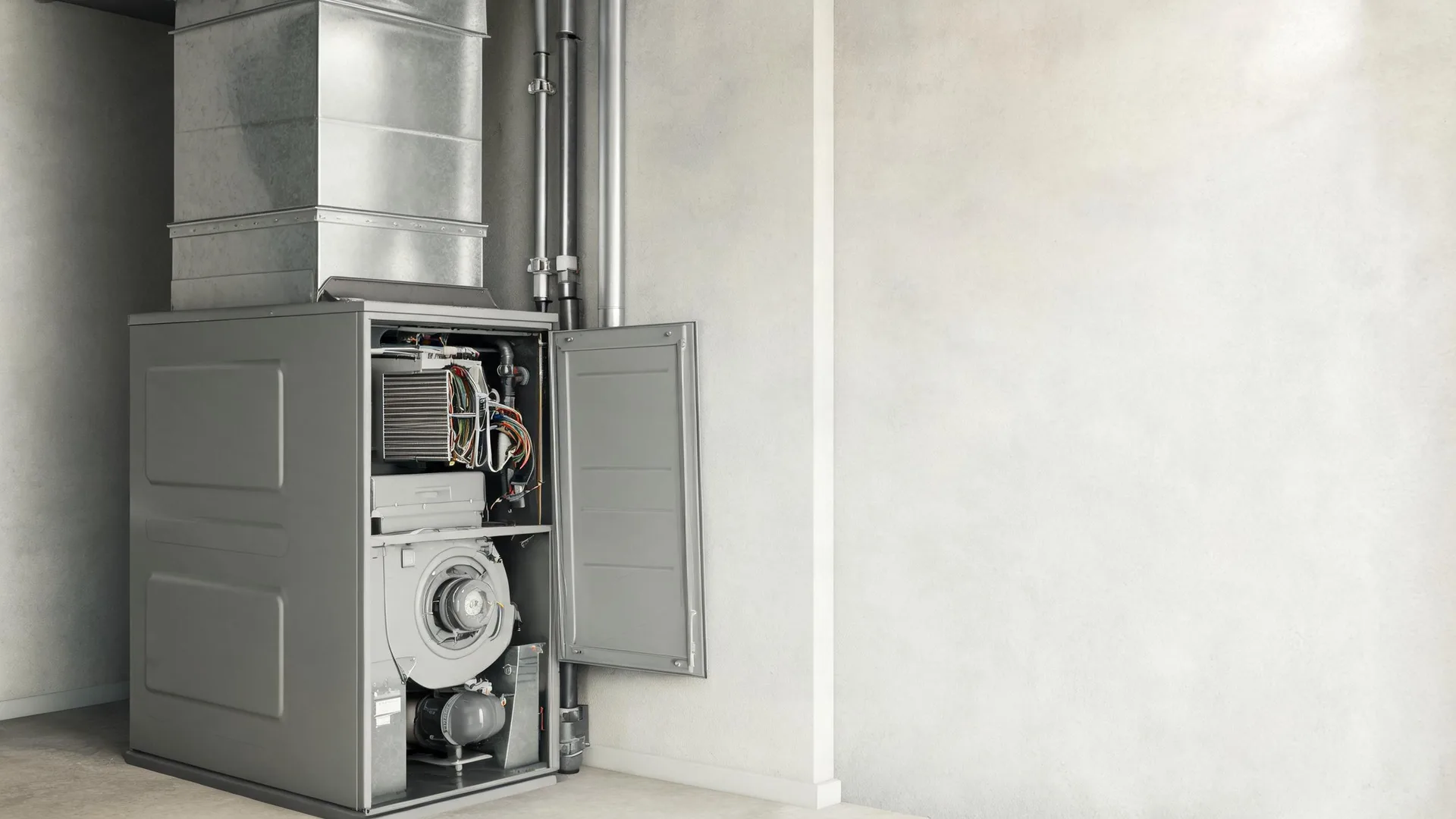
Know what you're looking at when they arrive

If the furnace tries to start and shuts off again and again, that's short cycling, and it points to a flame sensor or a limit switch rather than something major. A burning smell on startup is usually just dust burning off the heat exchanger after sitting unused, and it should clear in a few minutes. A smell that lingers, or any smell of gas, means turn it off and get someone out the same day.

Short cycling is the one most people notice first. The furnace fires, runs for a short burst, then quits, and does it again without ever warming the house. That points to a flame sensor that's lost its signal or a limit switch tripping because something's restricting airflow. Weak or lukewarm air from the vents is another, and it usually means the blower motor is struggling or the filter is choked. A furnace that clicks like it wants to start but won't light is often the igniter, since the element weakens with every cycle until it stops glowing hot enough. Any of these are worth a call before they turn into a furnace that won't run at all.

A diagnostic call starts with questions, not tools. The tech wants to know what the furnace is doing, when it started, and whether it happens every cycle or only sometimes. That narrows things down before the panel ever comes off. They'll check the thermostat and the power first, since those are quick to rule out. With the cabinet open, they watch the start sequence. Does the igniter glow or spark. Does the gas catch. Does it stay lit or drop out. A multimeter reads the flame sensor's signal and the igniter's resistance, because both can look fine and still be on their way out. If the burners light but the air coming out is weak or cool, the next place to look is the filter and the blower. Once they find the failing part, they'll say what it is and what fixing it involves, and whether it points to something bigger than that one part.