
Boiler Repair in Maine
Homes in Maine need heat for more months of the year than in 35 of the other 49 states.
Tell us about the job
Takes about a minute. No obligation.
- 13°Fwinter overnight low where people live
- 9 monthsof heat, September through May
- $18.17 per million Btuwhat homes paid for natural gas in 2024 (Btu means British thermal units, a measure of heat)
- 1,491winter storms from 2015 to 2024
Nine months of heat wears boilers down Nights near 13°F push them hardest
- Winter lows 15°F in southern counties, 11°F in northern ones
- Winter nights average 13°F where people live
- Heat runs September through May
- 1,491 winter storms from 2015 to 2024
- Climate zones 6A and 7 across the state
- 54% of homes lost power a day or more in 2024


Maine homes are older, not different
Half the homes in Maine were built in 1977 or later, half before. Most houses here are detached single-family homes, the kind that usually has its own boiler rather than sharing one. An old house doesn't mean an old boiler. If yours came with the house, it's worth finding out how old it actually is. Nothing about Maine housing stock makes boilers fail in some unusual way. A boiler here breaks down for the same reasons a boiler breaks down anywhere. A failed igniter. A clogged line. A pump giving out. The usual fix is still the most likely one.

A boiler that's short-cycling or losing pressure runs longer trying to make up for it, and that means burning more fuel to put out the same heat. Oil ran $23.73 per million Btu in Maine in 2024, well above what a lot of other states pay for the same heat. A boiler that's struggling pulls more of that expensive fuel every week it goes unfixed.
If the boiler's making noise, short-cycling, or not holding pressure, that's worth a call now rather than waiting. Fuel here costs more than most places pay, so a small problem left alone costs you something every day it runs that way. Getting it looked at sooner costs less than letting it burn oil it doesn't need to.
The first weeks of the season find what's already weak
Heat starts in September here and keeps going through May. That first cold stretch in September is when a boiler shows you what didn't get fixed last spring. A part that was already marginal, a pump on its way out, an igniter that's been slow to catch, carries the load into a new season and gives out. Get it looked at in August, before it's running every day, and a weak part gets found on a bench instead of in the middle of a cold week.


1 month of cooling, in July
9 months of heat, September through May

Aroostook County sees the coldest nights in the state, averaging 4°F across December, January and February, and homes there need about 33% more heat over a year than homes in York County, where the heating need is lowest in Maine. That gap matters for a boiler. One running in Aroostook is working a harder job every winter than one in York County, and parts wear differently under that load.
Across Maine's northern counties, winter nights average 11°F against 15°F across the south. That's not a huge spread, but it's enough that a boiler running near the top of its output night after night in the north has less room to spare than one in the south. Homes in the northern counties need about 13% more heat over a year than homes in the south to show for it.
Knox County has the mildest winter nights in the state, averaging 16°F. A boiler there still has to run, with heat needed here from September through May, but it isn't working against the kind of cold that Aroostook County sees every winter.
Winter storms, heavy snow, ice and blizzards, hit Maine 1,491 times between 2015 and 2024. That's statewide, not particular to one county, and it means a boiler anywhere in Maine may have to keep running through conditions that knock out power or make a repair visit harder to schedule. Where you are in the state changes how hard the boiler works night to night. It doesn't change what you do if it quits on you during a storm.
What does a boiler in Maine face?
How cold do winter nights get?
13°Faverage overnight low where people live
North Dakota4°F
Hawaii65°F
How many months does the heat run?
9 monthsof heating a year
Hawaii0 months
Alaska12 months
What does natural gas cost?
$18.17per million Btu, what homes paid in 2024
Montana$7.77
Hawaii$53.25
How often do storms hit?
218severe weather events per county from 2015 to 2024
Alaska5
Wyoming1,057
How many homes lost power for a day or more?
54%of homes in 2024
Arizona7%
Maine54%
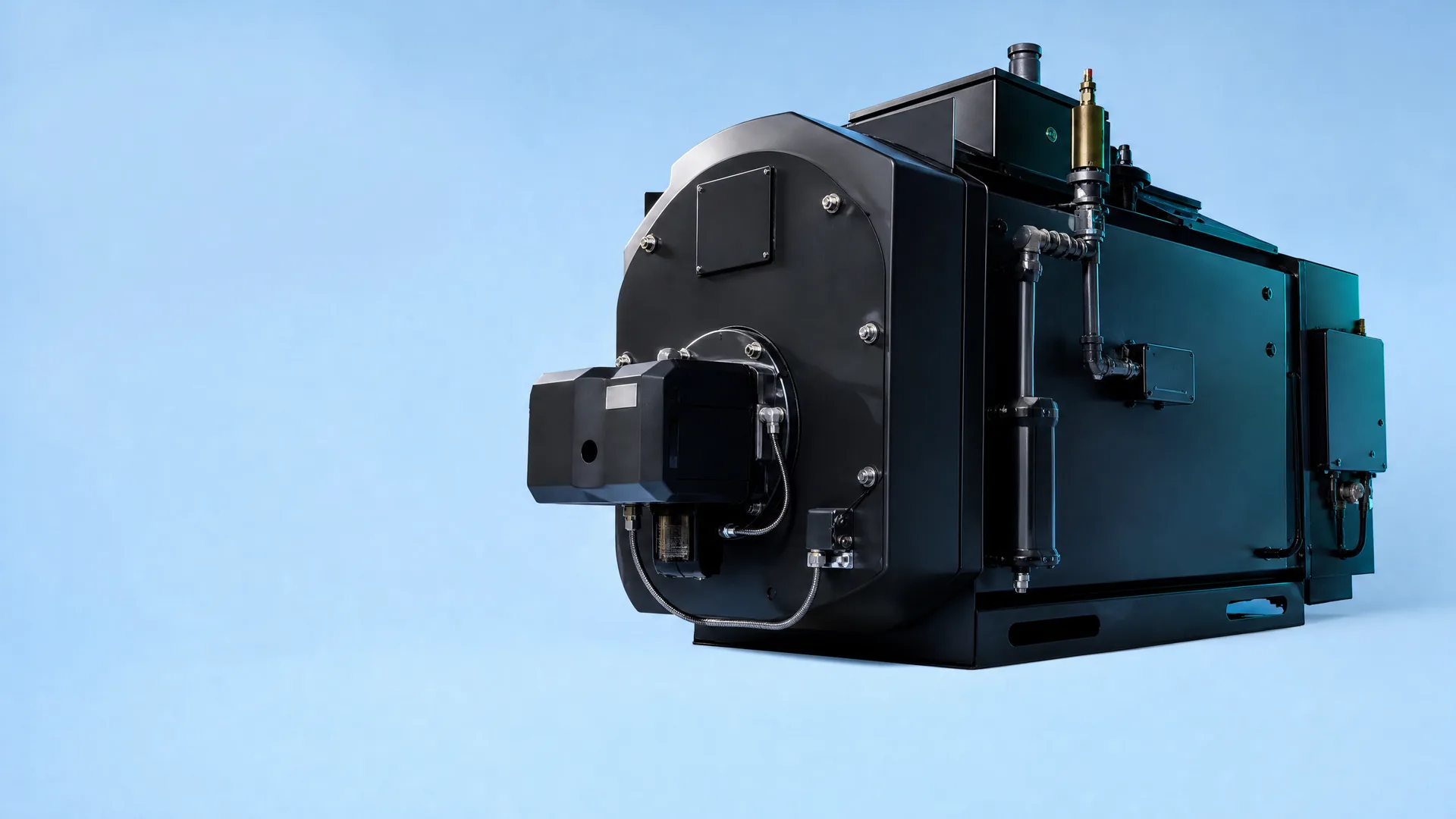
A boiler built for occasional use doesn't get an easy season here
A boiler here spends most of its life running, not sitting idle. Nine months of heat means long stretches where it fires repeatedly through the night and doesn't get much of a break between cycles. A boiler that's sized and running right gets through that the same way every year. One with a failing igniter, a clogged line or a pump on its way out shows it here first, in the long overnight runs rather than a mild afternoon. Short-cycling or a slow pressure drop that might go unnoticed in a milder place turns into a boiler working against itself for months at a time.
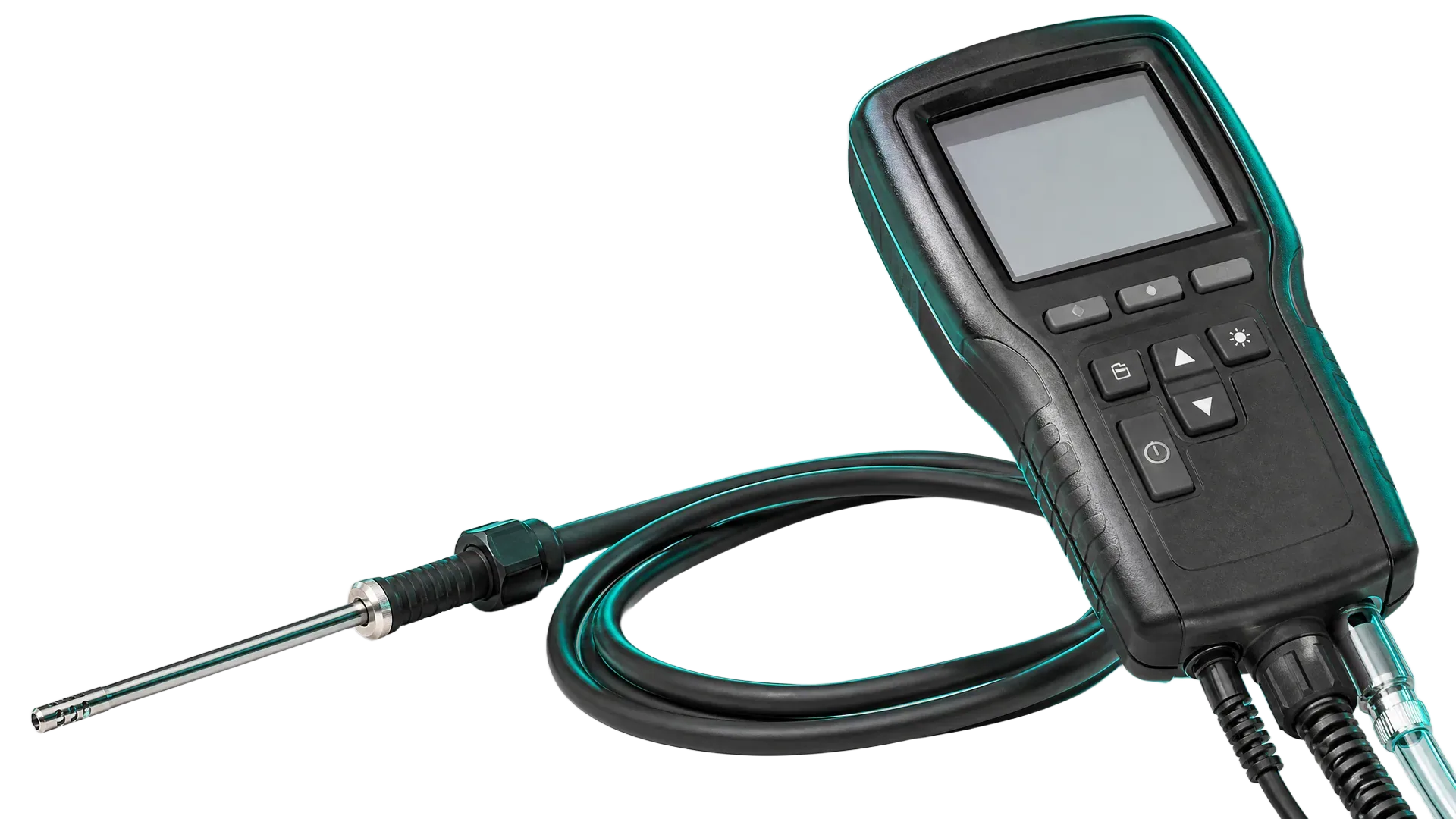
Is it the boiler, or something bolted to it
Age alone doesn't tell you whether a boiler is worth fixing. What matters is whether the problem is a part bolted to it or the vessel itself. A pump, an igniter, a zone valve, a low water cutoff. These fail on their own all the time, and swapping one out is routine work that brings the boiler back to normal. A cracked heat exchanger or a leak inside the cast iron sections is a different matter. That's the boiler failing, not something attached to it, and it usually means the unit is done rather than fixed. Rust colored water, a system that won't hold pressure no matter how many times it's bled and refilled, or soot around the base all point toward the vessel rather than a part. A tech who's opened the boiler up and seen where the fault actually sits can tell you which one you're dealing with. Anyone telling you it's one or the other without looking inside is just guessing.
What to check before the call
A few checks take no tools and tell you something real before anyone comes out. Look at the pressure gauge on the front of the boiler. The needle should sit inside the marked band, not below it. Low pressure is often just water that needs topping up through the filling loop, and a lot of boilers will show an error code for this before they shut themselves down. Check that the thermostat is actually calling for heat, and swap the batteries if it takes them. Look at the display for a fault code, and if the manual's still around, it will tell you what that code means. Check outside that the air intake and exhaust vent aren't blocked, since a blocked vent shuts a boiler down on purpose rather than let it run unsafe. If you can see the burner flame, it should be blue all the way through. A yellow or orange flame is something to mention to whoever comes out, not something to fix yourself. Leave the cover on and stay away from the gas valve and the wiring. If you've topped up the pressure and reset it once and it still won't hold or won't light, stop checking and get someone out.
Nine more months of heat are coming, and whatever's wrong with your boiler now won't fix itself.
Tell us about the job
Takes about a minute. No obligation.
Fill out the form once and a licensed Maine contractor gets in touch about your boiler.