





White colonial houses with lit windows photographed at dusk along a tree-lined residential street.

Boiler Repair in Farmington, ME

Tell us about the job

Takes about a minute. No obligation.

RepairBoilerFranklin County, ME
Step 1 of 2

What ZIP code is the job in?

Boilers in Farmington run from September through June most years, close to ten months of the year. Overnight lows average 8°F across December, January and February, and the boiler has to keep up with that kind of cold for weeks at a stretch. That kind of run wears on a system. A cracked heat exchanger, a failing circulator pump, a pressure problem, these tend to show up after seasons of steady, hard use rather than out of nowhere. If your boiler is acting up, it's worth finding out exactly what's wearing down before it gets fixed.

Half the homes in Franklin County were built in 1978 or earlier.

A boiler put in around then has likely been repaired before, and whatever's wrong now probably has a name.

Oil heat costs more in Maine, so a boiler running badly here costs you all winter

Heat runs September through June
Winter nights average 8°F
Climate zone 6A
Ten months of heat start in SeptemberBoilers in Franklin County run September through June, and August is the last month to catch trouble early.

Winter storms, heavy snow, ice and blizzards, hit Franklin County 97 times between 2015 and 2024, more than any other kind of severe weather here. That kind of weight and cold stress anything mounted outside, including vent pipes and combustion air intakes on newer boilers. Damaging wind has knocked branches into vent hoods and shifted pipes that were draining fine before. None of that means your boiler took damage. It means that if it's running rough after a storm, the timing is worth mentioning to whoever comes to look at it.

Find out what's actually wearing out before you fix it

A boiler that's been running since September, through nights near 8 below, doesn't start acting up for no reason. Get the actual cause diagnosed now, so the fix holds for the rest of the winter.

Find a contractor
A man in a cap, navy T-shirt and brown pants carries a waxed canvas tool bag up the steps toward a blue front door of a shingled house, beside a potted shrub.

Most failures start with water, not fire

A boiler loses a little pressure over time as air works its way out through vents and minor seeps show up at valves and fittings. Left alone, low pressure lets the system cycle wrong or shut down on a safety switch. The fix is usually simple, but the cause is worth finding, because topping off pressure without finding the leak just buys time.
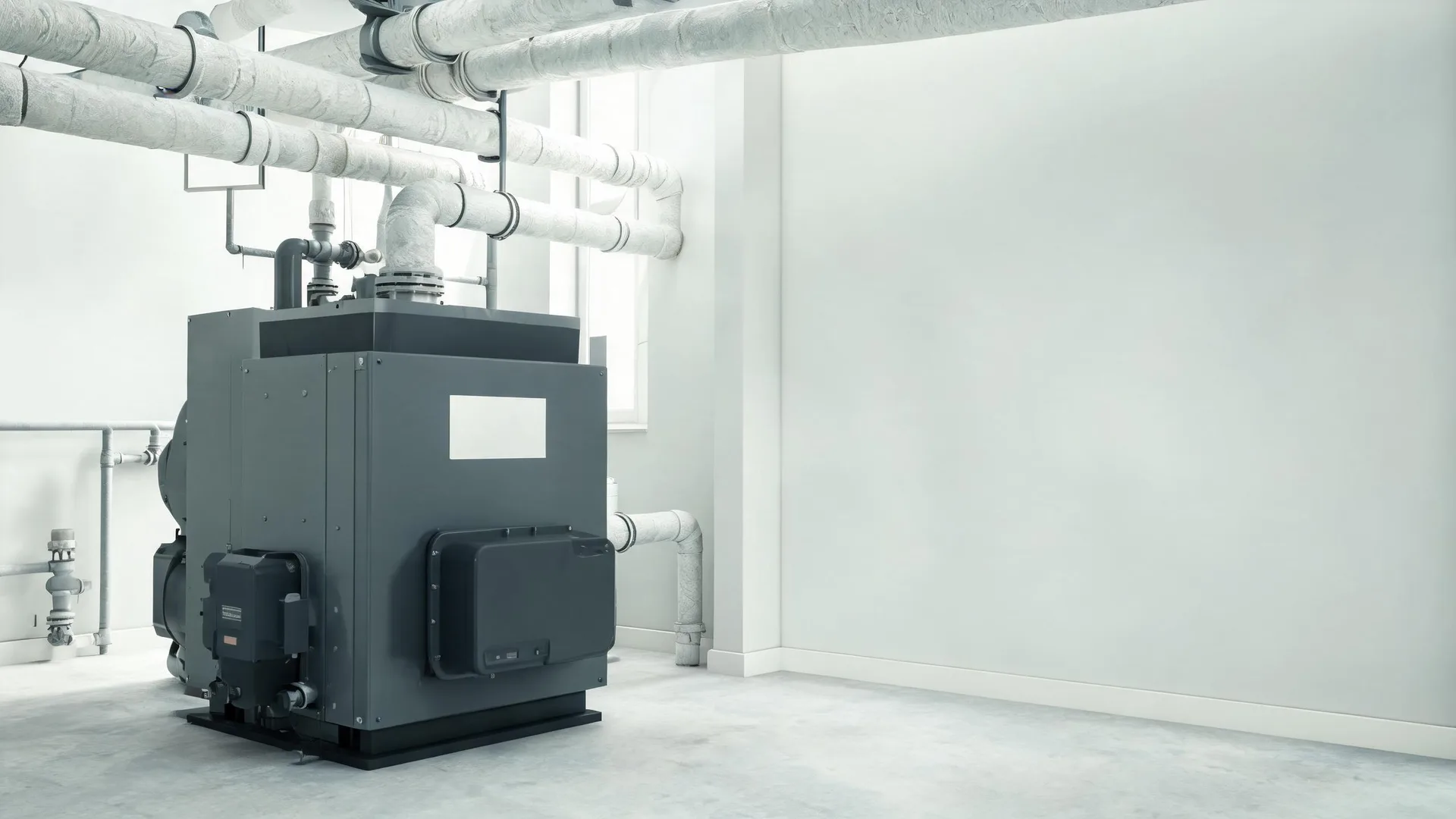
The circulator pump and the ignition system wear on different schedules

A circulator pump pushes hot water through the system constantly whenever the boiler calls for heat, and its motor or bearings can wear out from that steady use. The ignition system, whether it's a pilot, an electrode, or a hot surface igniter, only fires in short bursts, so it tends to fail from dirt or corrosion rather than wear. A pump going bad sounds like grinding or humming with no heat reaching the rooms. Bad ignition means the boiler tries to start and gives up.

A boiler that's limping along doesn't fix itself by staying on. A cracked heat exchanger gets worse with every cycle of heating up and cooling down, until it leaks. A circulator pump that's starting to grind will run that way right up until it seizes, usually on the coldest night it has to work hardest. Low pressure left alone lets the system draw in air, and that air starts corroding pipes and fittings from the inside, slow and out of sight. Soot building up on a dirty burner doesn't clean itself off either. It keeps building until the boiler shuts down on a safety switch or stops firing altogether. Either way, the problem is smaller now than it will be in a month of running like this.

A diagnostic visit starts before any panel comes off. A tech checks the pressure gauge, listens to the boiler run through a full cycle, and watches how it responds when it calls for heat and when it shuts off. Inside, that means checking the pressure relief valve, looking at the heat exchanger for signs of leaking, and testing the circulator pump while it's running rather than just looking at it sitting still. The ignition system gets tested under actual operation, not just a visual check. Corrosion and dirt often only show up as a failure to light rather than anything visible to the eye. Water in the system gets checked too, since cloudy or discolored water usually means something inside is corroding. By the end, a tech should be able to say which part is failing, why, and whether it's a repair or a sign the boiler is nearing the end of its working life.