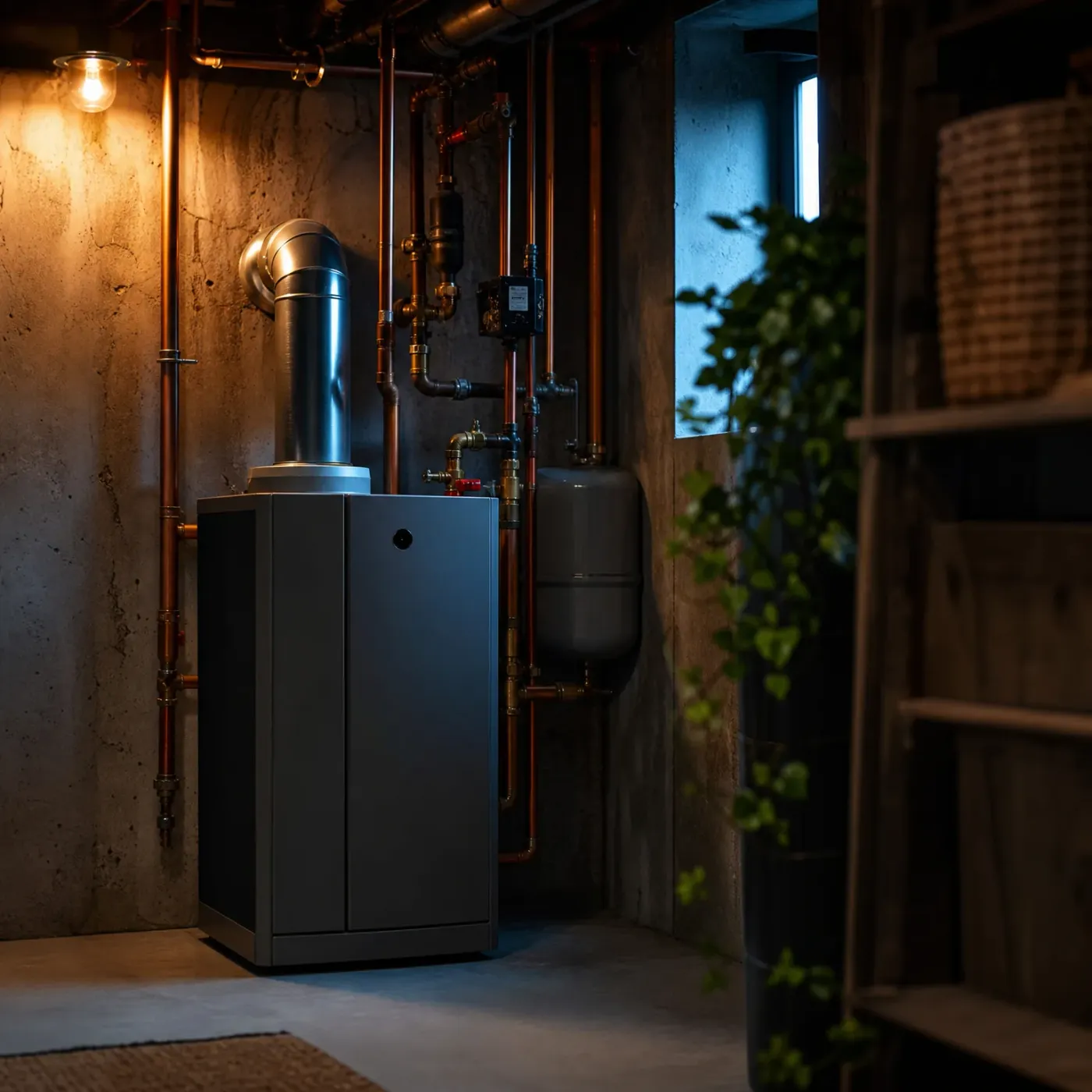
A pro who works on boilers
Boiler carbon monoxide signs in Maine
Most boilers here run on oil, and a boiler that's not venting right can put carbon monoxide into your house without any smell or smoke to warn you. Soot near the flue, a yellow flame instead of blue, moisture on windows nearby, headaches that ease when you leave the house. This page walks through what to look for and what it means. Send in the form below and a contractor who works on boilers in Maine will reach out, and you can stop chasing this down yourself.
Match me with a proA boiler that is not burning fuel cleanly can fill your home with carbon monoxide while giving almost no warning. Watch for soot stains around the boiler or the flue pipe, a flame that burns yellow or orange instead of a steady blue, and rust or streaks of water on the vent connections. Inside the house, look for extra moisture fogging up windows near the boiler room, a smell like something burning or metallic, and a pilot light that keeps going out. The people in your home may get headaches, feel dizzy or unusually tired, or feel sick in a way that gets better once they leave the house and comes back when they return. Since most homes in Maine heat with oil, this matters most in the months the boiler is running hardest. Any one of these signs is reason to shut the boiler down and get it looked at before running it again.
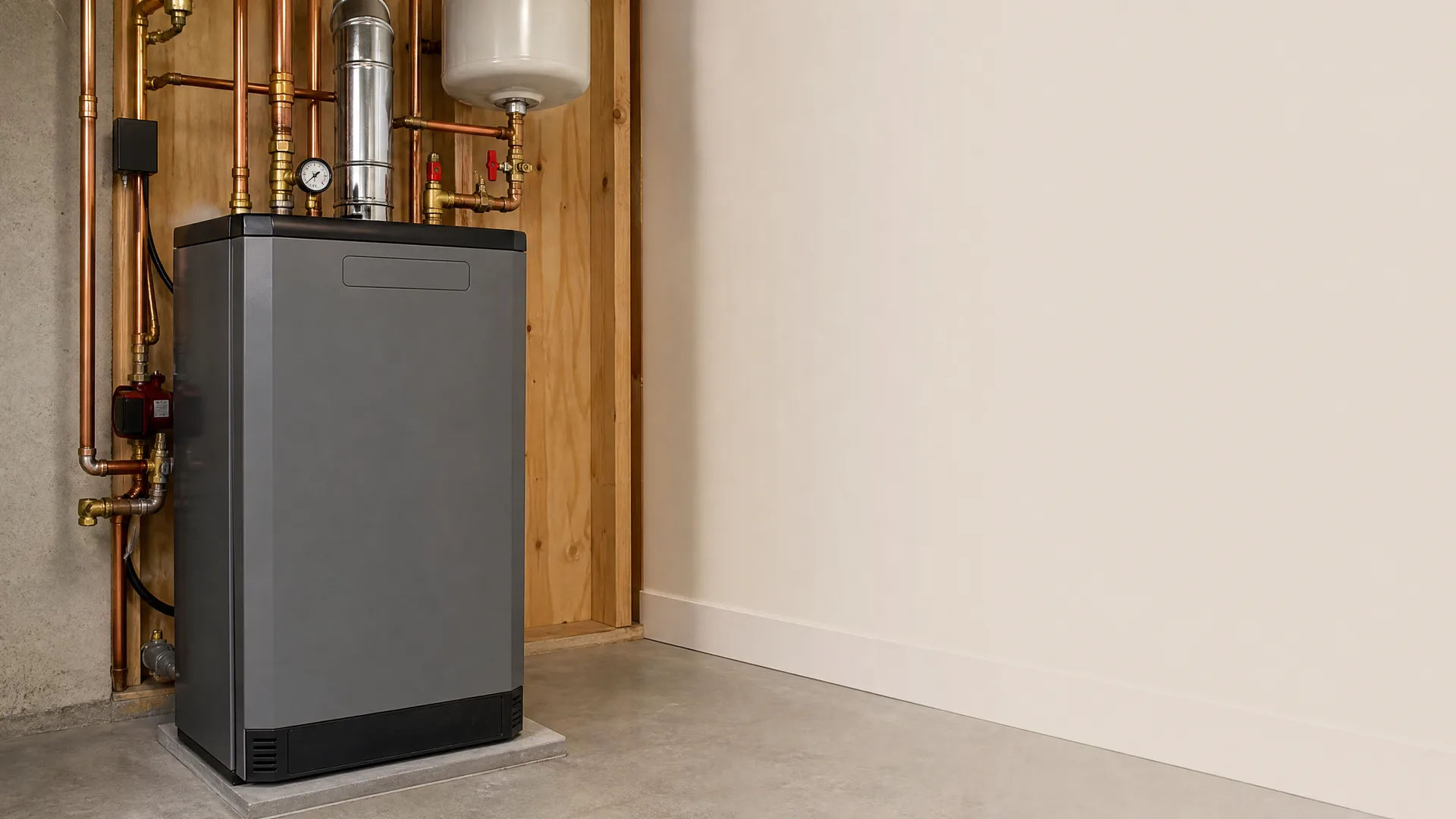
Why oil boilers need to vent right
An oil boiler burns fuel and sends the exhaust out through a flue pipe. When that pipe is blocked, rusted through, or pitched wrong, the exhaust has nowhere to go but back into the room. Carbon monoxide is in that exhaust whether the boiler is old or new. A boiler that's burning cleanly and venting properly shouldn't put any meaningful amount into your house. One that isn't can, and you won't smell it happening.

A detector buys you the warning your nose can't
Carbon monoxide has no smell, no color, and doesn't make your eyes water the way smoke does. The only reliable way to catch it before you feel sick is a CO detector near the boiler and on every level where people sleep. Maine building code requires them in homes with fuel-burning appliances like an oil boiler. Test the batteries twice a year, and if one sounds off, get everyone outside and into fresh air before you try to figure out why.

What this looks like at home
You're probably in the basement less than anyone else in the house, which means a boiler problem can sit there for days before anyone notices the smell of exhaust or the soot on the wall behind it. If the people you look after are upstairs or in rooms far from the mechanical room, they could feel the effects, the headache, the tired, foggy feeling, before you ever see a warning sign on the equipment itself. That lag is what makes this different from a smell of gas you'd catch right away.
A carbon monoxide alarm near the boiler and on each level of the house is the one piece of equipment that closes that gap. If yours hasn't been tested in a while, or you don't have one near where the boiler sits, that's worth fixing before the heat goes on for the season. Once you send in a request, a contractor who works on oil boilers in your area will reach out to you directly, and from there it's their job to track down what's wrong, not yours.

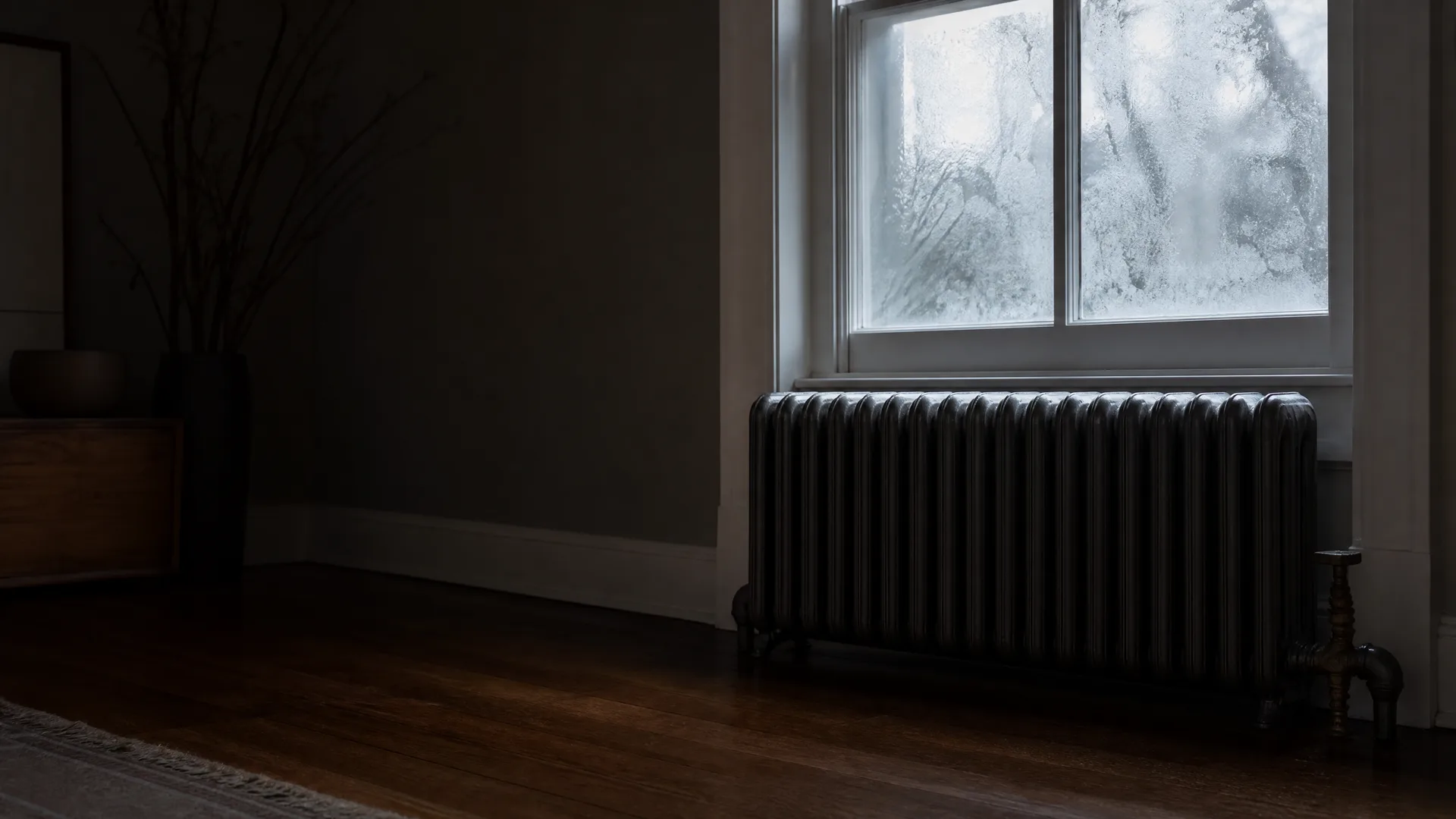
It's just past seven on a January morning and the radiator under the window hasn't done its job. Ice has formed on the inside of the glass, a thin fan of it across the lower pane. You crossed the living room in socks and felt the cold coming off the floor before you saw the window. The boiler ran all night. It should have kept this room warm enough that the glass stayed clear. Instead the air near the window is damp and cold, and you're standing there in a bathrobe, looking at the ice, wondering if the trouble is the radiator, the boiler, or something in between that you can't see from here.
Get your boiler to the right pro
A boiler that's venting wrong doesn't fix itself, and in a Maine January you can't just shut it off and wait. You need someone who can look at the flue, the burn, and the venting today, not someone you have to track down first. That's the part that eats the most time when carbon monoxide is a possibility, calling around to find an oil technician who's free and knows boilers, not just furnaces. Hand that search off and it's done. You answer a few questions about your boiler and your house, and a contractor who works on oil boilers in your area gets your request and reaches out to you. You're not the one chasing anymore. With power costs what they are here, a boiler running clean matters for more than just safety, and getting someone qualified looking at it sooner means fewer mornings spent guessing whether that smell in the basement is nothing or not.
A carbon monoxide alarm that keeps sounding
If the alarm goes off once and quiets down when you open a window, it's worth a call, but it's not the same as an alarm that keeps tripping every few hours. A boiler that's venting badly doesn't always put out a steady level of carbon monoxide. It can run clean for a stretch, then spike when the burner cycles or the wind outside changes how the flue draws. If you've reset the alarm more than once in a day, or it goes off again after you've aired the house out, that's the boiler, not a stale sensor. Don't wait for it to settle on its own. Open windows, get everyone outside, and have the boiler looked at before it runs again.
A problem that only shows up when it's cold
Some venting problems only show themselves once the boiler is working hard, which in Maine means the coldest nights of the winter. A flue that drafts fine on a mild October evening can back up when the boiler is firing for hours straight in January. If headaches or a stuffy, stale feeling in the house seem worse during a cold snap and ease off once temperatures climb back up, that pattern points at the boiler and how it's venting under load, not at a cold or the dry winter air. Pay attention to whether the symptoms track with how hard the boiler is running. If they do, that's not something to watch and wait on.


Winter nights average 13°F statewide
On a night that cold, your boiler is running close to nonstop to keep the house even a little above that. A burner working that hard needs a clean burn and a clear flue more than ever, because that's when a venting problem puts the most carbon monoxide into the house.
NOAA nClimDiv 1991-2020 county normals weighted by homes
What to Do With What You See
- A clean-burning boiler shows a steady blue flame and no soot around the burner door or flue pipe.
- Rust streaks on the flue, moisture fogging nearby windows, or a carbon monoxide alarm that keeps tripping are signs the venting needs a look now.
- Headaches or nausea that ease once you leave the house point at the air inside it, not a stomach bug going around.
- A boiler that's not venting right won't fix itself, and running it through a Maine winter while it fails is not a safe wait.
- Once you send the form, the search for someone qualified is off your plate, not something you carry on top of everything else.
A boiler that burns clean shows a steady blue flame and leaves no soot behind. Anything else, rust on the flue, fog on the windows nearby, an alarm that won't stay quiet, is the boiler telling you the exhaust isn't going where it should. Headaches that fade the minute you step outside aren't a coincidence. That's carbon monoxide, and the only fix is someone who can open up the burner and the flue and find out why the venting is failing.
None of this gets better by waiting it out. Oil boilers here run for months straight once the cold sets in, and a venting problem doesn't take a break because the burner's working hard. If anything, a boiler pushed to keep a Maine house warm through January is the one most likely to show these signs, because that's when it's burning the most fuel and venting the most exhaust. Letting it run while you watch for the symptoms to pass is not the safe choice.
What changes once you send the form is simple. You stop being the one who has to find a contractor, check if they're licensed, and hope they call back. That search is now someone else's job, not yours. You still have a cold house and a boiler that needs a look, but you're not carrying the weight of finding help on top of everything else. That's the part that was never supposed to be yours to manage alone.
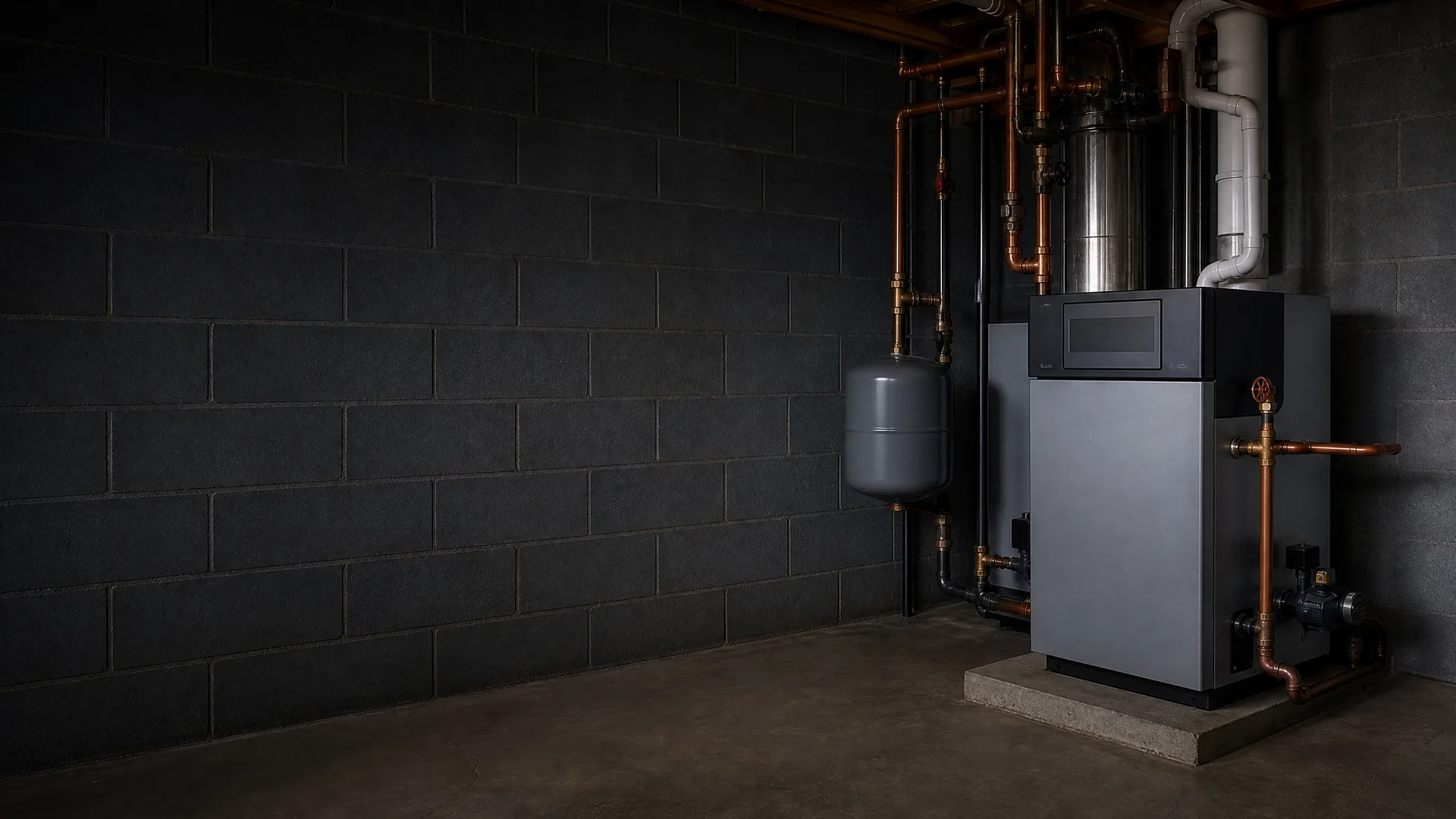
The right pro for this job
Once you send the form, finding a pro is off your list.