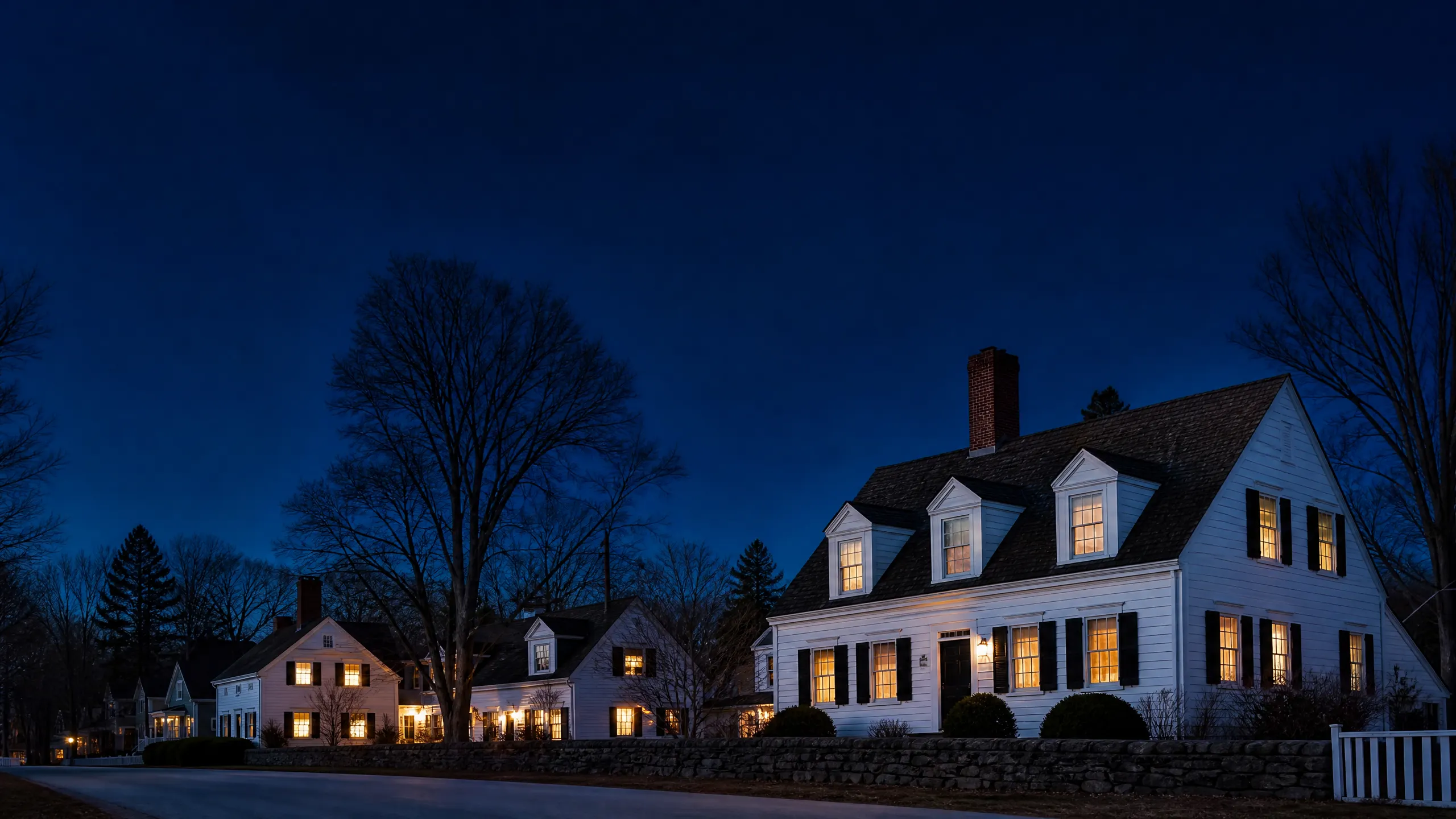
A row of illuminated white colonial houses photographed at twilight along a tree-lined road with a stone wall in the foreground.

Furnace Repair in Augusta, ME

Tell us about the job

Takes about a minute. No obligation.

RepairFurnace or heatingKennebec County, ME
Step 1 of 2

What ZIP code is the job in?

The tech checks before touching anything

A technician starts by asking what the furnace is doing and when it started. Then comes a check of the thermostat settings, the air filter, the vents, and the switch on the unit itself before any panel comes off. Most calls come down to ignition, airflow, or a safety control that tripped for a reason, and ruling out the simple stuff first points the rest of the visit in the right direction.


Then comes the part that explains the symptom

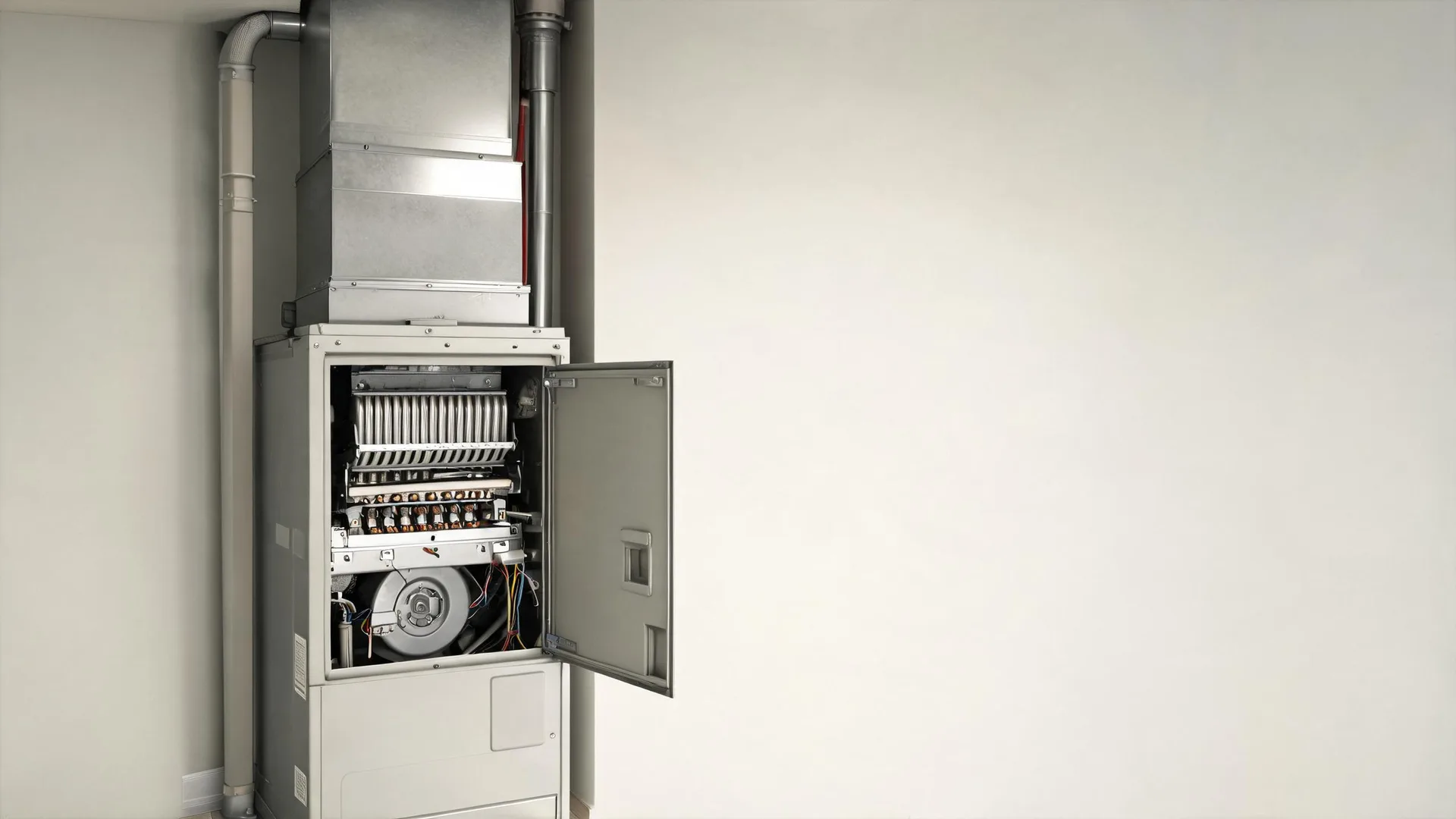
With the cover off, the tech tests the igniter or pilot, the flame sensor, the gas valve, and the blower motor with a meter, checking each against what it should read. A cracked igniter, a dirty flame sensor, and a failed limit switch all cause different symptoms, so the one that matches what the furnace is actually doing is the one that gets replaced.

9 months
September through May, your furnace is on duty
13°F
the average winter night it heats against
40 winter storms
in ten years, the nights a failure hurts most
Isometric line illustration of a cutaway building interior showing a furnace unit with a flue pipe and ductwork running along the ceiling, plus adjacent rooms with simplified furniture.
Your furnace works hardest from November through March.

NOAA nClimDiv, 1991–2020 normals

Augusta furnaces start running in September after sitting idle since spring.

A weak igniter or a clogged filter that made it through last May usually fails in the first cold snap, not months into the season.

An old house here doesn't mean an old furnace

Half the homes here were built by 1975
Heat runs September through May
Winter nights average 13°F

If your furnace runs on oil, Maine's price per gallon makes a struggling unit expensive to ignore. Fuel oil ran $23.73 per million Btu here in 2024, among the highest in the country. A furnace that short cycles, or runs longer than it should to hit the thermostat setting, burns through more of that oil every week it goes unfixed. The cost doesn't show up as one bad bill. It shows up as every bill until someone looks at what's actually wrong.

Nine months of heat and a hard winter take a toll

Furnaces here run nine months a year, September through May, with overnight lows averaging 13°F in January. Add the storms that roll through most winters and the unit rarely gets a break. That kind of use wears parts down faster, so when something starts acting up, a proper diagnosis is what makes the repair hold.

Find a contractor
A man in a cap, dark shirt and cargo pants, seen from behind, carries a canvas tool bag up wooden porch steps toward a blue front door.
A gray high-efficiency gas furnace installed in an unfinished basement, surrounded by gas lines, a condensate drain, and sheet-metal ductwork.

Nine months of runtime don't leave much room for a weak part

Forty winter storms in the last ten years means this furnace rarely gets a stretch of calm weather to coast through. Every cold snap and every outage is another cycle of strain on the same igniter and blower motor. When a part finally gives out, ask the tech what's behind it. A worn part replaced without knowing why it wore out just sets up the next call.

What's worth checking first

Make sure the thermostat is set to heat and the setting is above room temperature. Check that the furnace switch, the one that looks like a light switch near the unit, is on. Look at the breaker. Pull the filter and hold it up to a light. If you can't see through it, that alone can cause short cycling or a complete shutdown.

What to leave alone

Don't pull the front panel or reach inside the burner compartment. The gas valve, the igniter, and the flame sensor need a meter to test right, and a wrong guess there can mean a gas smell or a furnace that won't hold a flame at all. If the filter and thermostat check out and it's still not running, that's the point to stop and call.

A furnace that needs attention rarely stays quiet about it. Short cycling is one of the clearest signs, where the burner fires, runs briefly, then shuts off before the house warms up. That points to a flame sensor that isn't reading the flame right, or a limit switch tripping because airflow is restricted somewhere. A burner that won't light at all, or lights and then drops out, usually traces back to the igniter or the gas valve. Cold air blowing from the vents while the unit runs means the burner isn't lighting even though the blower thinks it should. A burning or electrical smell in the first minutes of a cycle is worth shutting the unit off for, since that's not something to wait out.

A repair is worth making when the rest of the furnace is sound and one part is doing the failing. An igniter, a flame sensor, a gas valve, these wear out on their own schedule and swapping one doesn't ask anything of the system around it. Replacement starts to make sense when the heat exchanger is cracked, since that's not a part that gets swapped on its own, or when the same furnace keeps coming up on service calls for different reasons each time. A unit that's needed a limit switch this year and a blower motor last year isn't unlucky. It's telling you the whole thing is tired. Age by itself isn't the deciding factor, what matters is whether the parts failing are isolated or whether they're starting to add up.