

Why your boiler runs out of hot water in Maine
Describe your boiler job, and a local pro who handles it gets in touch.
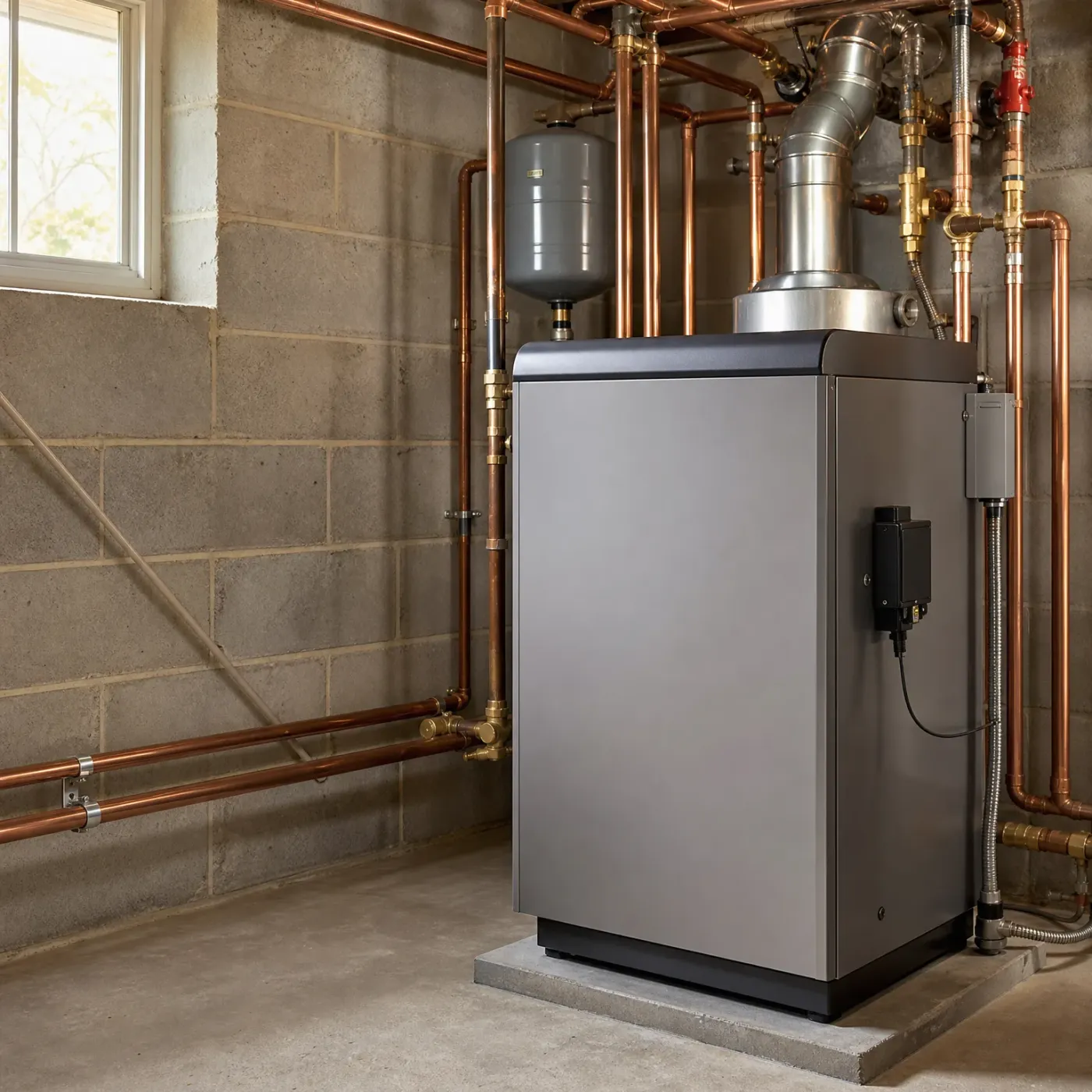
Get matchedA boiler that runs out of hot water is almost always working off a tank, called an indirect water heater, that draws its heat from the boiler itself. When the boiler can't keep up, the hot water goes first and the heat follows. A few things cause that. The aquastat that tells the boiler when to fire can be set wrong or failing. The tank's internal coil can be scaled up with mineral buildup, which slows how fast it transfers heat. Sediment sitting in the bottom of the tank does the same thing. If your boiler runs on oil, a clogged nozzle or a dirty filter can keep it from firing at full strength, so it heats water slower than it uses to. None of this means the boiler is dying. It usually means something in that heating path needs a look before another shower turns cold.
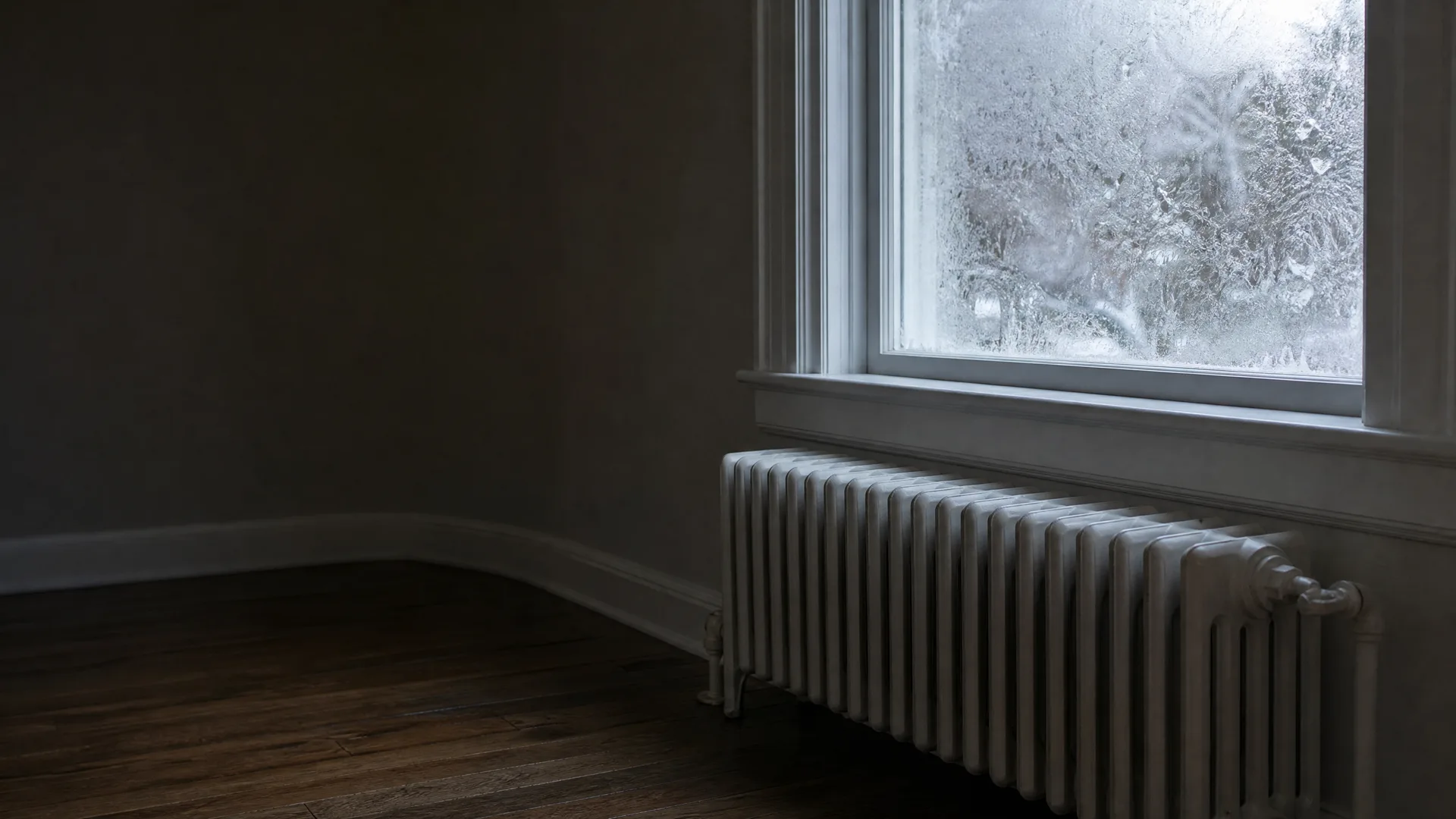
You're up before the rest of the house, and the thermometer outside read four below when you checked it. The radiator under the living room window ticks as it tries to warm up, and the glass above it has ice on the inside, a thin white film at the corners. You'd meant to run the shower before work, but the water coming out of the tap is barely warm. The boiler's running. You can hear it in the basement. It just isn't catching up. You stand there a minute with your hand on the radiator, waiting to feel it go from lukewarm to hot, and it doesn't.
Indirect Tank vs. On-Demand
Indirect tank
- The tank holds hot water ready to go, so two showers back to back usually don't run you cold.
- Recovery depends on the boiler firing and reheating the tank's coil, which takes longer when the boiler itself is undersized or aging.
- A failing aquastat or a clogged coil inside the tank can make it run out faster than it used to, even with the same size tank.
- Oil boilers feeding these tanks have to heat the house and the water both, so a cold snap can pull the water's turn further down the line.
- Sediment builds up in the tank over years and cuts how much hot water it can actually store, even though the tank size hasn't changed.
On-demand options
- A tankless unit heats water as it runs instead of storing it, so there's no tank to drain and no wait for a refill.
- It still needs enough power to heat water fast, and Maine's electric rates make an electric tankless unit costly to run hard.
- An oil-fired or boiler-fed on-demand system avoids that electric cost but depends on the same boiler staying in good repair.
- Because nothing is stored, a tankless system won't run out the way a tank does, but it can fall behind if too many fixtures draw at once.
- Switching from a tank to on-demand means changing how the boiler is piped, not just swapping a part.


A local pro for your boiler repair
Answer a few questions instead of calling shop after shop.
Say what's going on with your boiler, and a pro who works on them reaches out.
Sending the form costs nothing.
Why does my boiler run out of hot water so fast?
You notice it most on a cold morning. The first shower runs hot, the second one turns cold halfway through, and the boiler is still running when it happens. It feels like the tank should hold more than that, especially with oil prices what they are and every gallon counting. You're not wrong to expect better, but the reason it happens has more to do with the boiler than the tank.
The boiler isn't reheating the tank fast enough to keep up
An indirect tank doesn't heat water on its own. It holds a coil that the boiler runs hot water through, and the tank only stays warm as long as the boiler keeps feeding that coil. If the boiler is slow to fire, short on output, or losing efficiency, the coil cools faster than the tank can draw from it. A thermostat on the tank calls for heat, the boiler should respond right away, and if there's a delay or a weak response, you feel it as water that turns cold mid-shower. In an oil-fired system, a dirty nozzle or a worn pump can slow that response even when the boiler seems to be running fine otherwise.
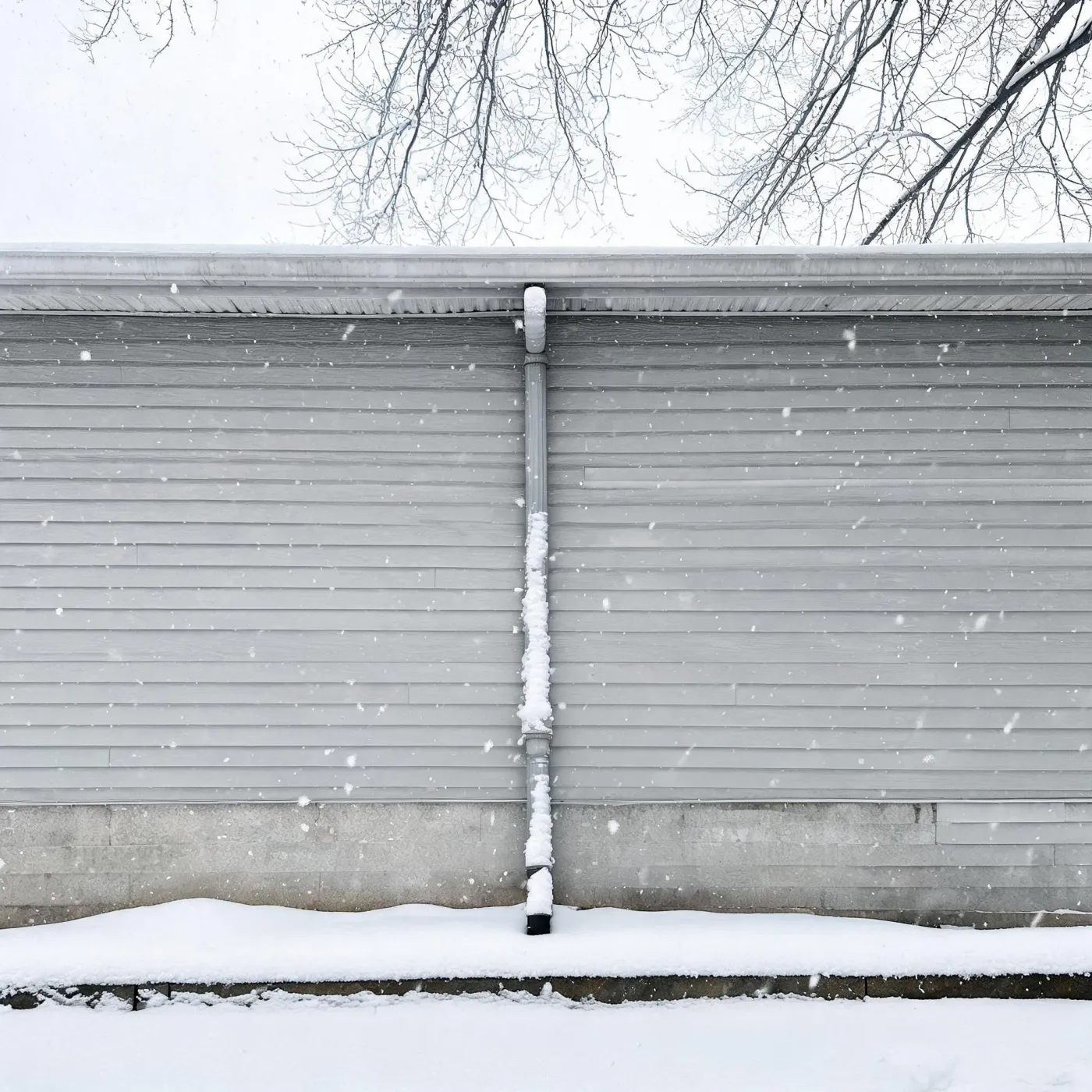
Winter nights average 13°F across Maine, according to NOAA climate data. At that temperature your boiler is firing almost constantly just to hold the house, and the indirect tank gets whatever heat is left over. That's when you notice the second shower running cold, or the dishwasher kicking the water heat down for an hour afterward. A boiler sized right keeps up even on those nights. One that's undersized, low on water, or carrying a worn coil falls behind right when you need the hot water most, and the cold snaps are when it shows.
NOAA nClimDiv 1991-2020 county normals weighted by homes

A boiler running out of hot water has a reason behind it
A boiler that can't keep a shower hot has something specific going on, a coil losing its grip, a tank sized too small, a boiler that falls behind when it's four below outside. Once you know what's happening, the fix is usually clear. What's left is finding someone who can look at your boiler and tell you which one it is.
That part is the slow part. Calling around, explaining the same thing on the phone three or four times, waiting on quotes that come in late or not at all, while the mornings stay cold. You don't have to do that piece of it. Answer a few questions about your boiler and your house, and a contractor who works on systems like yours in Maine will reach out to you directly.





Boiler Repair
Get the right pro for your boiler
Describe your boiler job once, to one pro.
