One stuck zone valve
A zone valve that won't open stops water from reaching that loop of baseboard. The rest of the house heats fine while that one zone stays cold.
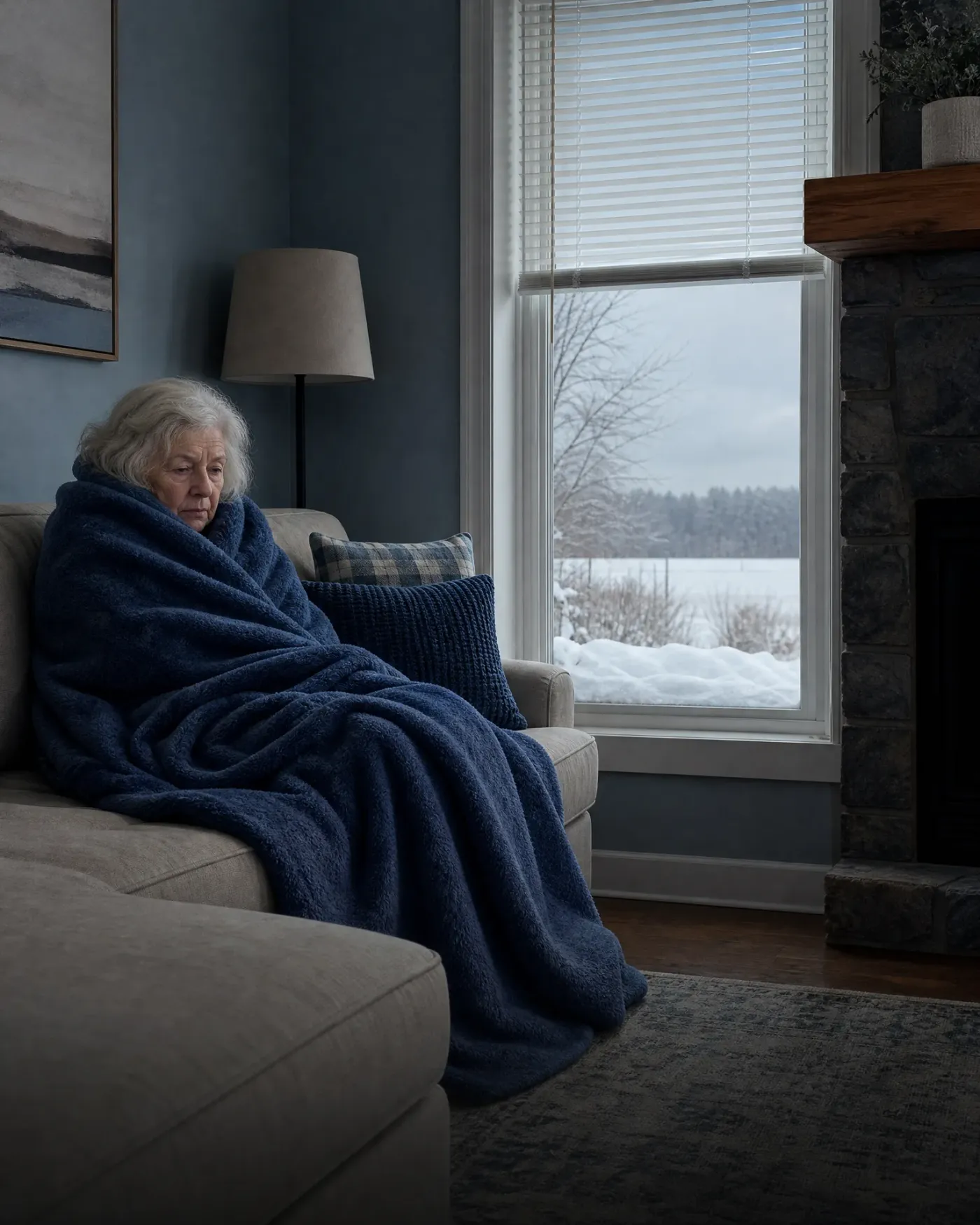
Cold's already moved in and one room, or the whole house, isn't getting warm off the baseboard. Before you call anyone, it helps to know what's actually going on in that line. With oil heat and electric rates what they are in Maine, a baseboard problem that goes unchecked either leaves you cold or costs you more than it should once you do get it fixed.
Baseboard heat runs on hot water moving through the line from your boiler. If that water can't move, or can't get hot, the baseboard stays cold no matter how long the thermostat calls for heat. Air trapped in the line is the most common culprit, and it collects at the high points, which is why one room can run cold while the rest of the house is fine. A zone valve that's stuck shut cuts off that room entirely. A circulator pump that's failed stops water movement to part or all of the system. Any of these can sit for weeks before you notice, since the thermostat still clicks on, the boiler still fires, and nothing downstream tells you otherwise until the room stays cold.




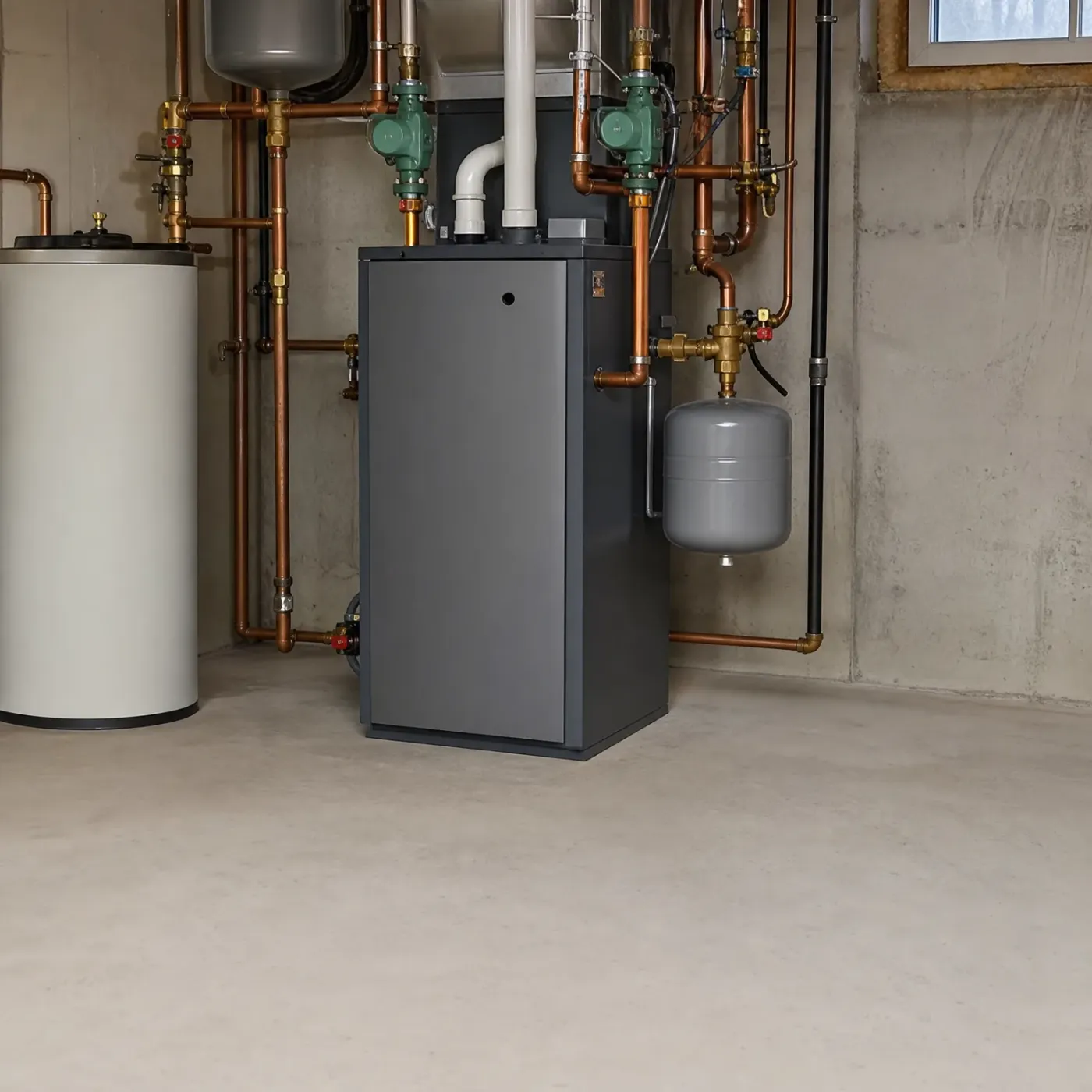
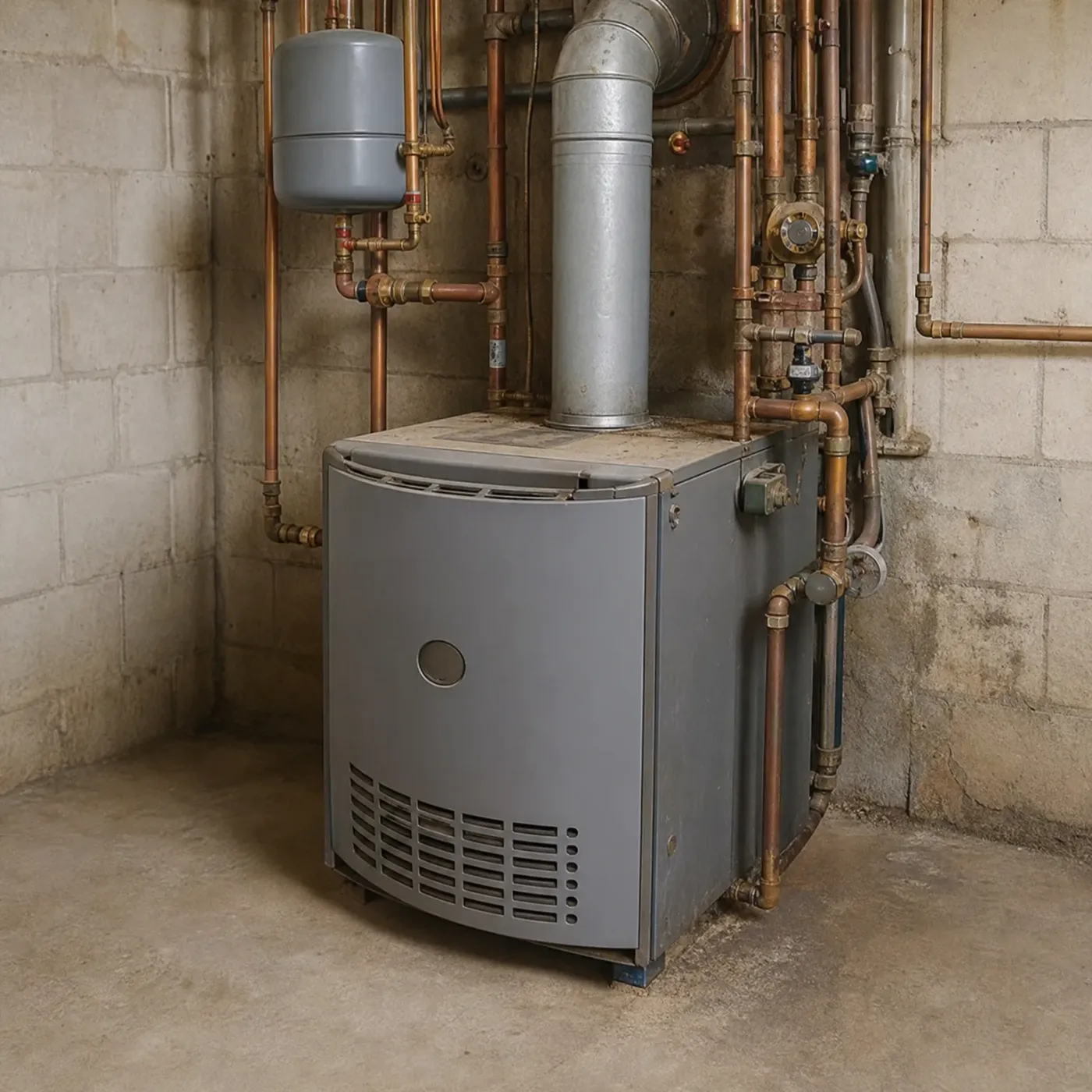
Your boiler doesn't heat the room directly. It heats water, and a circulator pump sends that water out through the pipe to whichever zone is calling for heat. Each zone runs on its own thermostat, and that thermostat opens a zone valve or starts a circulator just for that loop. That's why a back bedroom can go cold while the rest of the house is fine. The water travels through finned tubing inside the baseboard cover, and the fins are what actually warm the air as it moves across them. Two things tend to get in the way of that water reaching the fins. Air can work its way into the line and collect at a high point, which is why there's a bleeder valve on each unit. And if the piping is old iron, rust and sludge settle out inside it, and they collect first in the baseboard fins because that's the tightest part of the whole loop.


A zone valve that won't open stops water from reaching that loop of baseboard. The rest of the house heats fine while that one zone stays cold.
Air pockets in copper baseboard pipe block water flow and show up as a baseboard that's warm at one end and cold at the other.
Put your hand on the baseboard cover in that room. If it's cool top to bottom while the rest of the house is warm, that loop isn't getting water. You might hear the circulator running and feel heat in other zones, which tells you the boiler itself is fine. Some homes show a gurgle or tick in the pipe as water tries to push past an air pocket. Others just go quiet in that one room, no clicking from the zone valve when the thermostat calls. Left alone through a Maine winter, that room gets cold enough that pipes running along an outside wall are worth checking, and the thermostat for that zone keeps calling for heat it never gets, burning oil to make warmth that never reaches the baseboard.
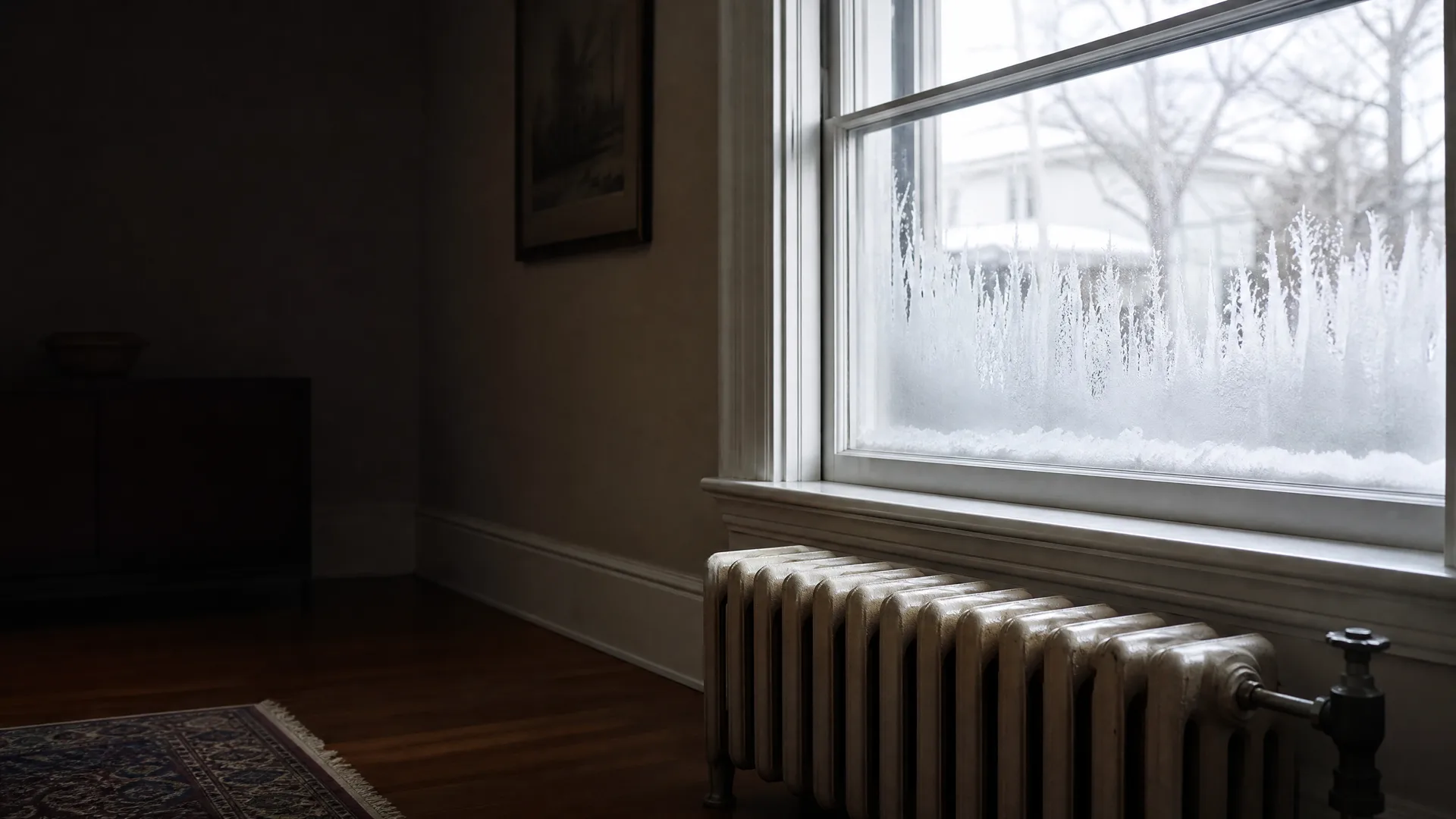
You come down before six, before the oil burner has caught up, and the living room is the coldest room in the house. Frost has crept up the inside of the window glass in a thin white layer, and the cast-iron radiator under it is cold all the way across, no give of warmth when you lay your palm flat on it. You can hear the boiler running somewhere below, the pump working, heat going somewhere else in the house. Not here. You stand there in the gray light a minute, listening to the pipes tick, before you go find your phone and start looking for someone who knows this system and can get out to look at that line.
Your request stays with one local pro.
There's no charge for the request.
Trapped air is one of the easiest problems to fix and one of the most common. Water can't fill a loop that's full of air, so a baseboard stays lukewarm or cold until someone opens the bleed valve and lets that air out. Zone valves are a different story. Some fail because the small motor that opens and closes them burns out electrically. Others fail mechanically, where the valve body itself sticks, open or shut, even though the electrical side still works fine. Either way, that zone stops getting water. The circulator pump has two parts that can wear out independently of each other, the motor and the impeller, and a pump can run and still not move water if the impeller has seized or worn down. On an oil system, the aquastat is what tells the burner to fire again once water temperature drops past a set point, so a bad aquastat can leave the burner idle when it should be running, or firing when it doesn't need to. None of this touches the fins inside the baseboard itself, where dust and pet hair build up over time and block airflow even when the water running through is hot. And if you hear ticking in the pipes as the system heats up, that's just copper expanding and contracting, normal movement, not a sign anything's wrong.
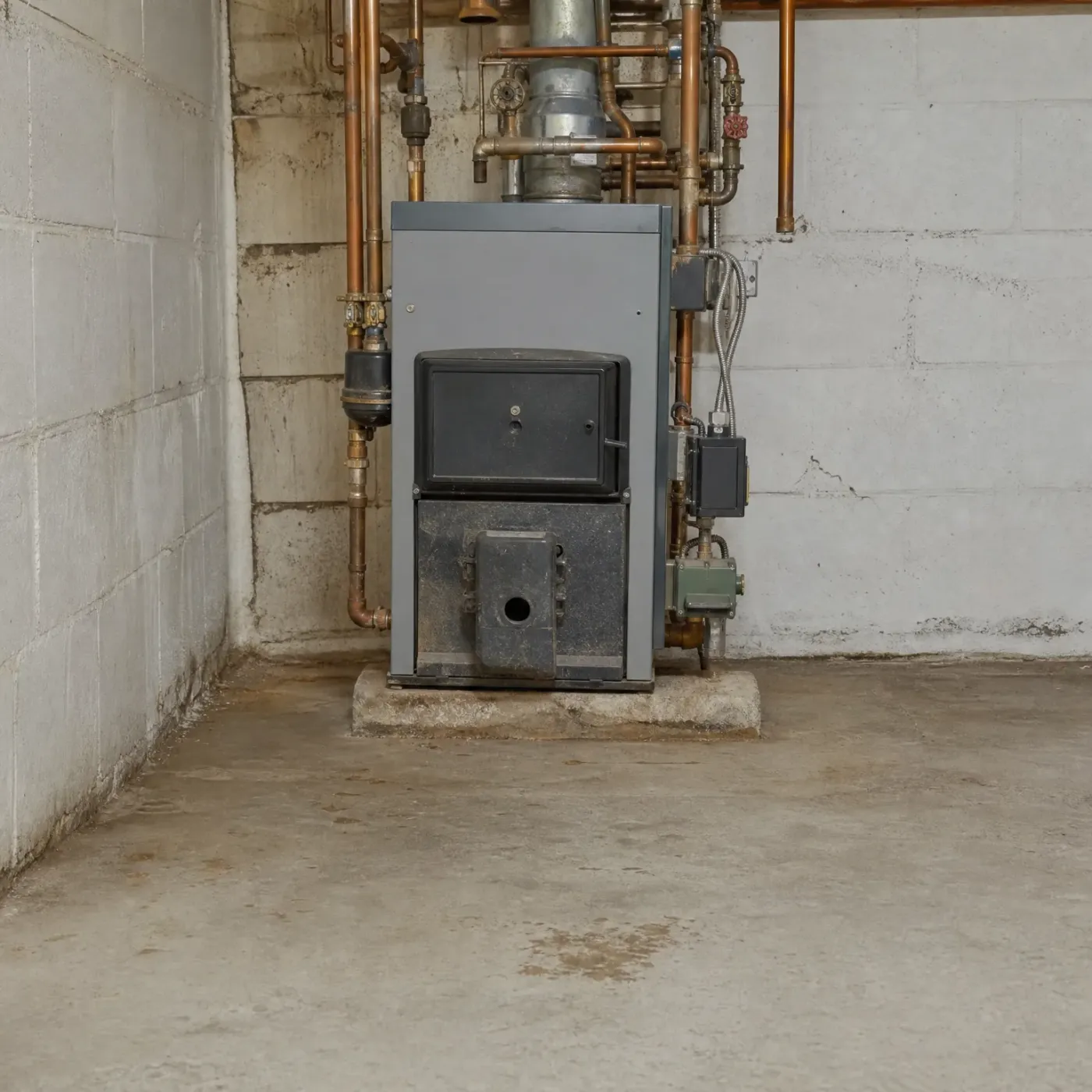
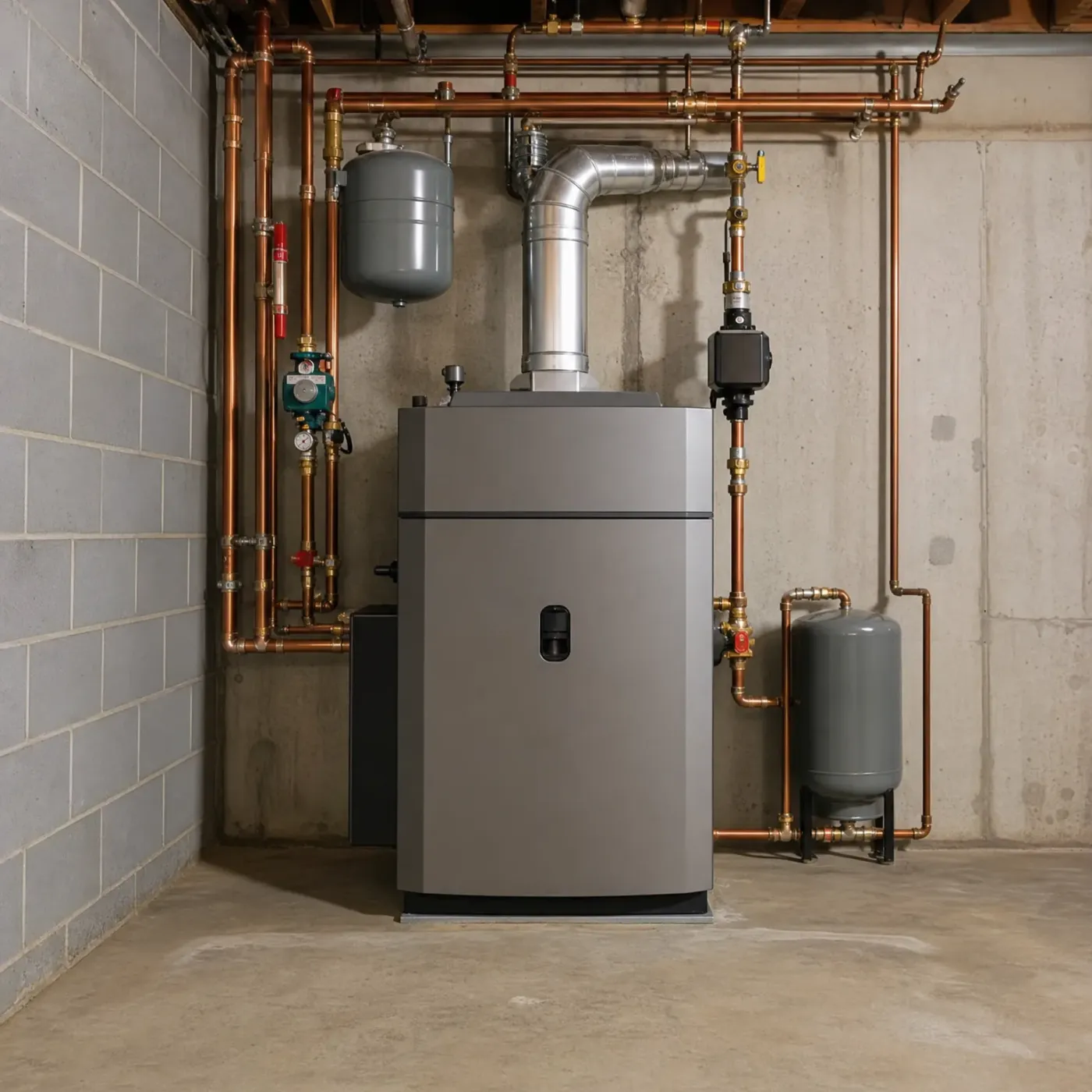
Winter nights average 13°F statewide, according to NOAA. At that temperature your boiler is running long cycles, not quick bursts, because the baseboard has to keep pushing heat into the room as fast as the cold pulls it back out through the windows and walls. If a zone valve is sticking or there's air trapped in the line, you'll feel it most on nights like these, the room that's usually just a little cool goes properly cold, and the oil burner keeps firing without ever catching up. That's the gap between a baseboard system running clean and one losing ground, and at 13 degrees there's no slack left to hide it.
NOAA nClimDiv 1991-2020 county normals weighted by homes
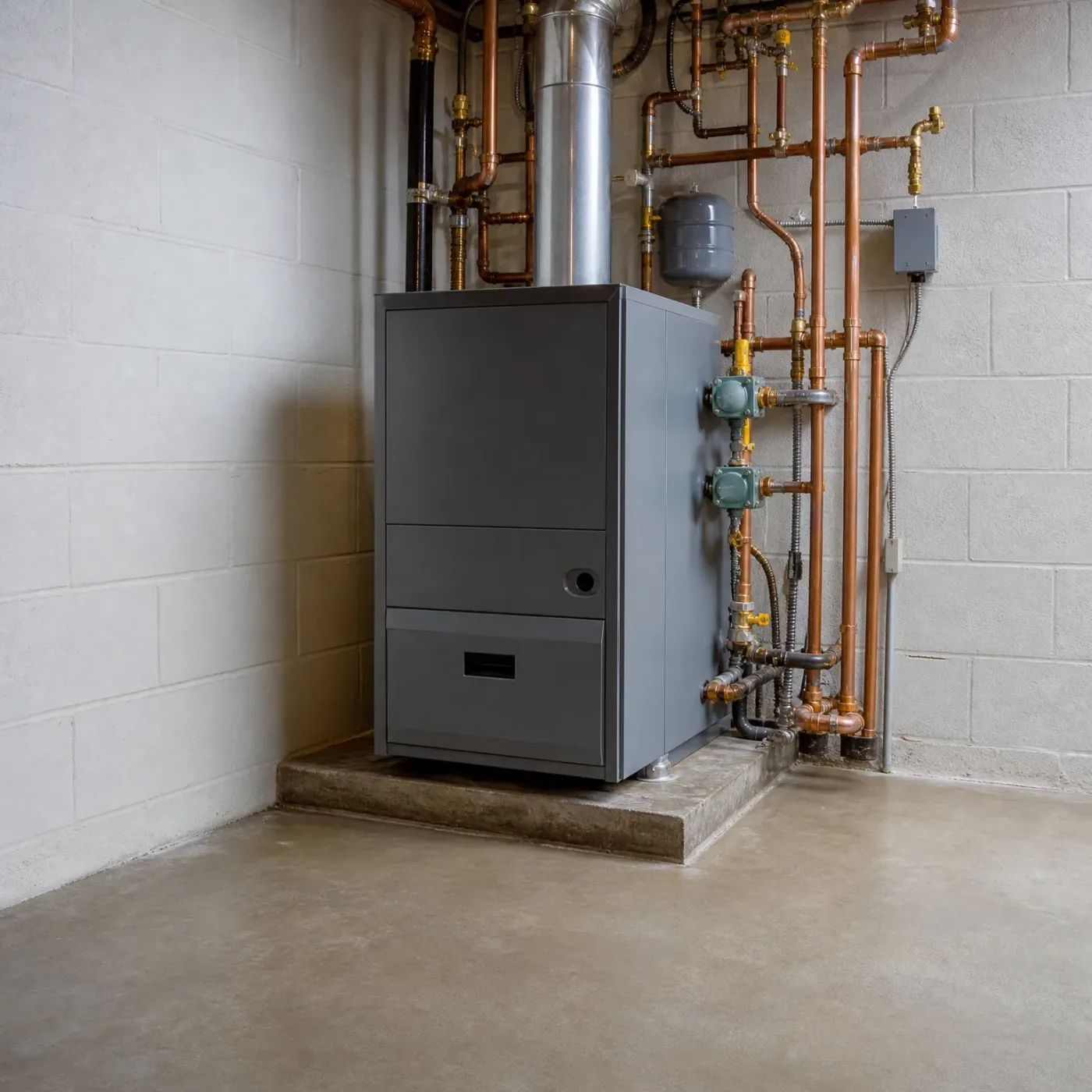
The copper lines running from the boiler to the wall fittings stay tight and dry, with no green or white crust at the joints. The expansion tank holds its charge, the flue draws clean, and every baseboard in the house comes up warm at the same time.
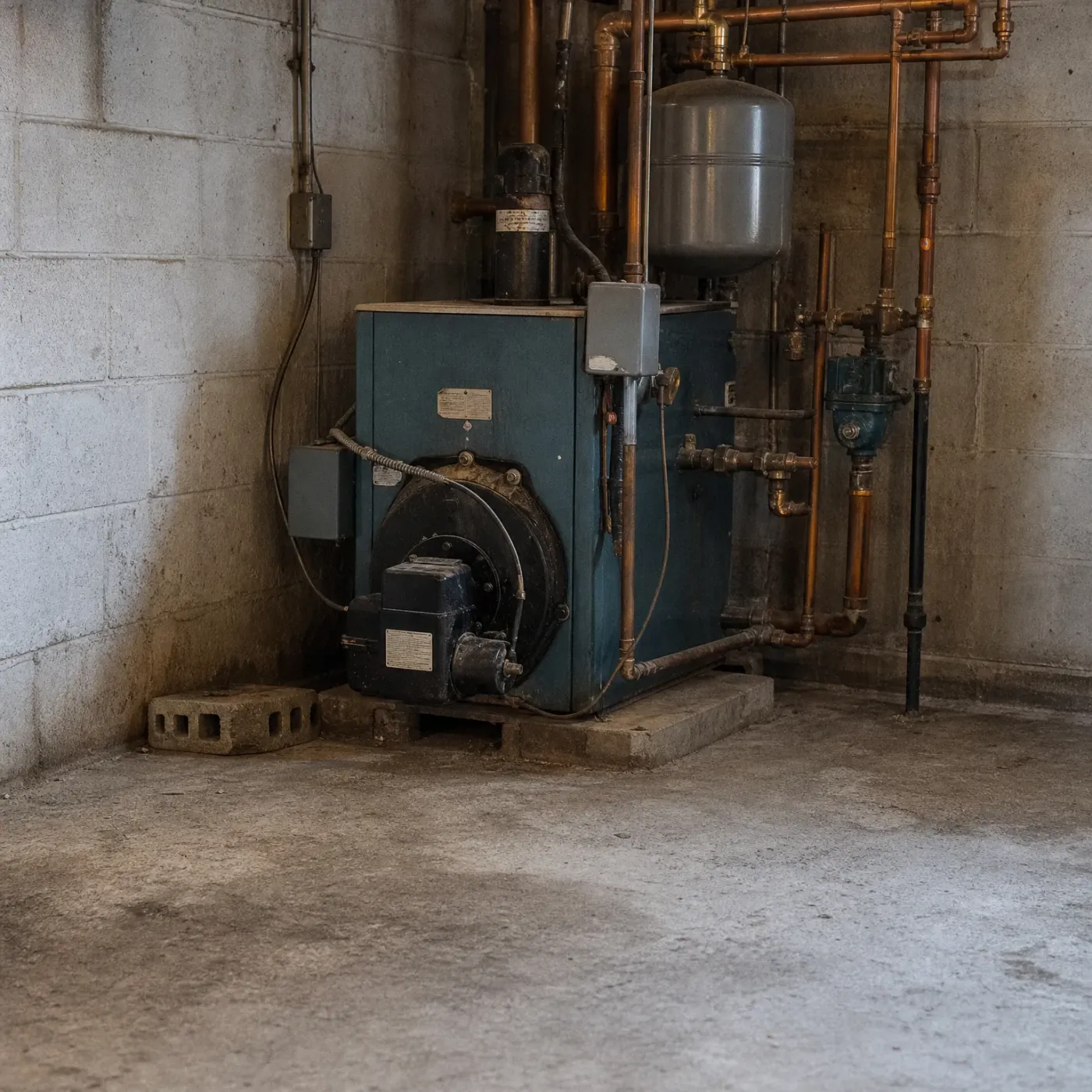
That blue paint on an older boiler can hide a lot. Rust bleeding through at the seams, a flue connector gone dull and flaky, or a fitting weeping where black iron meets copper are signs the system is working harder than it should to keep your baseboards fed.
At 13°F your boiler can't just hold the house at temperature, it has to keep catching up. A zone that's slow to heat, or a baseboard that's only warm at one end, shows up fast on a night like that instead of staying hidden.
NOAA nClimDiv 1991-2020 county normals weighted by homes
A cold room off a working zone, air trapped in a loop, a zone valve that won't open: these are the things that stop baseboard heat in Maine, and a licensed tech can usually find which one it is in under an hour. Letting it ride through January costs you heat in that room and costs the rest of the system nothing, since the other loops keep running fine. The contractor who takes this job is local and works on these boilers every winter, so the failures you're describing aren't new to them. You'll hear from that one contractor directly, not a handful of companies competing for the callback. That's who ends up looking at your baseboard: someone who already knows what a stuck valve or an airbound loop looks like in a Maine house, because they've opened up that same pipe before.





Your request goes to one pro, not a list of companies.
You only hire the pro if you want to.
