


What winter here actually asks of a heat pump
Your heat runs ten months a year here, September through June, and the overnight low averages 8°F across December, January and February. A standard heat pump starts losing its rated output below 40°F, and below about 35°F it usually needs backup heat to make up the difference. Every one of the roughly 180 nights a year that fall to freezing or below is already past both of those marks. That's over half the nights in the months your heat is running.
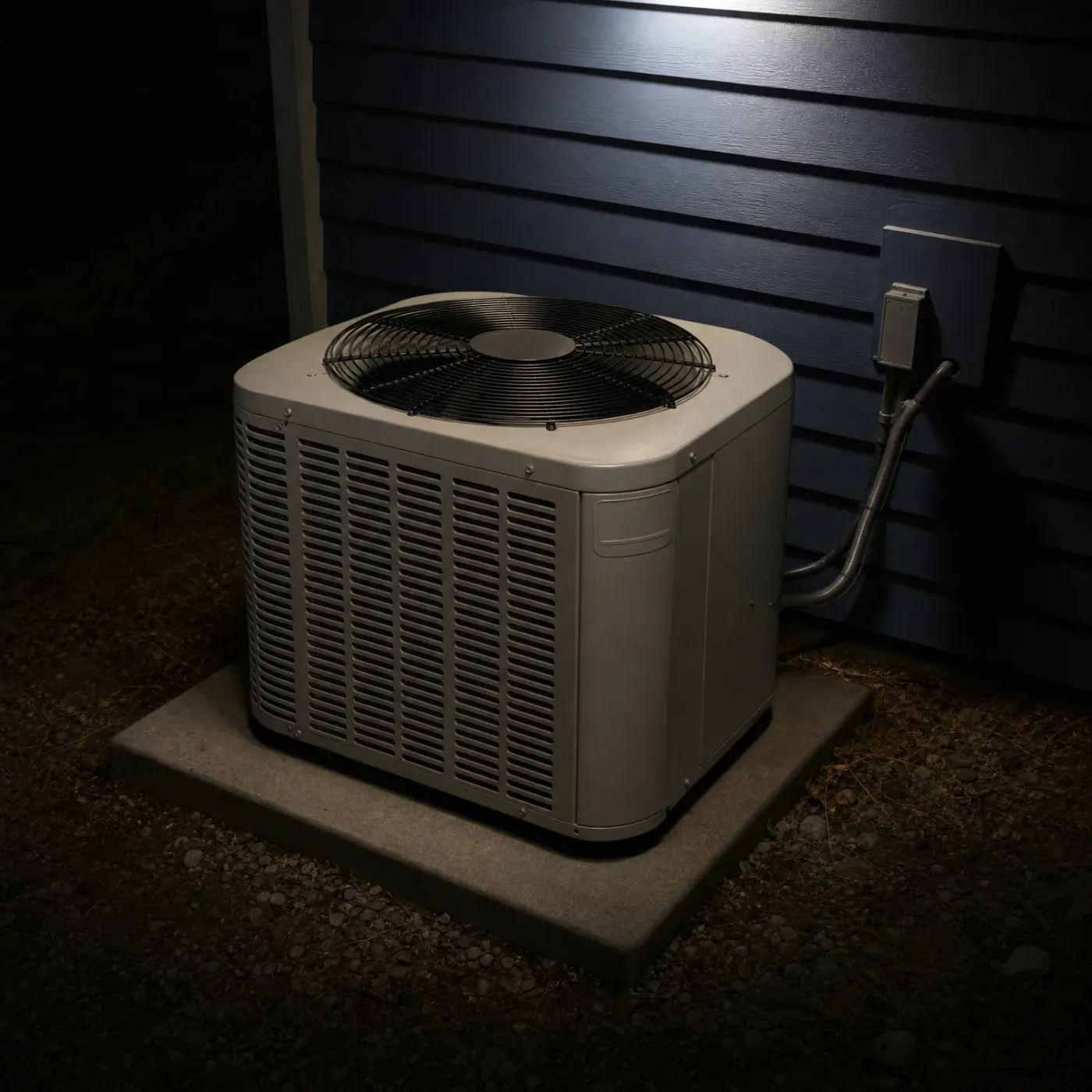
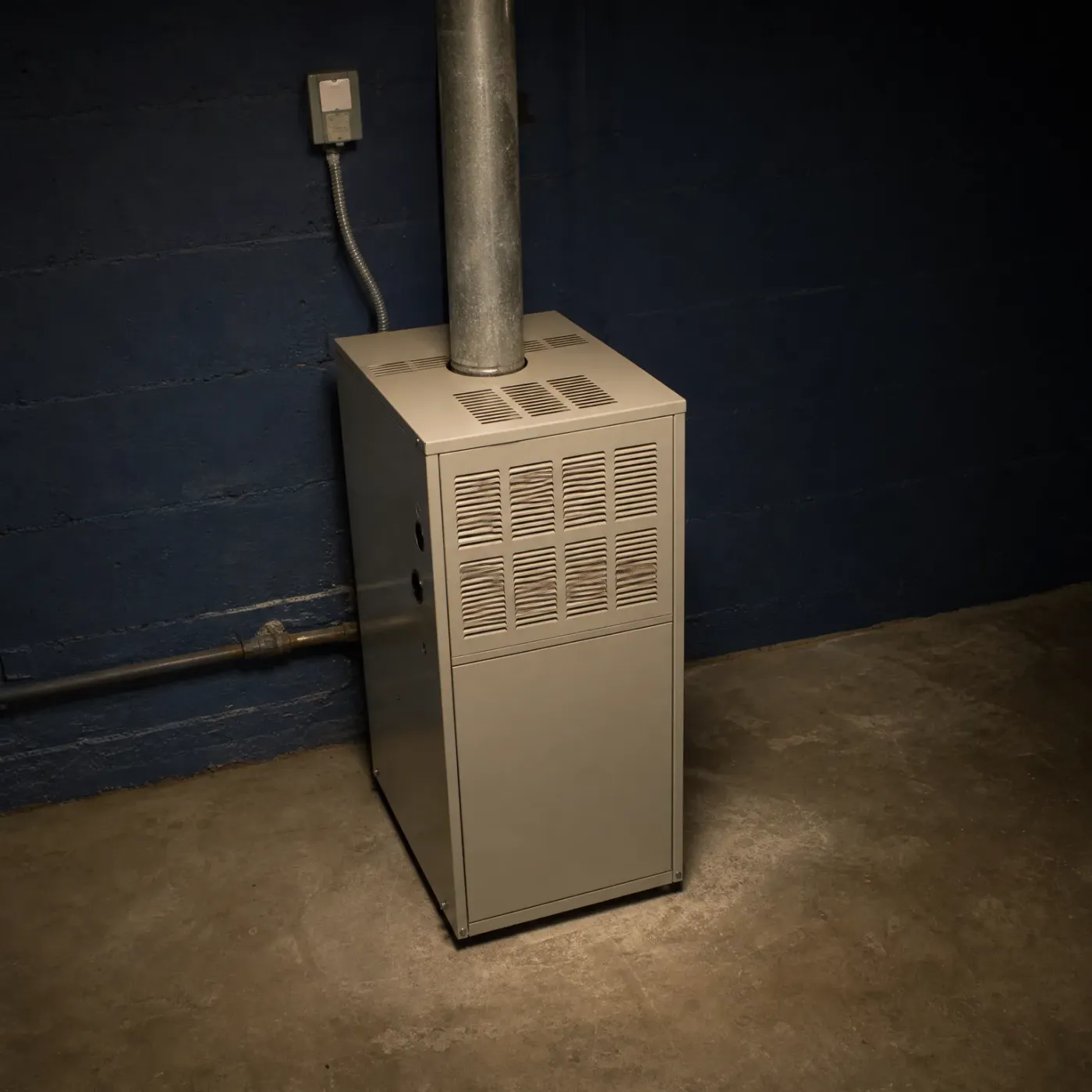
That doesn't mean a heat pump can't carry the house. Cold climate models exist for this. To earn the ENERGY STAR Cold Climate label, a heat pump has to deliver at least 1.75 units of heat per unit of electricity at 5°F, below your winter average, and hold onto most of its capacity at that point, verified by outside testing. A two-winter study of these units running in occupied homes found backup heat covered only a small share of the load between 0°F and 35°F, and running on backup alone was rare even at 0°F. So the distinction matters: the standard equipment the running-cost figures assume is not built for nights like yours, and a cold climate unit is a different machine. A furnace doesn't carry that risk at all. It makes its full rated heat whether it's 30°F outside or far below, and about 25 nights a year here do reach 0°F or colder.