York County sees its share of storms
Winter storms hit York County 95 times between 2015 and 2024, heavy snow, ice, blizzards. That's the weather any furnace installed here has to run through, year after year.
Takes about a minute. No obligation.
Winter storms hit York County 95 times between 2015 and 2024, heavy snow, ice, blizzards. That's the weather any furnace installed here has to run through, year after year.
More than half of Maine households went at least 24 hours without power in 2024. A furnace needs electricity for its blower and controls, so it goes down when the power does. Worth asking what happens to your heat in an outage before you pick a system.

NOAA nClimDiv, 1991–2020 normals
Fuel oil ran $23.73 per million Btu in Maine in 2024.
An efficient furnace burns less of it to heat the same house.


Ask your installer where the furnace and any outdoor equipment will sit before the work starts. A battery backup or transfer switch for a generator is worth pricing out alongside the furnace itself, since the blower and controls won't run without power. If you already have a generator, check that it can carry the furnace's electrical load along with everything else you'd run during an outage. None of this changes how the furnace heats your house. It changes whether it keeps heating when a winter storm takes the power out.
Sanford sits in zone 6A, a cold climate with a long winter. Any furnace installed here has to be rated at least 80 percent AFUE, and that floor rises to 95 percent for units manufactured from December 2028 on. A federal tax credit is available on qualifying high-efficiency furnaces right now, worth checking against whatever your installer quotes.
Find a contractor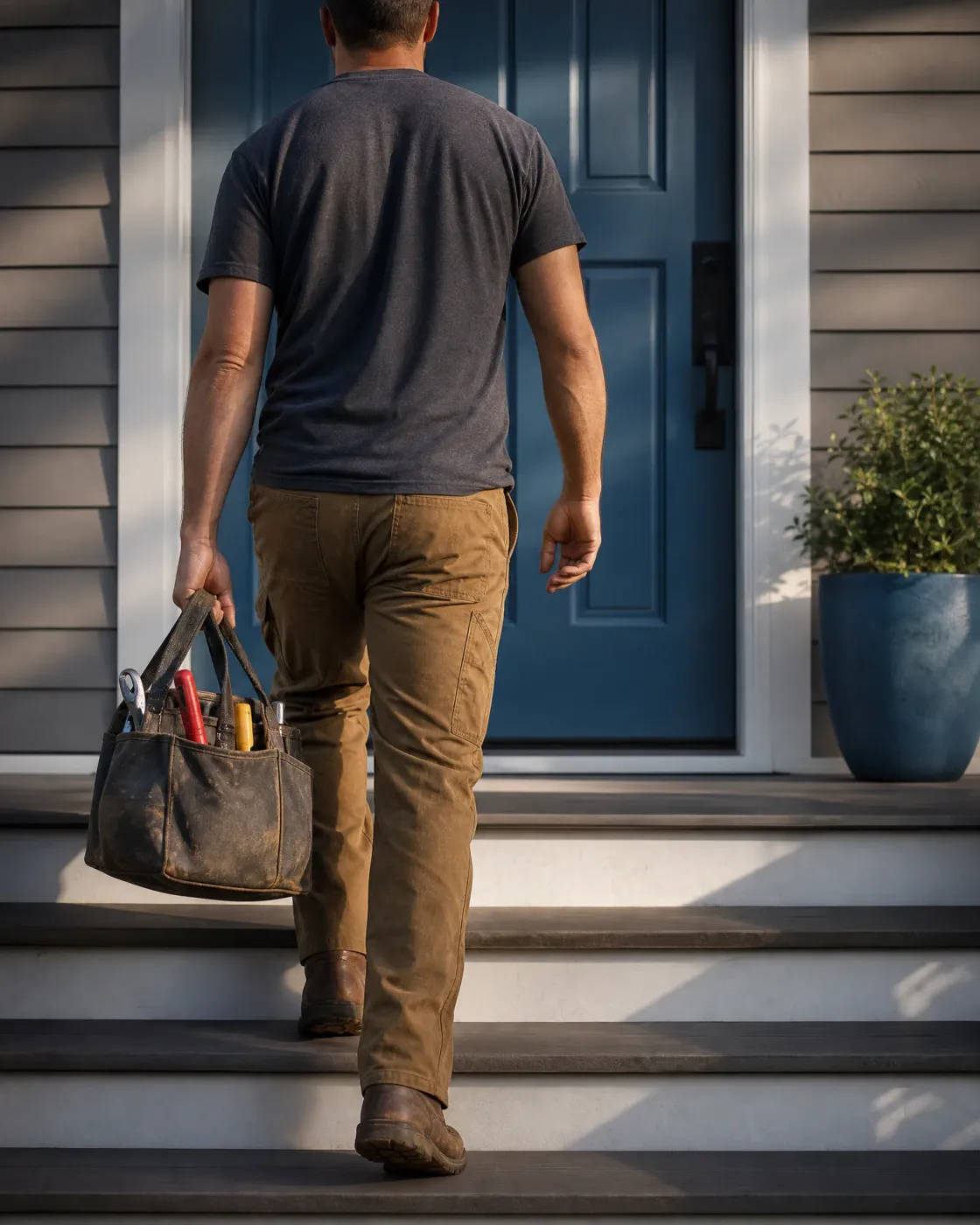
Nine months of heat means a furnace here runs longer each year than almost anywhere else in the country. Overnight lows average 16°F through December, January and February, so once it comes on, it stays on, working hard rather than cycling lightly. Those hours add up on the blower and the igniter. They add up in storms too, the kind that bring heavy snow and ice and keep a furnace running when it matters most. A furnace sized wrong for this house shows the strain sooner, whether that means short-cycling in a mild stretch or running flat out and still falling behind on the coldest nights.
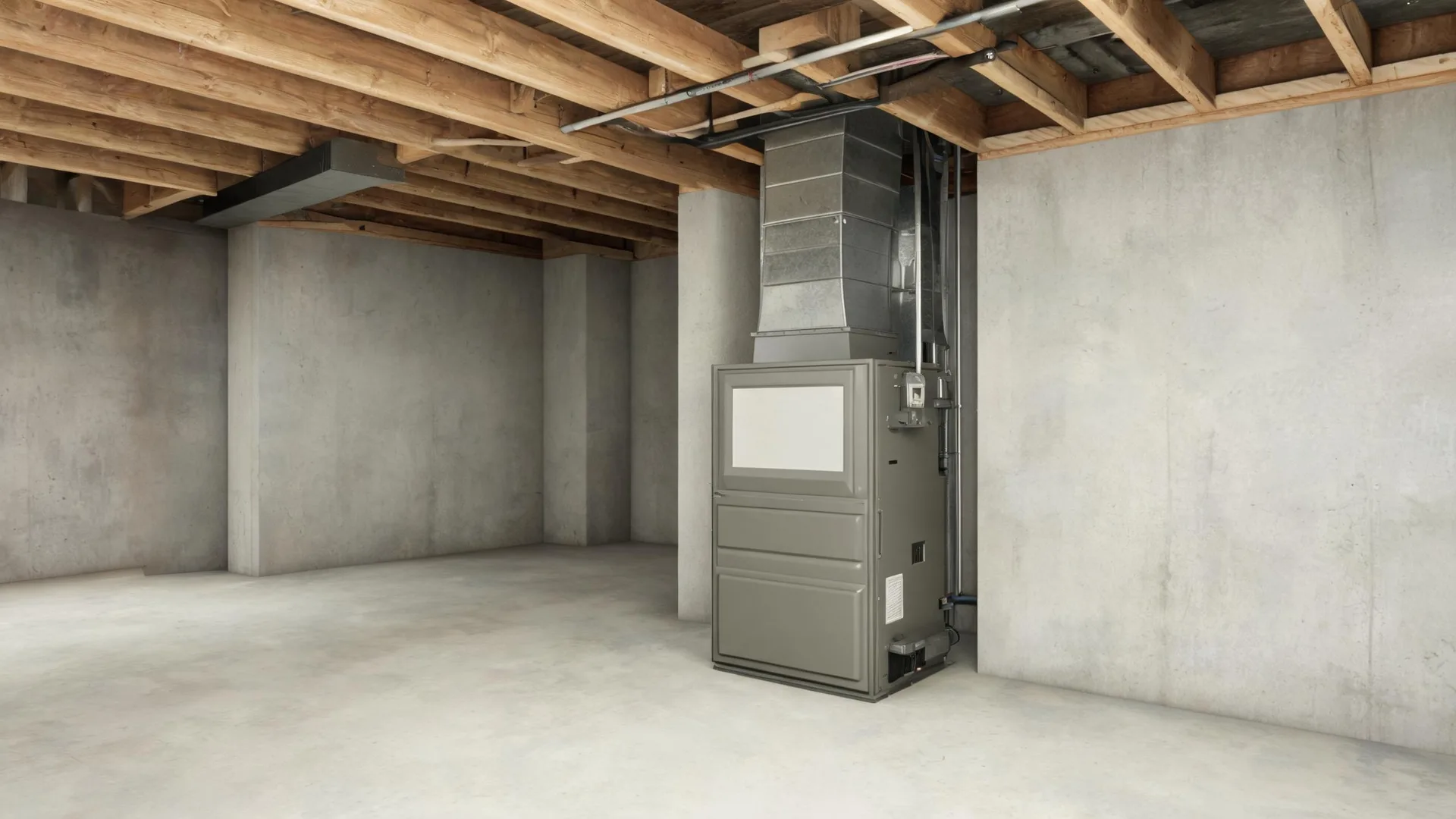
Disconnecting it means capping the gas or oil line, pulling the flue connection, and disconnecting the power and any thermostat wiring. Once it's unhooked, it gets broken down enough to carry out through the door it came in, or close to it. A furnace doesn't get smaller going out than it was coming in, so tight basement stairs or a narrow utility closet can shape how the job goes.
A furnace cabinet is mostly steel, and the heat exchanger inside it too, so scrap haulers take it rather than landfills. Anything that held oil gets drained first. Ask whether hauling the old unit away is part of the job, since some installers leave it sitting in the driveway for the homeowner to deal with.
A furnace that's too big for the house heats it fast and shuts off, then starts again a few minutes later. That short run time means it never gets to warm up evenly or pull much moisture out of the air. All that extra starting and stopping wears on the burner and the igniter sooner than steady running would. Too small, and it runs flat out on the coldest days and still can't keep up, so the house loses ground overnight. Getting the size right means a room by room look at the house, how much wall and window area is losing heat, how the attic and walls are insulated, which way rooms face, how airtight the place is. A contractor works through that as a heat load calculation rather than going by the old furnace or the square footage alone. Houses that look alike from the street can need different furnaces depending on how they're built.
Installation day starts with the new furnace still in its box and the old one already gone or coming out that same morning. A tech sets it in place, levels it, and starts connecting the flue, the gas or oil line, the ductwork and the wiring, in that order or close to it. Each connection gets tested before the next one starts, so a bad joint gets caught before the cabinet is sealed up. Once it's hooked up, the system runs through a full cycle. The igniter fires, the burner lights, the blower kicks on, air moves through the ducts. A tech checks the gas pressure or oil nozzle, the temperature rise across the furnace, and the flue draft before calling it done. The thermostat gets set up and tested last, since that's the first thing anyone touches once the crew leaves.