


What winter here does to a heat pump
Your winter low here averages 16°F, and that's the number that decides this. A standard heat pump starts losing its rated output below 40°F, and below about 35°F it usually needs backup heat to keep up. Your average night is below both marks. So is every single one of the roughly 160 nights a year here that drop to freezing or below.
That doesn't mean a heat pump can't heat your house. Cold climate models carry an ENERGY STAR rating that requires them to hold at least 70 percent of their 47°F output, and deliver 1.75 units of heat per unit of electricity, at 5°F, tested by a third party. Field tests of these back that up: watched over two winters in occupied homes, backup heat covered only a small share of the load between 0°F and 35°F, and the homes rarely ran on backup alone unless it was already below zero. Your county sees that kind of cold about 13 nights a year. The other 147 nights at or below freezing, a cold climate heat pump is built for.
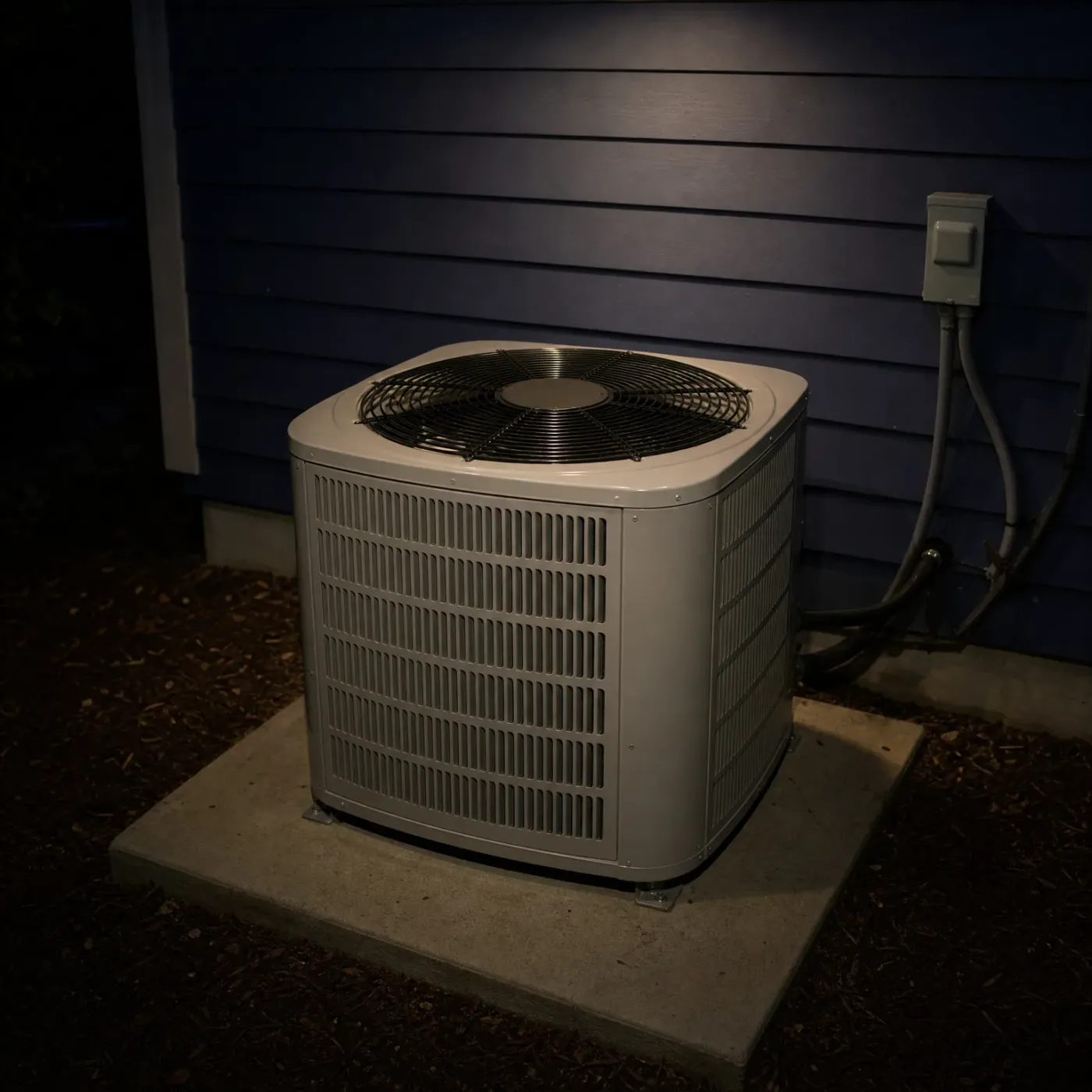
A plain heat pump, the kind built to the federal minimum, is a different bet in your climate. It will lean on backup heat for more of those 160 nights, and that backup is usually electric resistance, the most expensive heat there is. If you're pricing a heat pump for this county, the cold climate rating is not an upgrade. It's the version that matches your winters.