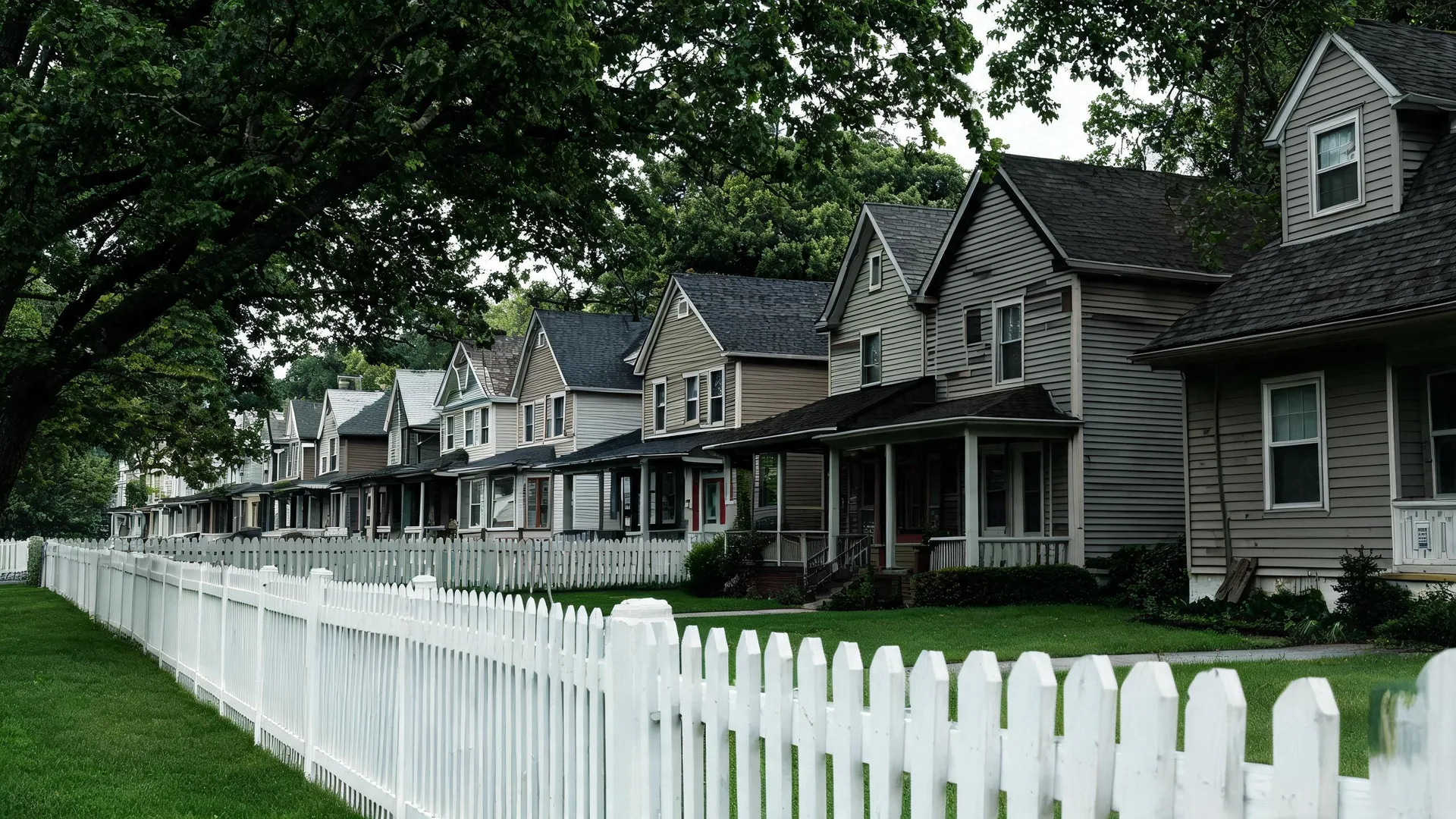





A row of similar two-story wood-sided houses with gabled roofs and porches behind a white picket fence, with lawns and large shade trees.

Furnace Installation in Rumford, ME

Tell us about the job

Takes about a minute. No obligation.

New system or replacementFurnace or heatingOxford County, ME
Step 1 of 2

What ZIP code is the job in?

Fuel oil ran $23.73 per million Btu in Maine in 2024. That is the price per unit of heat, and it holds whether your furnace burns it well or wastes a share of it up the flue. An old furnace loses more of that heat before it ever reaches your rooms. A new one is built to pull more heat out of the same gallon. Over a Rumford winter, that difference shows up on every bill, not just the coldest weeks.

9 months
September through May, your furnace is on duty
10°F
the average winter night it heats against
80% AFUE
the federal minimum any new unit must meet
Isometric cutaway illustration of a small house showing a furnace unit connected to ductwork and a vertical flue pipe extending through the dark shingled roof, with sparse furniture in the rooms.
Your furnace works hardest from November through March.

NOAA nClimDiv, 1991–2020 normals

Fuel oil heats 58 percent of homes in Oxford County.

A replacement furnace here almost always means another oil furnace, sized and installed for this house.

Get a new furnace in before September, not after the first cold snap

Heat runs September through May
Winter nights average 10°F
100 winter storms from 2015 to 2024

Your furnace in Rumford runs nine months a year, September through May. That's most of the calendar, not a season. Overnight lows average 10°F through the dead of winter, and the furnace has to recover that every night it runs. Add the storms that roll through most winters, heavy snow and ice that pile load onto a system right when a failure would hurt most. A furnace sized a little small gets away with it in a mild climate. Here it runs close to flat out for most of the year and shows wear sooner.

A right-sized furnace, nothing more, nothing less

Half the homes in Oxford County were built in 1977 or earlier, half in 1977 or later. That's an ordinary mix for this area, old houses and new ones side by side, and it doesn't push the sizing one way or the other. A contractor sizes your furnace to your house itself, its square footage and layout, not to the year it went up. Get that sizing right and a standard furnace is built to handle what a Rumford winter asks of it.

Find a contractor
A gray high-efficiency gas furnace installed in an unfinished basement, surrounded by gas lines, a condensate drain, and sheet-metal ductwork.

This furnace doesn't get a break to cover for a bad install

This furnace doesn't get a slow month where a bad install goes unnoticed. It runs from September through May, so a mistake in the sizing or the setup shows up fast, not years down the road. Ask the contractor how they're sizing it for your house and what they check once it's running. That matters here more than it would somewhere the system only kicks on a few weeks a year.

The old furnace comes out

A contractor disconnects the oil line, the vent connector and the ductwork, then removes the furnace and the chimney liner or vent pipe that served it if the new unit doesn't reuse them. An old oil tank gets drained before any of this starts, since a full line is a hazard once the furnace it feeds is gone.
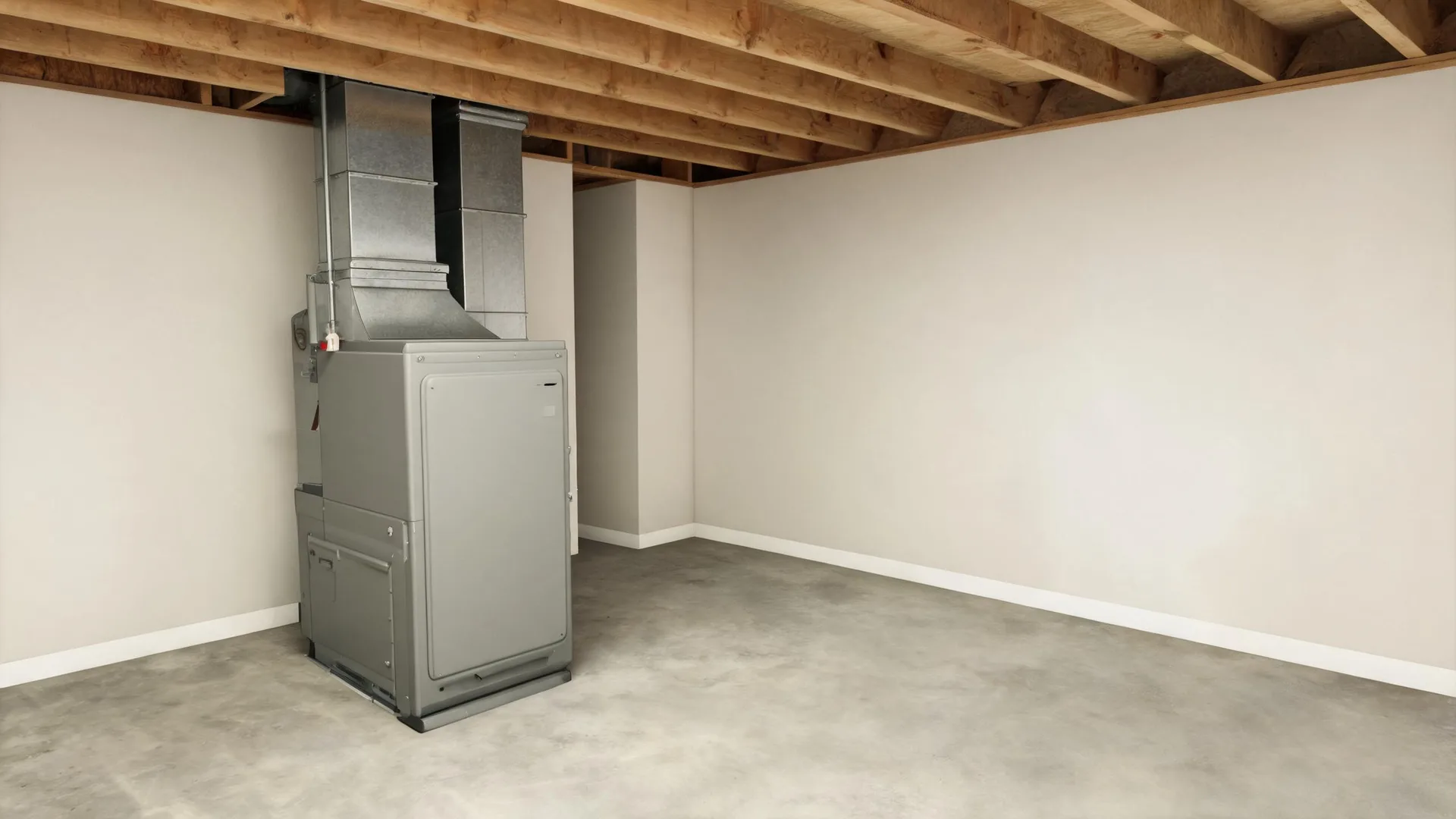
What's left behind gets dealt with too

Old oil furnaces often hold a cracked heat exchanger or scale built up inside from years of combustion. None of that transfers to the new system. The pad or platform it sat on gets reused or replaced depending on what the new furnace needs, and the flue gets checked to make sure it still matches what the new unit requires.

Ask what AFUE rating each furnace carries, since that number tells you how much of every gallon actually turns into heat in your house versus going up the flue. Ask how they size it for your house rather than quoting a number off the old nameplate. A furnace sized by rule of thumb can short-cycle or run too long, and either way it wears out faster. Ask what happens to the venting, since a more efficient furnace often needs a different flue than the one already in the wall. And ask what the warranty covers if something in the install itself turns out wrong, not just parts that fail on their own. A contractor who answers these without hesitating has done this before.

Installation day starts with the old furnace still in place, so the first hour is shutoff and disconnection before anything new goes in. The oil line gets capped. The vent connector comes apart. The furnace gets cut loose from the ductwork it's tied into. Setting the new furnace usually takes less time than people expect. Connecting it is the slower part, matching the ductwork, running new venting if the old flue doesn't fit, wiring the thermostat and safety controls, then bleeding the oil line and getting the burner to fire clean. Once it's running, a contractor checks the flue draft, tests the limit switches, and lets the furnace cycle a few times before calling it done. A furnace installed right is quiet about it afterward. You notice a bad one by the problems it causes, not by anything that happened on the day.