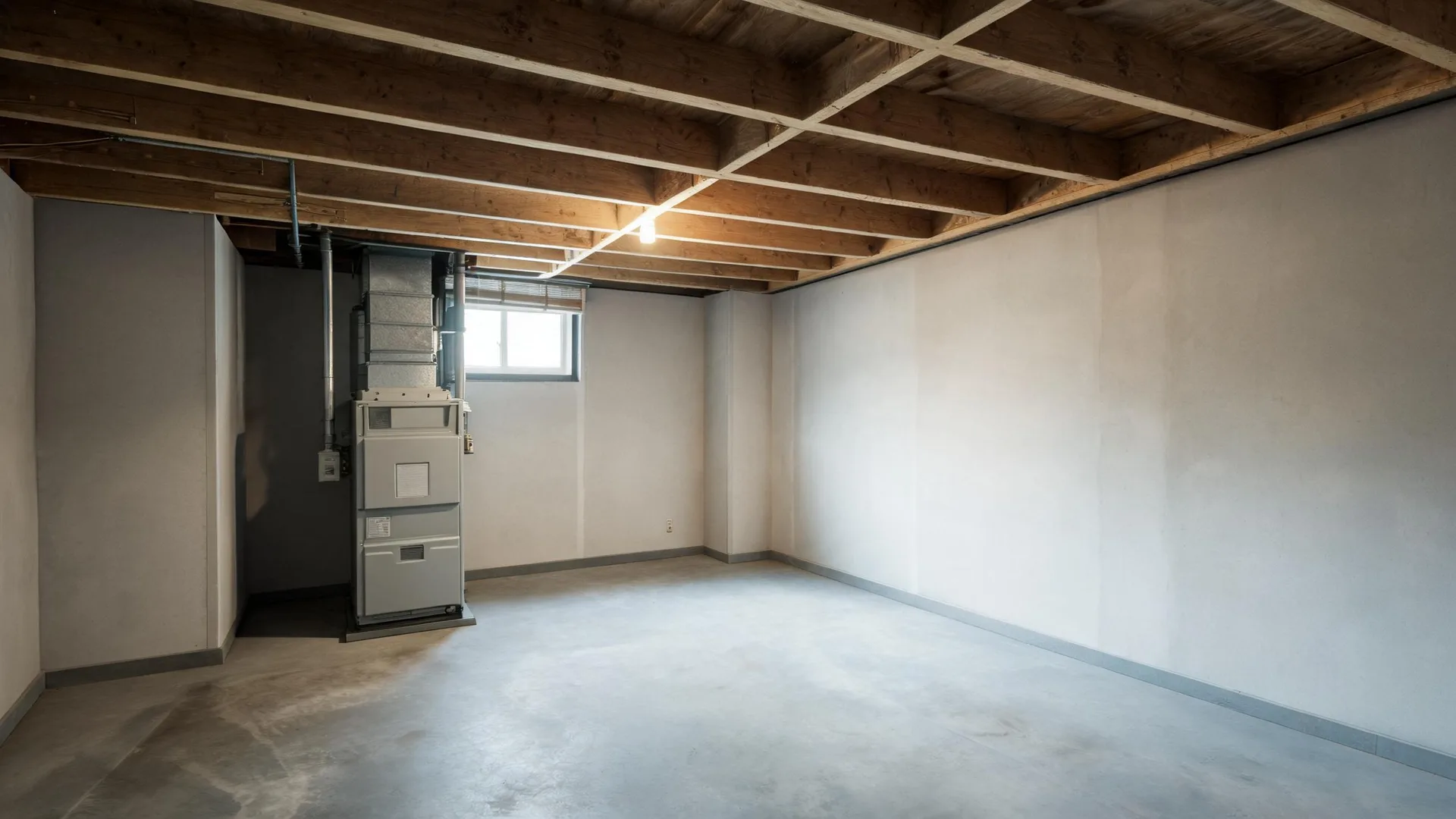
An unfinished basement interior featuring a large metal furnace unit, exposed ceiling joists, concrete walls, and scattered boxes and cables on the floor.

Furnace Installation in Calais, ME

Tell us about the job

Takes about a minute. No obligation.

New system or replacementFurnace or heatingWashington County, ME
Step 1 of 2

What ZIP code is the job in?

Winter storms are the regular event here

Washington County saw 128 winter storms between 2015 and 2024, more than any other kind of severe weather on record. A furnace installed here should be set up to run through heavy snow and ice, not just cold air.


A furnace needs power to run

The igniter, the blower and the control board all run on electricity, even in a gas furnace. Over half of Maine households went at least 24 hours without power in 2024. If you're installing new, it's worth asking your contractor about backup options before the next outage finds out for you.

9 months
September through May, your furnace is on duty
14°F
the average winter night it heats against
80% AFUE
the federal minimum any new unit must meet
Isometric grayscale illustration of a cutaway house showing an interior furnace with a tall flue pipe and ductwork running to rooms under a partially lifted roof.
Your furnace works hardest from November through April.

NOAA nClimDiv, 1991–2020 normals

Furnaces in Washington County run from September through May, nine months of the year.

Get yours replaced in August and it's done before that first cold night, not during it.

Nine months of winter work calls for a furnace sized for it, not priced for it

Heat runs September through May
Winter nights average 14°F
128 winter storms from 2015 to 2024

Fuel oil here cost $23.73 per million Btu in 2024, and that price doesn't care how efficient your furnace is. A unit that wastes heat burns through that oil for nothing, and the waste shows up on every delivery. An efficient furnace gets more heat out of the same tank of oil. When you're comparing models, ask what each one actually costs to run through a Calais winter, not just what it costs to install.

A correctly sized furnace, nothing more, nothing less

Half the homes in Washington County were built in 1975 or earlier, half in 1975 or later. That's an even split, not a pattern, and it doesn't call for anything unusual in a furnace. A standard size, properly matched to the house, and a standard efficiency rating will do the job here.

Find a contractor
A gray residential gas furnace installed in an unfinished basement, surrounded by ductwork, a metal flue pipe, and a gas supply line.

Nine months of runtime, every year

Ask the contractor for the size written on paper, not a guess based on the old furnace or the square footage alone. Nine months of heating a year and overnight lows averaging 14°F through the winter don't call for anything oversized, but they don't leave room for an undersized unit either. A furnace sized right for this house runs steady through those months. One sized wrong either short-cycles or struggles to keep up on the coldest nights, and both wear it out sooner.

Ask what the warranty actually covers

A parts warranty from the manufacturer doesn't cover the labor to replace that part. Ask the contractor what their own labor warranty runs, separate from the manufacturer's coverage, and get it in writing. Registration deadlines matter too. Some manufacturers shorten the warranty if the unit isn't registered within a set window after install.

Ask who pulls the permit

A furnace install should be inspected by the local code official, not just signed off by the contractor. Ask who pulls the permit and schedules that inspection. A contractor who skips this step may finish the job faster, but there's no record that the gas connections and venting were checked by anyone outside the company that did the work.

Taking out the old furnace is part of the job, not an extra step to negotiate later. A contractor disconnects the gas and electrical lines, seals off the old venting, and hauls the unit out, usually on install day so the house isn't without heat any longer than it has to be. Old furnaces have some scrap value in the steel cabinet and copper components, and most contractors factor that into the haul-away rather than charging to remove it. If the old unit ran on oil, ask what happens to the tank, since swapping fuel types or removing an oil tank is a separate piece of work from the furnace swap itself. Ask before install day whether removal and disposal are included in the quote, because some contractors itemize it separately.

Install day starts with the old furnace still running, if it's working at all, so the contractor can see how the existing ductwork and venting are set up before anything comes apart. The gas or electrical supply gets shut off, the old unit comes out, and the new one gets set in place and leveled. Ductwork connections, venting and the gas line all get tied in next, each one tested before it's closed up. The control board gets wired and the thermostat gets connected. Then comes startup. The contractor checks gas pressure, confirms the igniter lights properly, and watches the flame through a full cycle. A combustion analyzer check at the vent tells the contractor whether the furnace is burning clean before they call it done. Expect the house to be without heat for a stretch in the middle of all this, not the whole day, but long enough that it's worth planning around if the weather's bad.