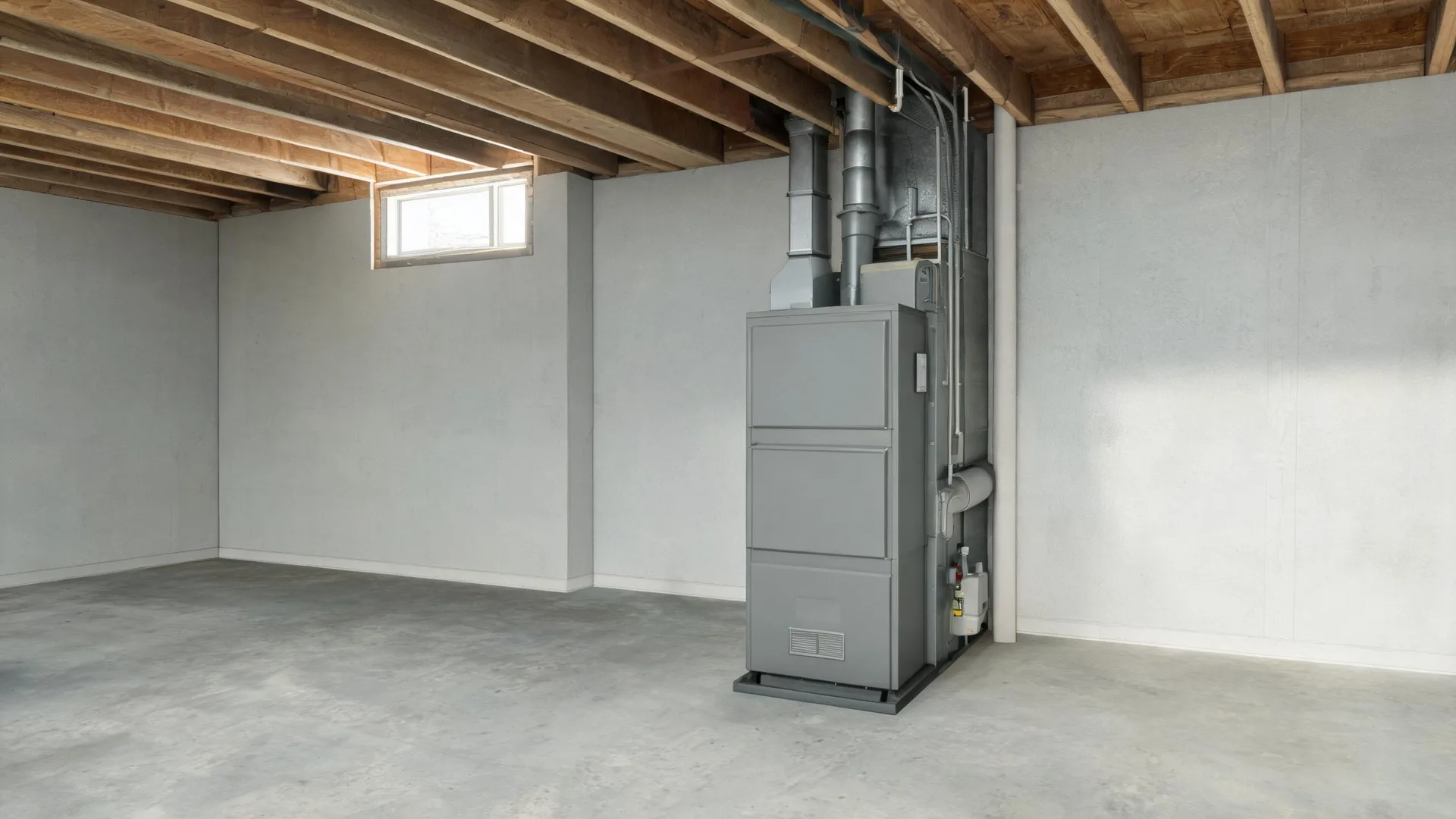
Oil costs more to burn here
Fuel oil ran $23.73 per million Btu in Maine in 2024. A furnace that wastes heat up the flue is burning that oil for nothing.
Takes about a minute. No obligation.
Fuel oil ran $23.73 per million Btu in Maine in 2024. A furnace that wastes heat up the flue is burning that oil for nothing.
At that price, the difference between a furnace that runs well and one that runs poorly shows up on every bill all winter. Ask what efficiency rating a new furnace carries before you decide.
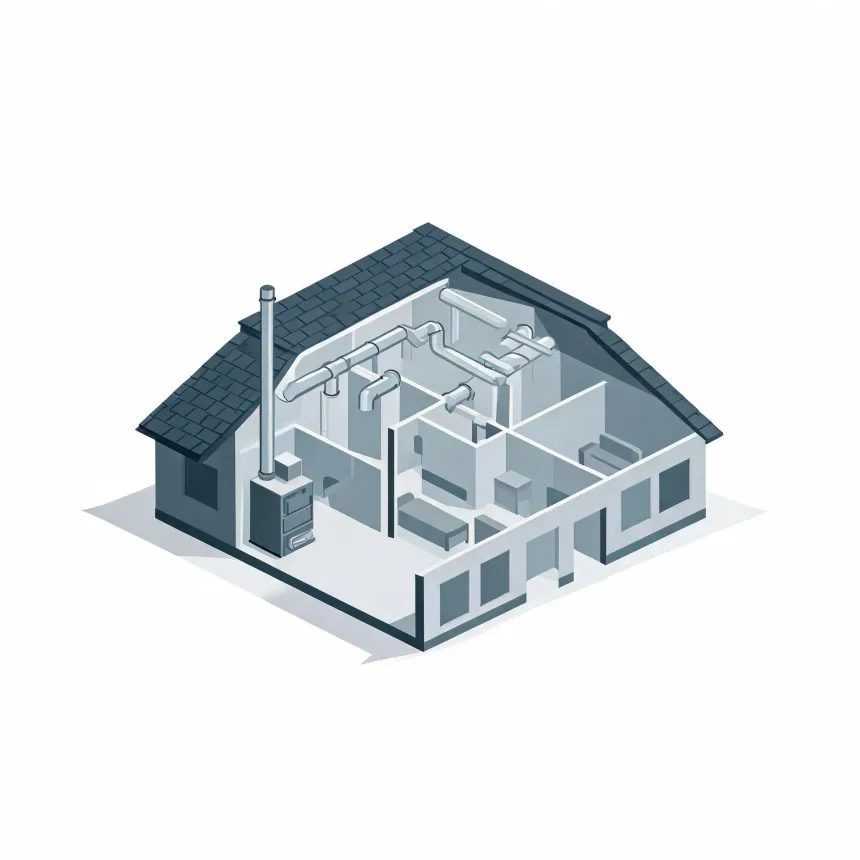
NOAA nClimDiv, 1991–2020 normals
Fuel oil or kerosene heats close to 6 out of 10 homes in Androscoggin County.
If your old furnace burned oil, a new oil furnace drops in without new gas lines or a propane tank to site.



Furnace here runs September through May. Overnight lows average 13°F through December, January and February, so most nights it's holding a house above freezing against real cold, not just taking the edge off. Add 45 winter storms over the past ten years, each one a stretch where the system can't cycle down. A furnace sized too small for the house will run flat out on those nights and still lose ground. One sized right handles a hard freeze the same way it handles a mild stretch in September. Get the sizing right before you look at anything else.
Power costs more here, so an efficient system pays you back on every bill.
Find a contractor
Furnace season here starts in September and doesn't let go until May. That's nine months of the year the system is working. August is the last easy month to deal with a replacement, while you've got no cold nights pushing you to decide fast and no contractor booked solid with emergency calls. Wait until the first cold snap and you're picking from whatever's in stock, installed by whoever can fit you in. Do it in August and you're picking the furnace that's actually right for your house.
A furnace moves air through the ducts already in the house. If they're too small for the new furnace's output, or they leak at the joints, the installer has to address that before the furnace even matters. That work can cost more than the furnace itself, and there's no way to know what's needed until someone opens up the system and looks.
A high efficiency furnace vents through plastic pipe out a side wall. A standard one vents up a metal flue through the roof. Switching from one type to the other means running new venting, not just swapping the unit in place. Staying with the same type the house already has is usually the simpler job.
The old furnace doesn't get reused once it's out. Whoever installs the new one disconnects the gas or oil line, pulls the unit, and hauls it away for scrap. If it's a gas furnace, the line gets capped off safely. If it's oil, the old tank sometimes stays and sometimes goes, depending on whether the new furnace burns the same fuel. The flue or vent pipe tied to the old unit either gets reused, if the new furnace vents the same way, or it gets removed and replaced. None of this is something you need to arrange separately. It's part of the same job as putting the new furnace in.
Install day starts with the old furnace still connected and ends with the new one running. Expect the crew there most of the day, not just an hour. The gas or oil line gets shut off and disconnected first, then the old unit comes out. Setting the new furnace in place, connecting the ductwork, running the venting and wiring the controls each take time, and it has to be done in order. Once it's hooked up, the installer runs it through a full heating cycle to check the burner, the airflow and the exhaust before calling it done. Walking you through the thermostat and the basic shutoffs is usually the last step, not an afterthought.