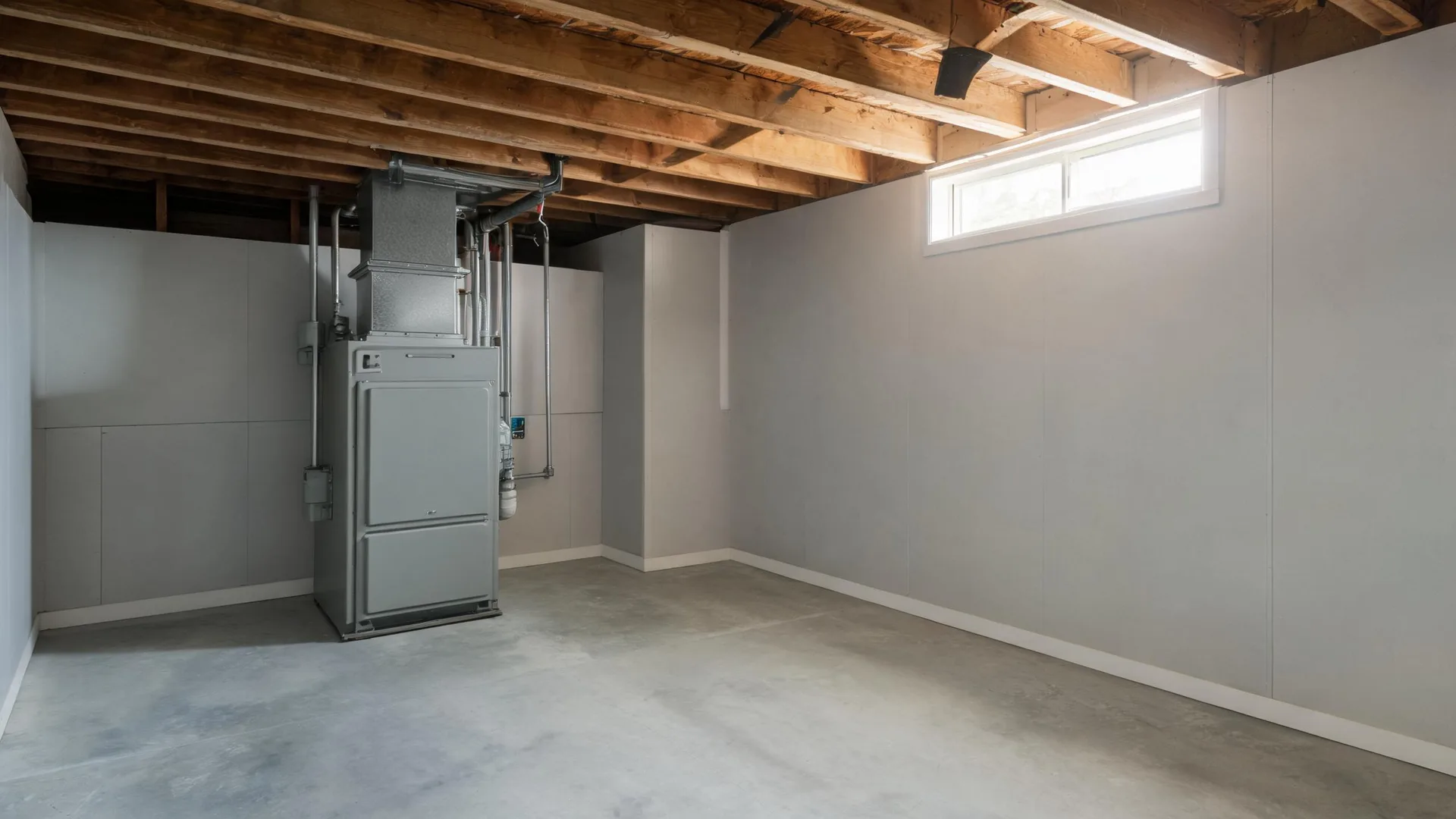
Oil costs more to burn here
Fuel oil ran $23.73 per million Btu in Maine in 2024. A furnace that wastes less of that fuel keeps more of it working as heat instead of going up the flue.
Takes about a minute. No obligation.
Fuel oil ran $23.73 per million Btu in Maine in 2024. A furnace that wastes less of that fuel keeps more of it working as heat instead of going up the flue.
Oil at that price makes the furnace's efficiency rating matter on every bill all winter, not just the sticker price of the unit. Worth asking what rating any furnace you're considering actually carries before you decide.
NOAA nClimDiv, 1991–2020 normals
Penobscot County logged 134 winter storms between 2015 and 2024.
A furnace install should include how you'll keep heat if a storm knocks out power.




Half the homes in Penobscot County were built in 1977 or earlier, half in 1977 or later. That split doesn't call for a different furnace. A standard size matched to your house, installed correctly, handles either one. What matters is sizing it off your home's actual heat loss, not off a guess or what the old unit happened to be. There's no case here for going bigger or paying for a higher-end unit than the house needs.
Furnaces installed here now need to hit at least 80 percent AFUE, the current standard for Penobscot County's zone. That minimum holds until December 2028, when new furnaces will have to reach 95 percent. A unit installed before then only has to meet the lower bar, but it's worth asking a contractor what rating the furnace you're considering actually carries.
Find a contractor
Nine months of heat a year, with overnight lows averaging 10°F through December, January and February. That's what a furnace here is up against before it's even asked to recover from a storm. The ignition system cycles on and off more times in a season than it would almost anywhere else, and the blower motor logs more hours. None of that calls for an oversized unit. It calls for one sized to your home's heat loss and built to hold up to the number of cycles nine months of winter puts on it.
The AFUE number on the label is the share of fuel the furnace turns into heat over a full season, not just at peak. The rest goes out the flue. A furnace rated higher wastes less fuel doing the same job, every cycle, all winter.
A furnace can carry a high AFUE number and still burn more fuel than it should if the ductwork leaks, the furnace is oversized for the house, or the venting isn't set up right. The rating on the label is what the unit can do. What you actually get depends on the installation around it.
The old furnace doesn't stay once the new one goes in. A contractor disconnects the gas or oil line, pulls the flue connection, and takes the whole unit out, usually the same day as the install. If it's a fuel oil furnace, any oil left in the lines gets dealt with as part of that removal, and the old tank setup gets looked at too if the new furnace changes how it connects. The carcass itself gets hauled off and scrapped, not left in the basement or garage for you to deal with. Ask ahead of time whether removal and haul-away is included in the install quote, because some contractors itemize it separately.
A contractor checks the load calculation and the venting plan before anything gets disconnected. Both are harder to fix once the new furnace is set in place. The old unit comes out, the new one goes in, and then the gas or oil line gets hooked up, the flue gets connected, and the ductwork gets tied in. Everything gets checked for leaks before the furnace is ever fired. Once it's running, a combustion analyzer checks that it's burning clean and pulling the right amount of air, not just that it turns on. The blower gets set to match your ductwork rather than left on a default. Expect the contractor to walk the thermostat settings with you before leaving, and to tell you what a normal startup sounds and smells like so you know what's off if something ever is.