





White colonial-style houses with lit windows photographed at dusk along a tree-lined street.

Furnace Installation in Waldoboro, ME

Tell us about the job

Takes about a minute. No obligation.

New system or replacementFurnace or heatingLincoln County, ME
Step 1 of 2

What ZIP code is the job in?

Fuel oil in Maine ran $23.73 per million Btu last year. If your furnace runs on oil, that number shows up on every tank you fill. An old furnace loses a good share of that heat up the flue before it ever reaches your rooms. A new one burns less oil to get the same room to the same temperature. The difference doesn't show up once. It shows up on every fill-up, all winter, for as long as you own the furnace.

9 months
September through May, your furnace is on duty
16°F
the average winter night it heats against
80% AFUE
the federal minimum any new unit must meet
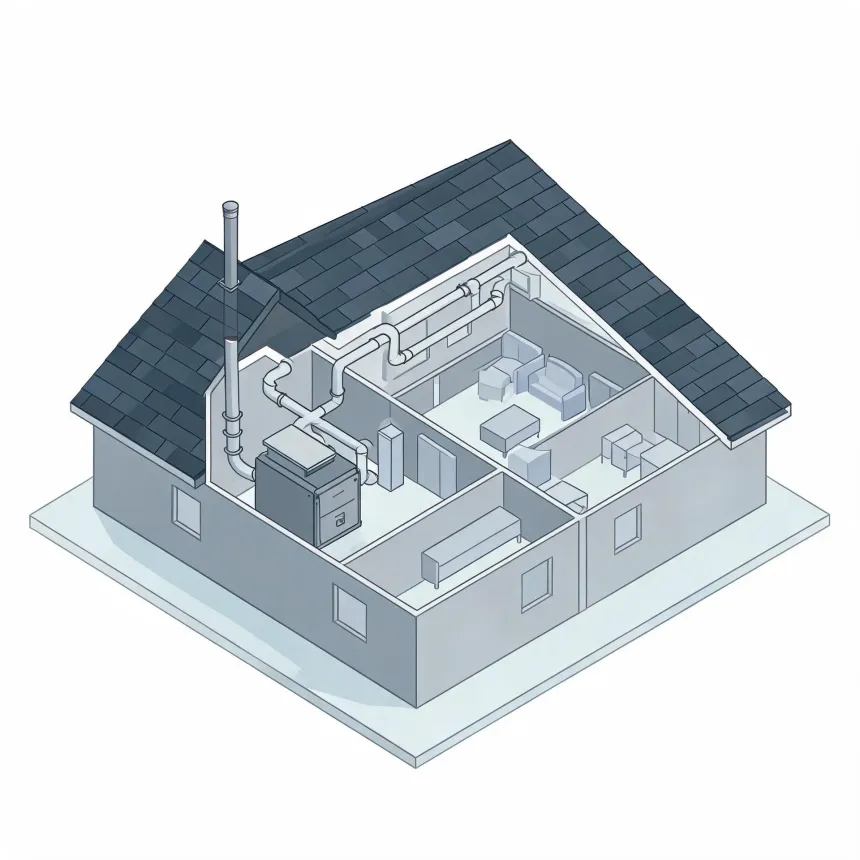
Isometric cutaway illustration of a single-story house with a dark shingled roof, showing interior rooms with furniture, ductwork, a flue pipe, and a furnace unit.
Your furnace works hardest from November through March.

NOAA nClimDiv, 1991–2020 normals

Furnaces in Waldoboro run from September through May, nine months of the year.

Nine months of work a year calls for a furnace sized right and installed right.

Get it done in August, before nine months of heat start in September

Heat runs September through May
Winter nights average 16°F
43 winter storms from 2015 to 2024
Oil CountryFuel oil and kerosene heat 56.5% of homes in Lincoln County.

Half the homes in Lincoln County were built in 1978 or earlier, half later. That split doesn't change what furnace goes in. A furnace is sized to the house it's heating, the square footage and the layout, not the year it was built. There's no case here for going bigger than the house calls for, or paying more for a size you don't need. A contractor sizing the job will size it to your house, same as anywhere else.

Efficiency pays here

Power costs more here, so an efficient system pays you back on every bill.

Find a contractor
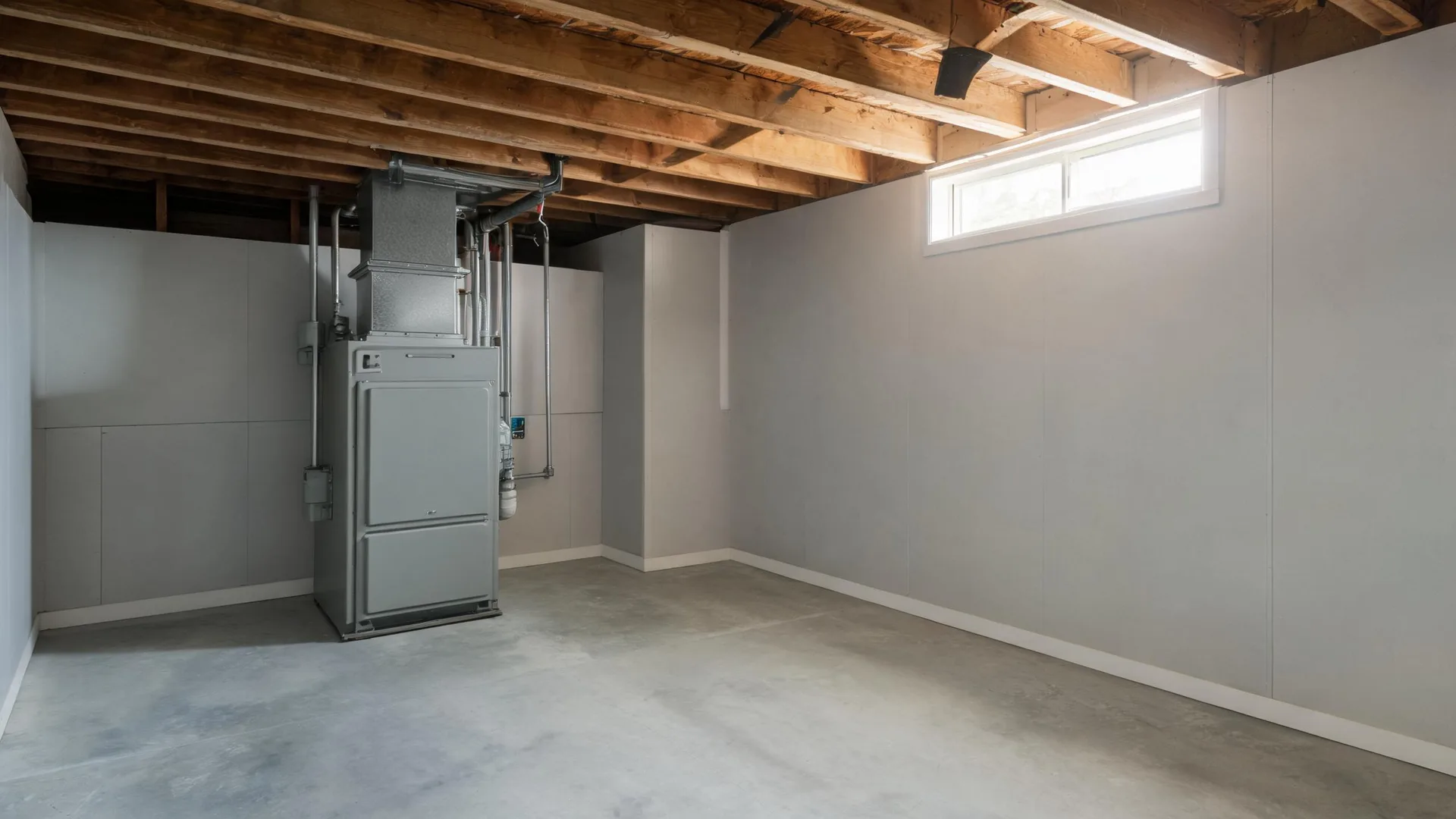
A gray residential gas furnace installed in an unfinished basement, connected to sheet-metal ductwork and PVC pipes.

Size it for the nine months it actually works

Get the load calculation done, not a guess based on the old furnace's size. Nine months of heat a year, with overnight lows averaging 16°F through December, January and February, means an undersized furnace never catches up and an oversized one short-cycles instead of running steady. Either way parts wear faster. Winter storms hit this county often enough that the furnace needs to start reliably on the coldest, iciest night of the year, not just on the mild ones.

The load calculation sets the price before anything else does

A contractor measures the house, the windows, the insulation, and comes back with a size. That size drives everything after it. A bigger furnace means a bigger blower, more ductwork capacity, sometimes a bigger gas line or vent pipe. You can't price the job until that number exists.
The duct system decides how much of the job is hidden

If the existing ducts can carry what the new furnace puts out, the installer connects to what's there. If the old ducts are undersized or leaky or built for a different kind of furnace, they get reworked before the new one ever gets wired in. That work is harder to see than the furnace itself, but it's often the bigger part of the job.

A load calculation looks at the whole house. Square footage, ceiling height, how many windows and which way they face, how much insulation is in the attic and walls. It doesn't look at what furnace is in there now. That matters because the old furnace might never have been sized right to begin with, and a contractor who just matches the replacement to the old unit carries that mistake into the new one. The calculation also accounts for things a tape measure alone won't catch, like how much of the house sits below grade or how many exterior walls a room has. Houses that look alike on paper can still call for different sized furnaces once those details are counted. The number that comes out of it is what the rest of the job is built on.

The old furnace comes out first. The installer disconnects the gas or oil line, the vent pipe, the duct connections, the wiring, then carries it out. If the new furnace is a different size, duct and vent connections may need to be refitted rather than just hooked back up. Setting the new unit means leveling it, connecting the gas or oil supply, hooking up the vent pipe, tying into the ductwork, and wiring it to the thermostat. Once it's in, the contractor fires it up and checks the flame or ignition, checks for gas leaks or exhaust leaks, and confirms the blower moves air the way it should. The last step is watching it run through a full cycle, start to shutoff, before calling it done.