
Heat pump vs furnace in Lincoln County, Maine

Talk to a Local Pro

Quotes on either system

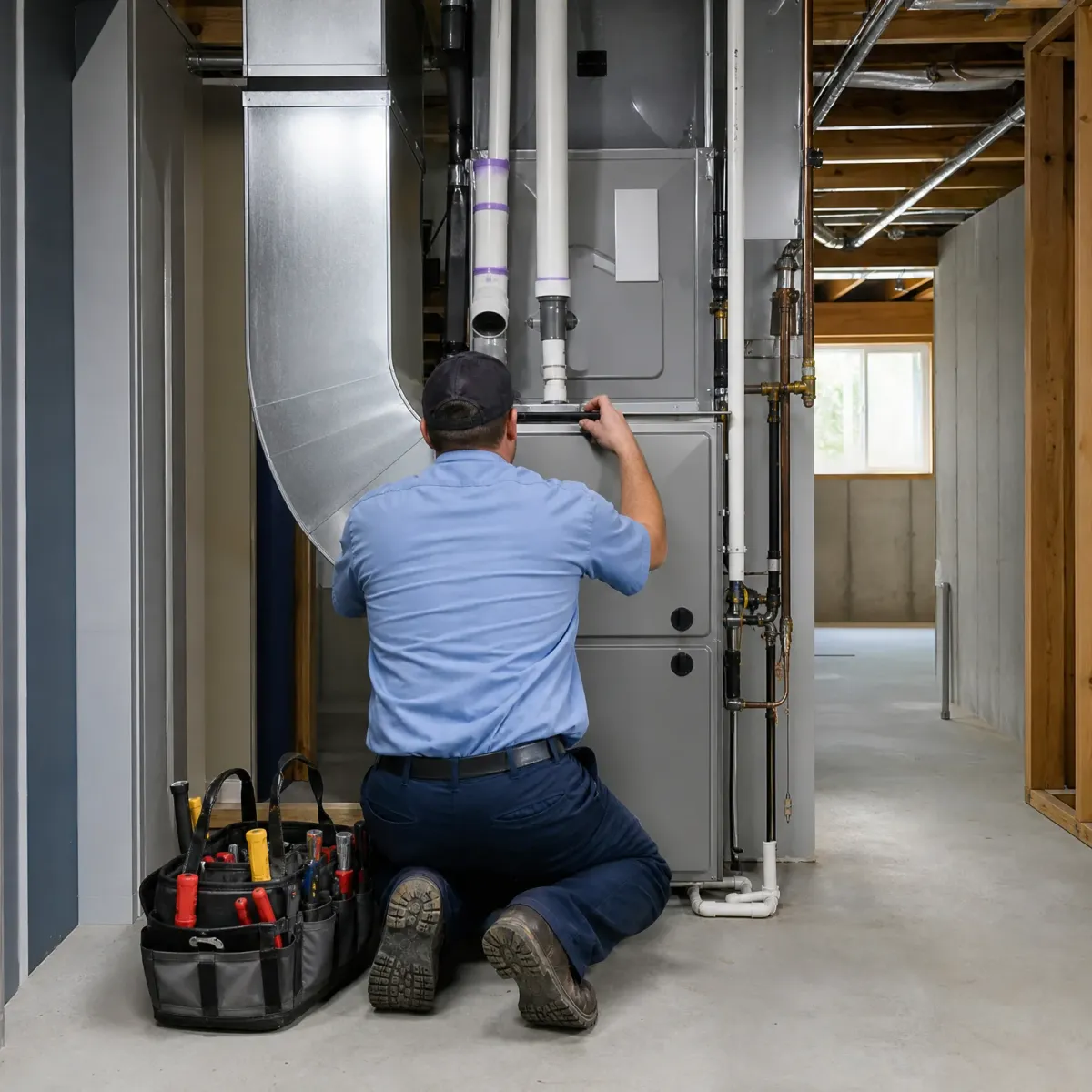
A man in a blue shirt and cap kneels on a concrete floor working on a gray furnace unit with ductwork and PVC piping in an unfinished basement, with an open tool bag beside him.

Tell us about the job

Takes about a minute. No obligation.

New system or replacementLincoln County, ME
Step 1 of 3

What kind of equipment?

Which costs less to run in Lincoln County?

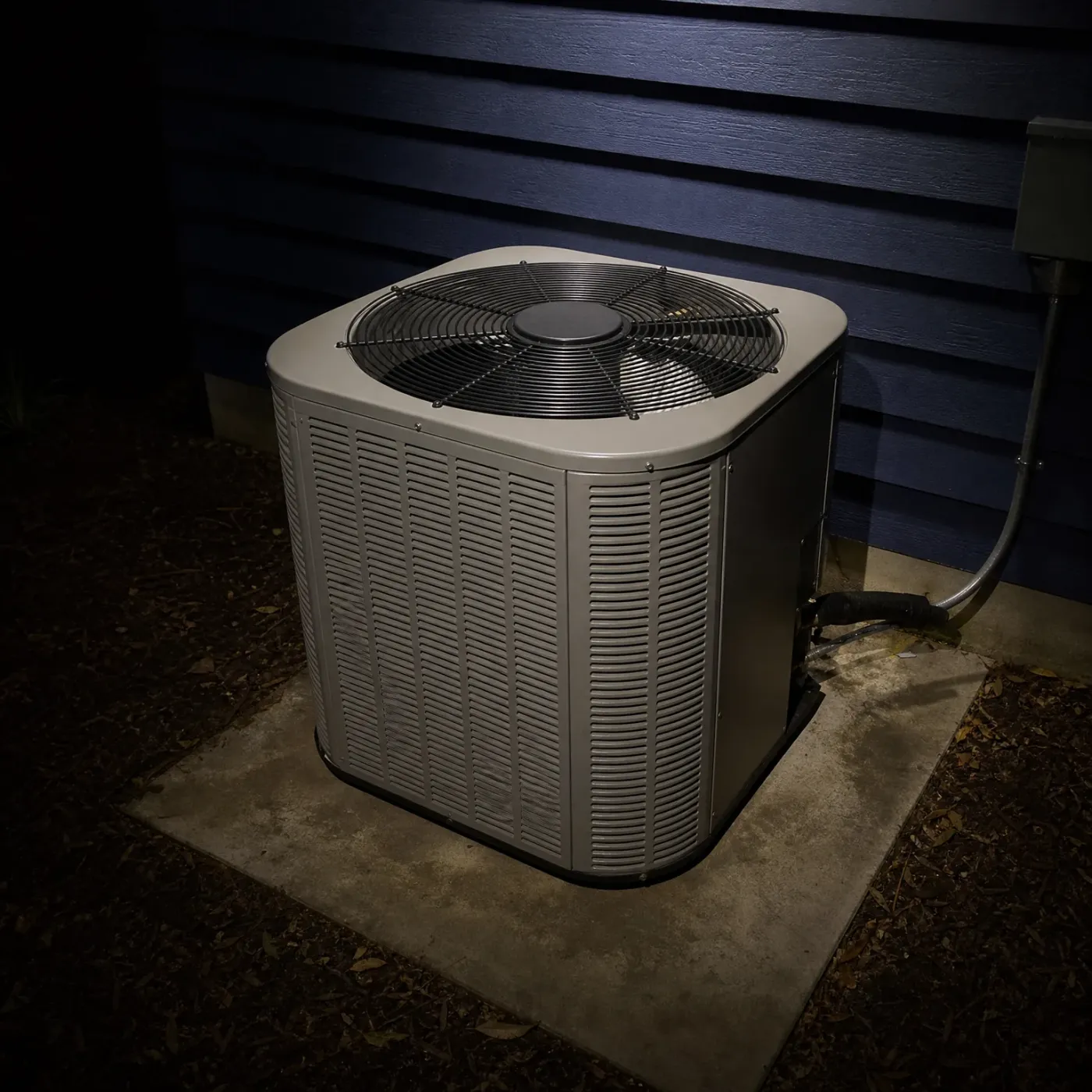
An outdoor air conditioner condenser unit with a top-mounted fan sits on a concrete pad beside a dark blue lap-sided wall at night, with refrigerant lines and conduit running to the wall.

Heat pump

To heat your home here$3.24per 100,000 Btu

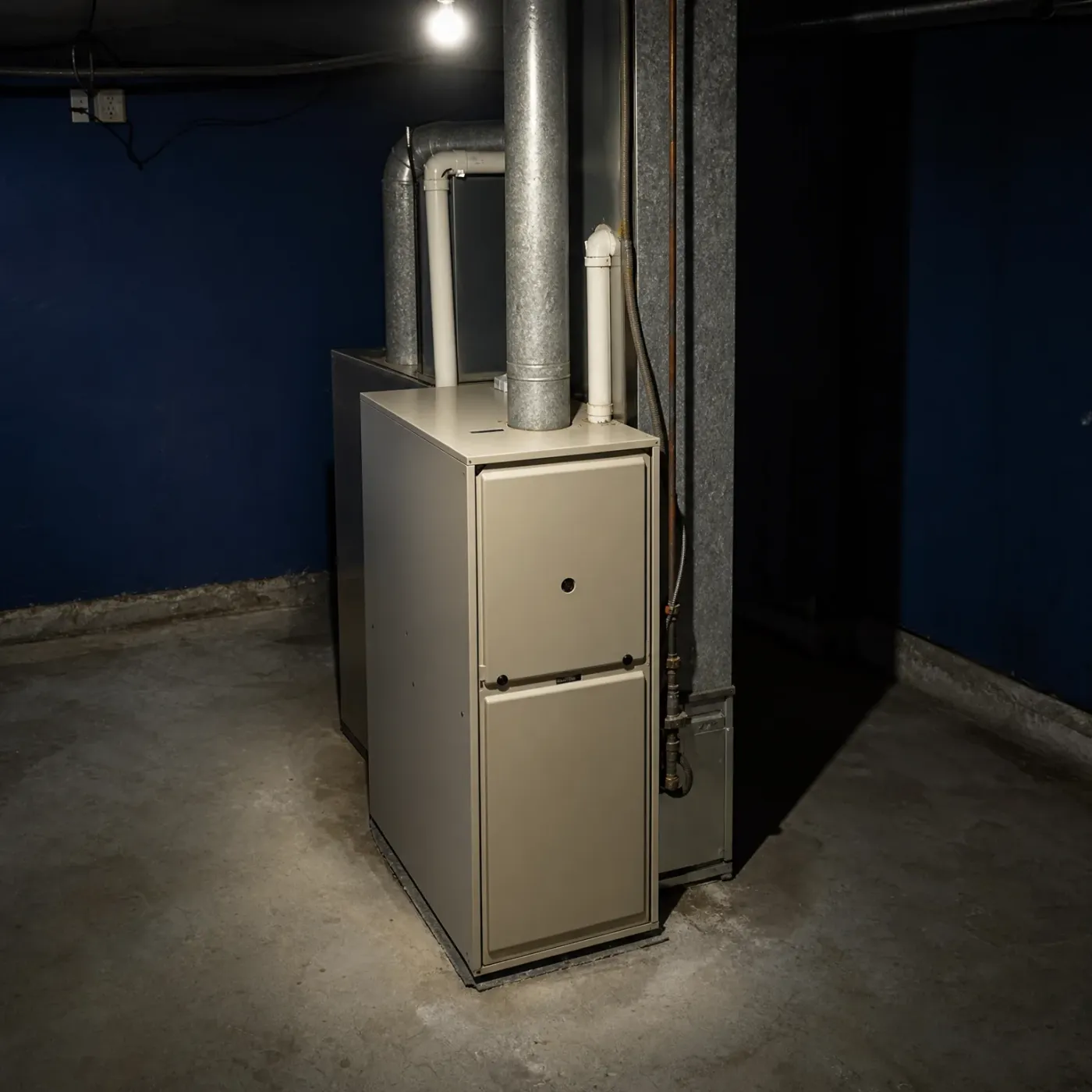
A beige residential gas furnace with metal ductwork and PVC vent pipes stands on a concrete basement floor beside a blue-painted wall and a support column.

Furnace

To heat your home here$2.27per 100,000 Btu

At Maine's gas and electricity prices, a gas furnace makes the same heat as a heat pump for at least 29% less.

Btu stands for British thermal unit, the standard measure of heat energy.

Where does a heat pump shine?

  • Heats and cools in one system

    One machine handles the heat in winter and the cooling in summer. There's no second system to buy or keep up.

    A cream sofa with blue and striped cushions and a blue knit throw sits beneath a multi-pane window with pale blue interior shutters overlooking a garden, with a rustic wood coffee table, potted plant, and dark blue panelled door nearby.
  • Steady, even comfort

    It eases up and down with the weather. There are fewer swings between too warm and too cool.

    A living room at dusk with a lit wood stove in a dark fireplace surround, a navy armchair with a blue throw and open book, a window seat with cushions, a lit floor lamp, and a tan dog sleeping on a cream shag rug.
  • No gas line, nothing burning in the house

    There's no gas line to the unit and no flame anywhere in it. Carbon monoxide isn't part of the picture.

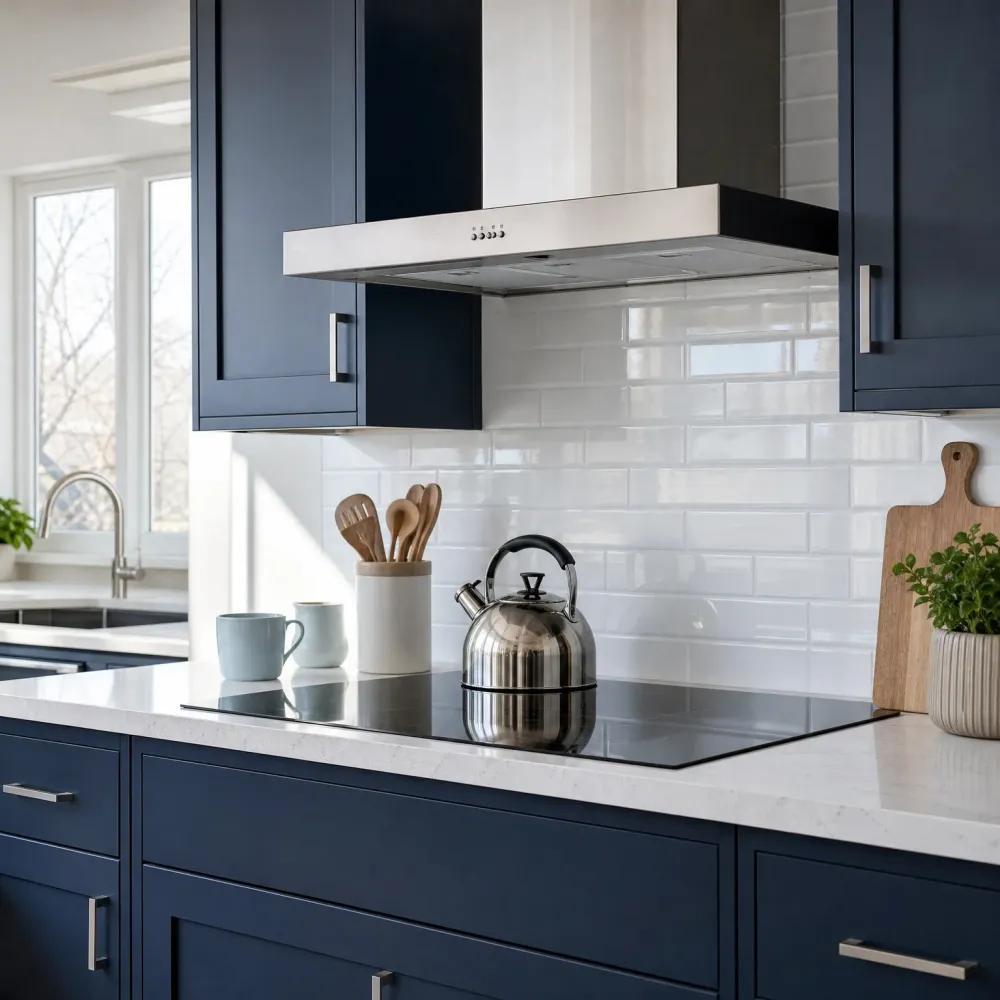
    A kitchen with navy blue cabinets, white countertop, white subway tile backsplash, a stainless steel range hood above a black induction cooktop with a metal kettle, plus mugs, a utensil crock, a cutting board and a potted plant.

Where does a furnace shine?

  • Strong, steady heat in hard cold

    Overnight lows in Lincoln County average 16°F through December, January and February. A furnace holds the same steady heat output on those cold nights, so the house doesn't lose ground when the temperature drops.

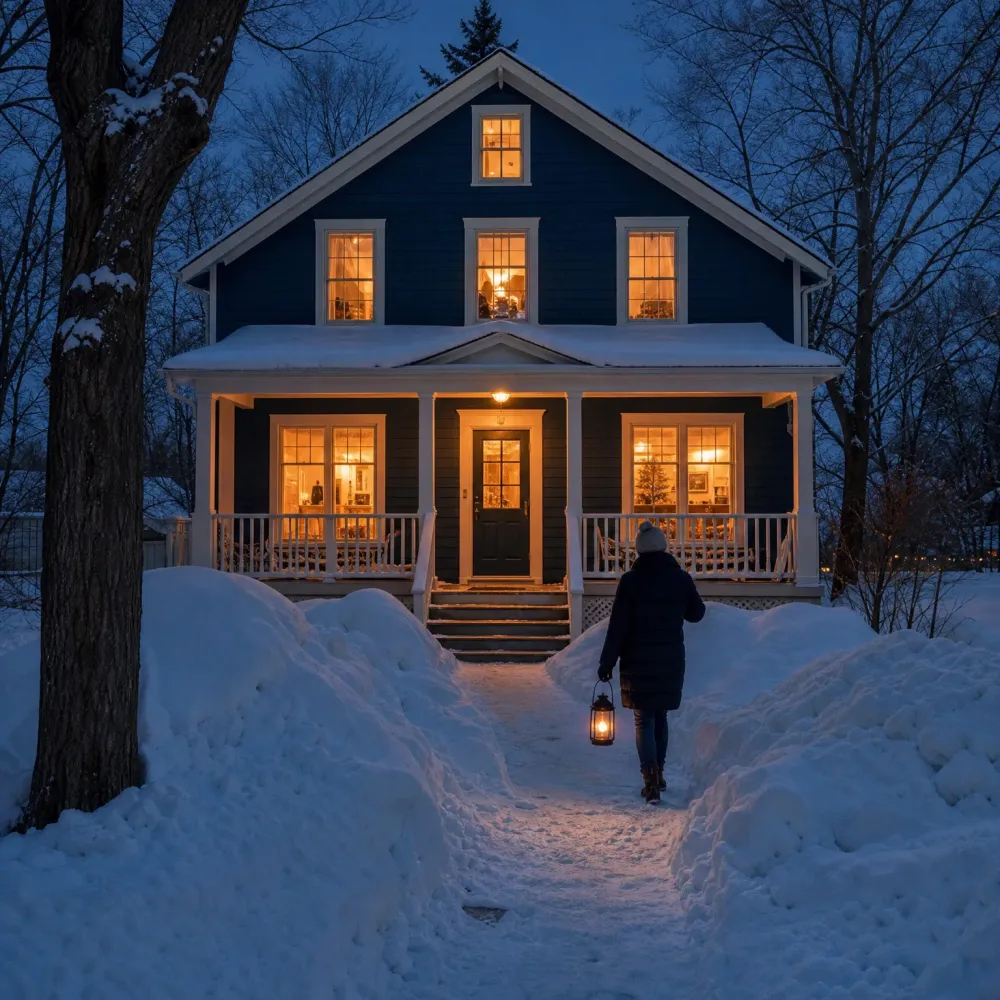
    At dusk, a person in a dark coat and knit hat carries a lit lantern up a shoveled snow path toward a dark blue two-story house with white trim, a covered porch, and warmly lit windows, flanked by bare trees and deep snowbanks.
  • Proven, simple, easy to get serviced

    The design is simple and well understood. That keeps service calls short.

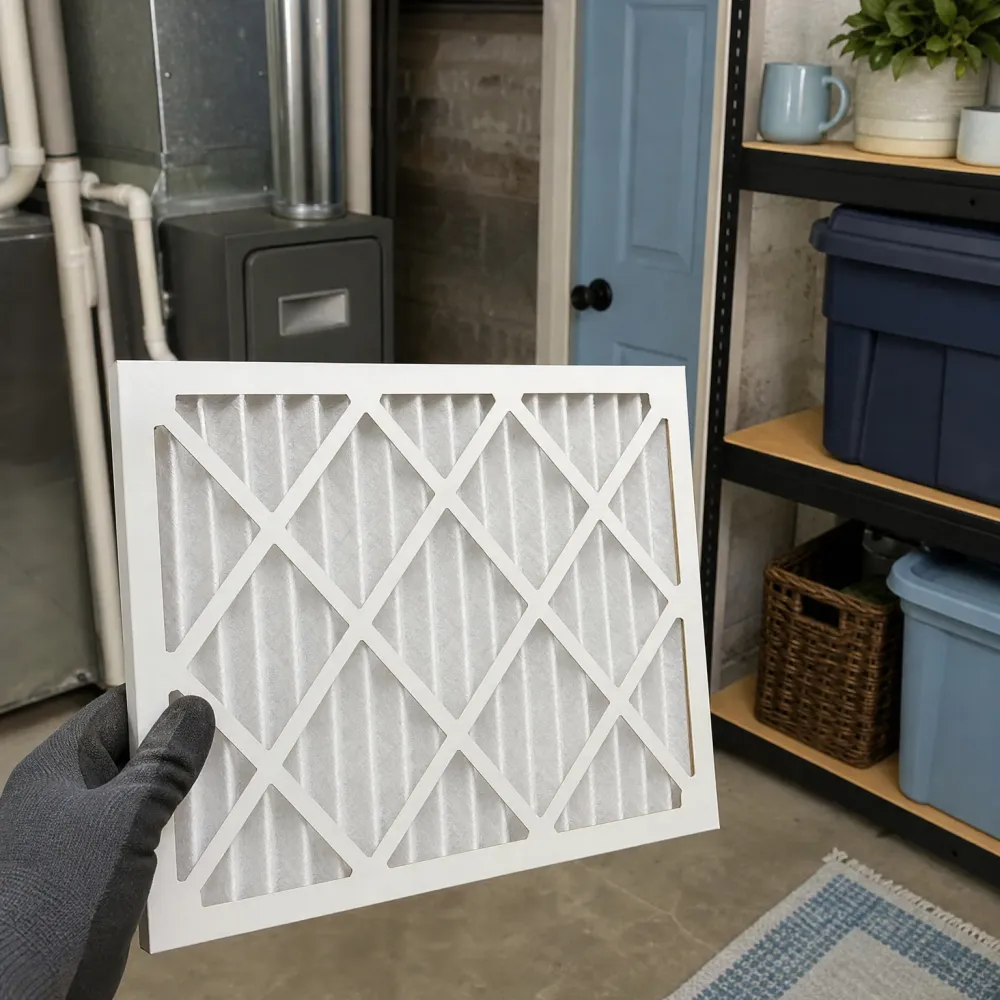
    A gloved hand holds a white pleated air filter in a basement with a furnace, pipes, a blue door, and shelving holding storage bins and potted plants.
  • Pairs with any central AC

    A furnace's blower and ducts carry cooled air too. Adding central AC uses the same system.

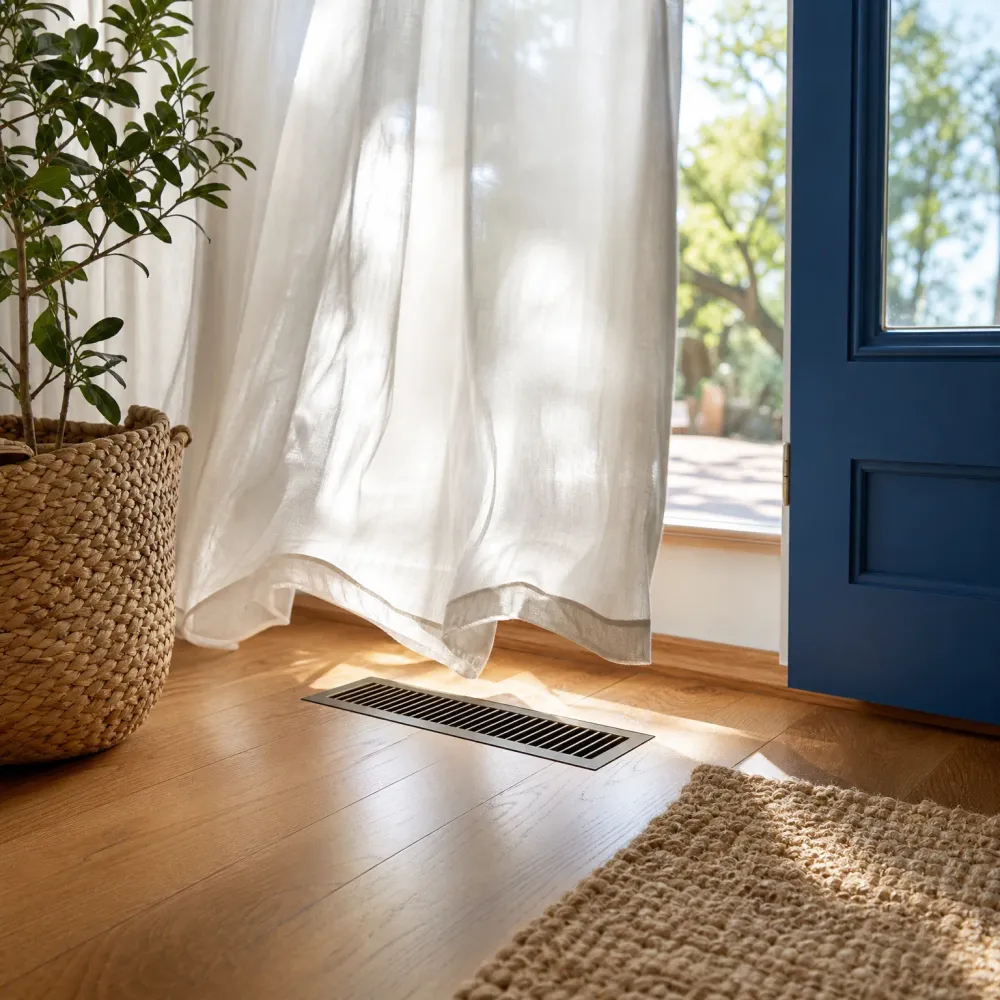
    A linear metal floor vent set in a wood plank floor near an open blue door, with a sheer white curtain, a woven basket holding a plant, and a woven rug.

What winter here actually costs you

Heat runs nine months a year in Lincoln County, September through May, and for more than half of that time, about 145 nights a year, it's at or below freezing. That's the case a furnace has to make for itself here. A gas furnace makes 100,000 Btu of heat for $2.27, an oil furnace for $2.86, and a heat pump built to the federal minimum for $3.24. Gas is cheapest, but almost nobody here has it: utility gas heats 1.7% of homes in this county. Oil heats 56.5% of them, and at $2.86 against the heat pump's $3.24, it stays the cheaper fuel to run.

The harder question isn't price, it's whether a standard heat pump can keep up. Below 40°F its heating output drops under its rating. Below about 35°F it often needs backup heat to cover the rest. The average overnight low here in December, January and February is 16°F, under both marks, and every one of those 145 freezing nights is too. That doesn't mean the heat pump stops. It means on a lot of winter nights here, a standard one isn't carrying the house on its own.
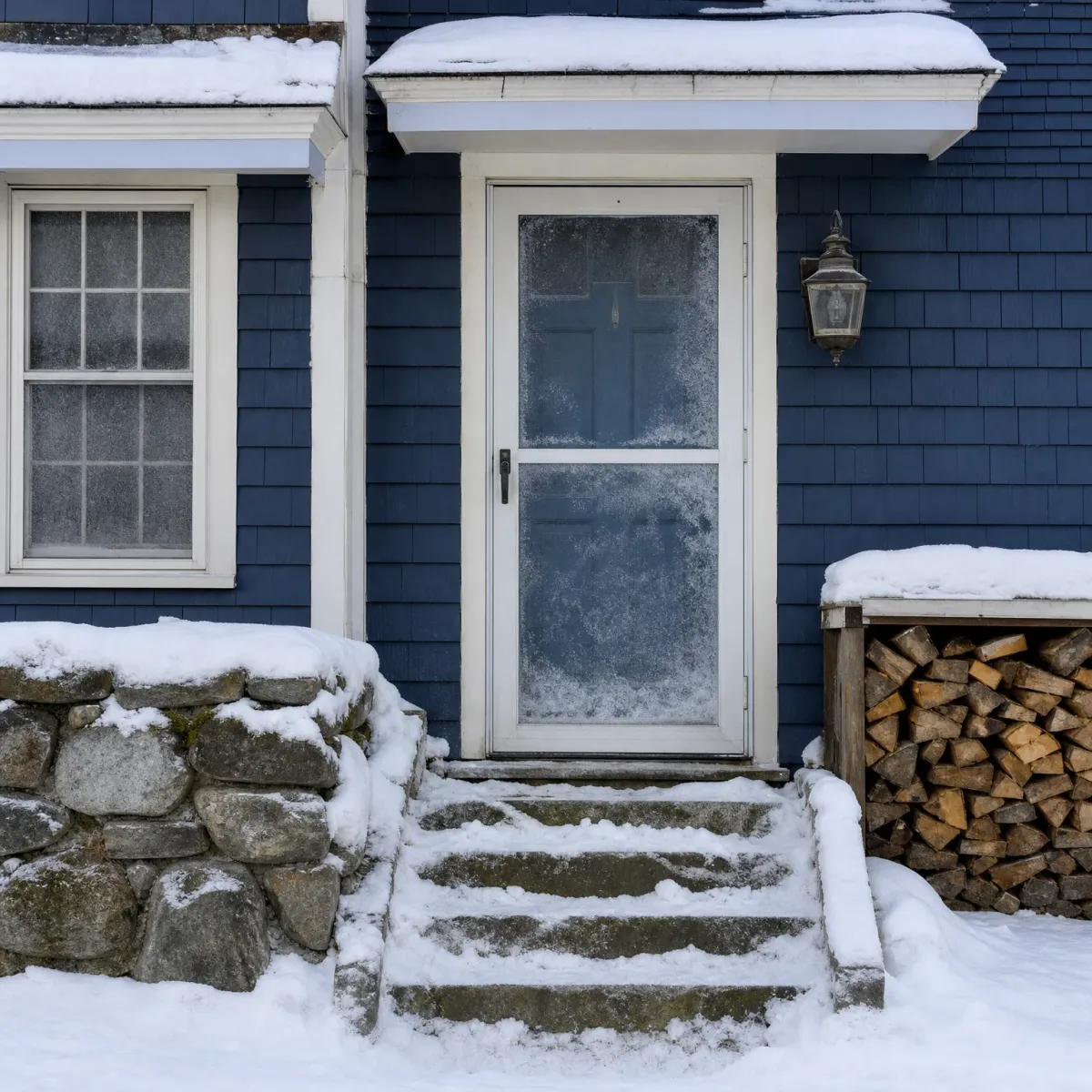
Snow-covered stone steps lead to a white storm door on a navy blue shingled house, with a stone retaining wall at left and a stacked firewood rack at right.

Where a heat pump still makes sense

A heat pump built to the ENERGY STAR Cold Climate spec is a different machine in cold weather. To earn that rating it has to deliver at least 1.75 units of heat per unit of electricity at 5°F, and hold onto 70 percent of its 47°F capacity at that same temperature, checked by outside testing. In a two-winter study of these cold-climate units running in real homes, backup heat covered only a small share of the load between 0°F and 35°F, and the units running on backup alone was rare even above 0°F. Lincoln County sees 0°F or below about 8 nights a year, a small slice of the 145 freezing ones. A cold-climate heat pump is built for nights like that.

It also does something no furnace does: it cools. Summers here are short, July and August, but a heat pump is one system for both seasons instead of a furnace that sits idle those two months plus whatever a separate AC costs to run alongside it. If a house already has ductwork and central air, a furnace is the cheaper machine to run and the one most of this county already relies on in some fuel or another. If a house needs cooling anyway, or the oil or propane lines are something you'd rather not keep up, a cold-climate heat pump is built to handle the cold here, not just the mild stretches of it.

Sources: NOAA nClimDiv · NOAA 1991–2020 seasonal normals · Census ACS 2020–2024 · PNNL Building America guide · PNNL-37127 field study · ENERGY STAR product criteria · EIA SEDS 2024 · 10 CFR 430.32

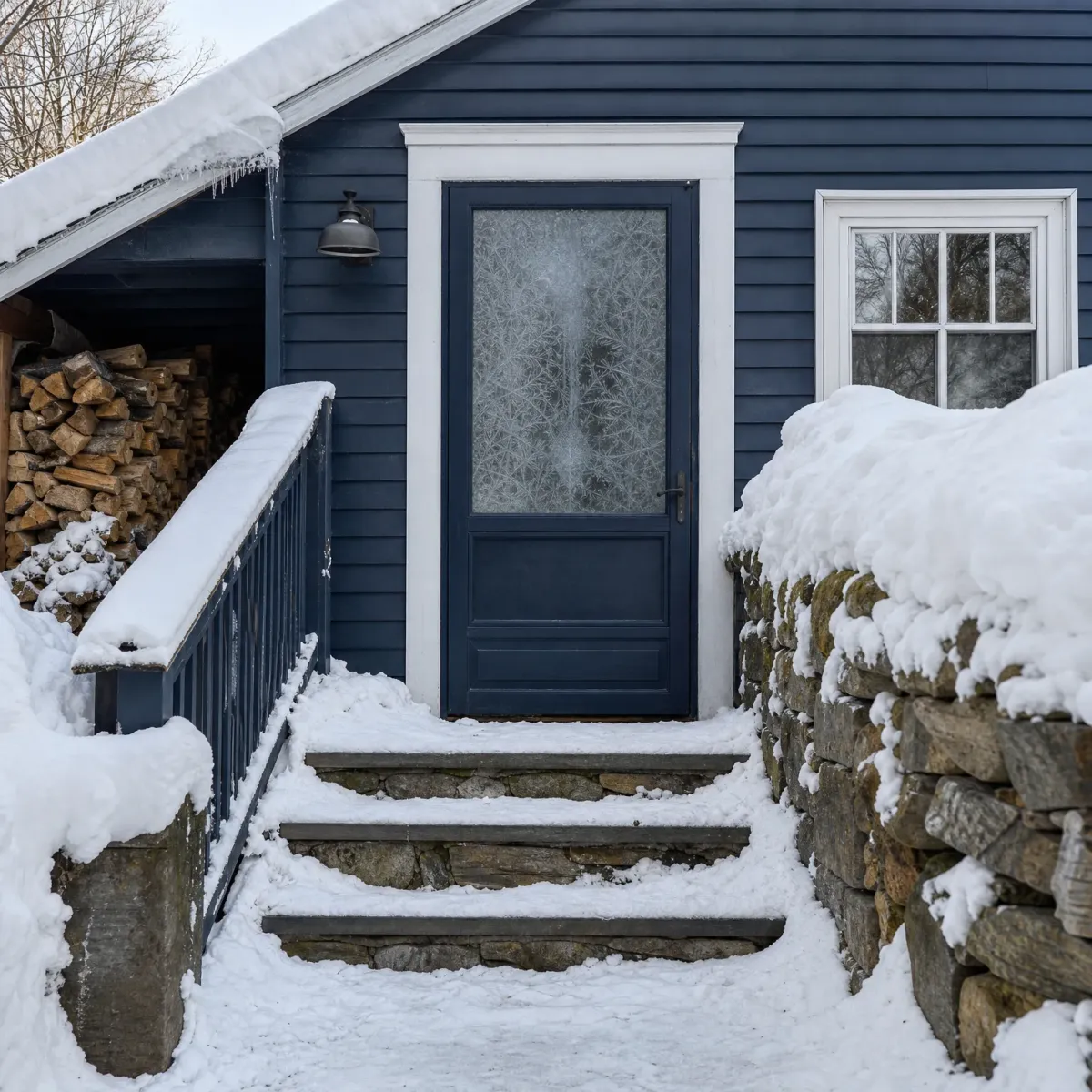
Snow-covered stone steps lead to a frosted-glass door on a dark blue clapboard house, flanked by a snow-topped dry stone wall, a metal railing, and a stacked woodpile under an adjoining roof.

Common questions about heat pumps and furnaces

  • Can a heat pump heat a house through a Maine winter?

    Yes, a cold climate model can carry a Lincoln County winter on its own. To earn the ENERGY STAR Cold Climate label, a heat pump has to keep at least 70% of its heating capacity and still produce 1.75 units of heat per unit of electricity at 5°F, verified by outside testing. Field tests of cold climate models in occupied homes found backup heat covered only a small share of the heat between 0°F and 35°F, and the county sees 0°F or below on about 8 nights a year. A standard heat pump, not built for cold climates, is a different story and will lean on backup heat much more over a winter here.

  • Do I need backup heat with a heat pump here?

    Most homeowners keep one. A standard heat pump's output starts falling short of its rating below 40°F, and it often needs backup below about 35°F. The average overnight low here in December, January and February is 16°F, and over half the nights in the heating season drop to freezing or below, so that backup source gets used.

  • What if my house doesn't have a gas line?

    Most houses here don't have one, so it isn't really a factor. Only 1.7% of homes in Lincoln County heat with utility gas. Oil and propane are the common fuels in this county, and a heat pump is the other option if you'd rather not run a fuel tank at all.

  • What if my house heats with oil or propane?

    That's the common setup here, and you don't have to give it up to add a heat pump. Oil heats 56.5% of homes in this county and propane another 18.3%. A lot of homeowners keep the oil or propane furnace for the coldest nights and run a heat pump the rest of the heating season, since oil at $2.86 per 100,000 Btu and propane both beat a heat pump's $3.24 on their own, but the heat pump still earns its keep by covering the milder months and adding air conditioning.