



What the cold actually does to a heat pump here
Winter nights in Waldo County average 14°F, and that is the number that matters for this choice. A standard heat pump starts losing ground below 40°F and often needs backup heat below about 35°F. Here, every single night that drops to freezing or below, about 160 of them a year, is already past both marks.
That is not a cold snap you plan around. Heat runs nine months a year in this county, September through May, and more than half of those nights are at or below freezing. A heat pump is working below its rating for most of the season it is asked to carry.
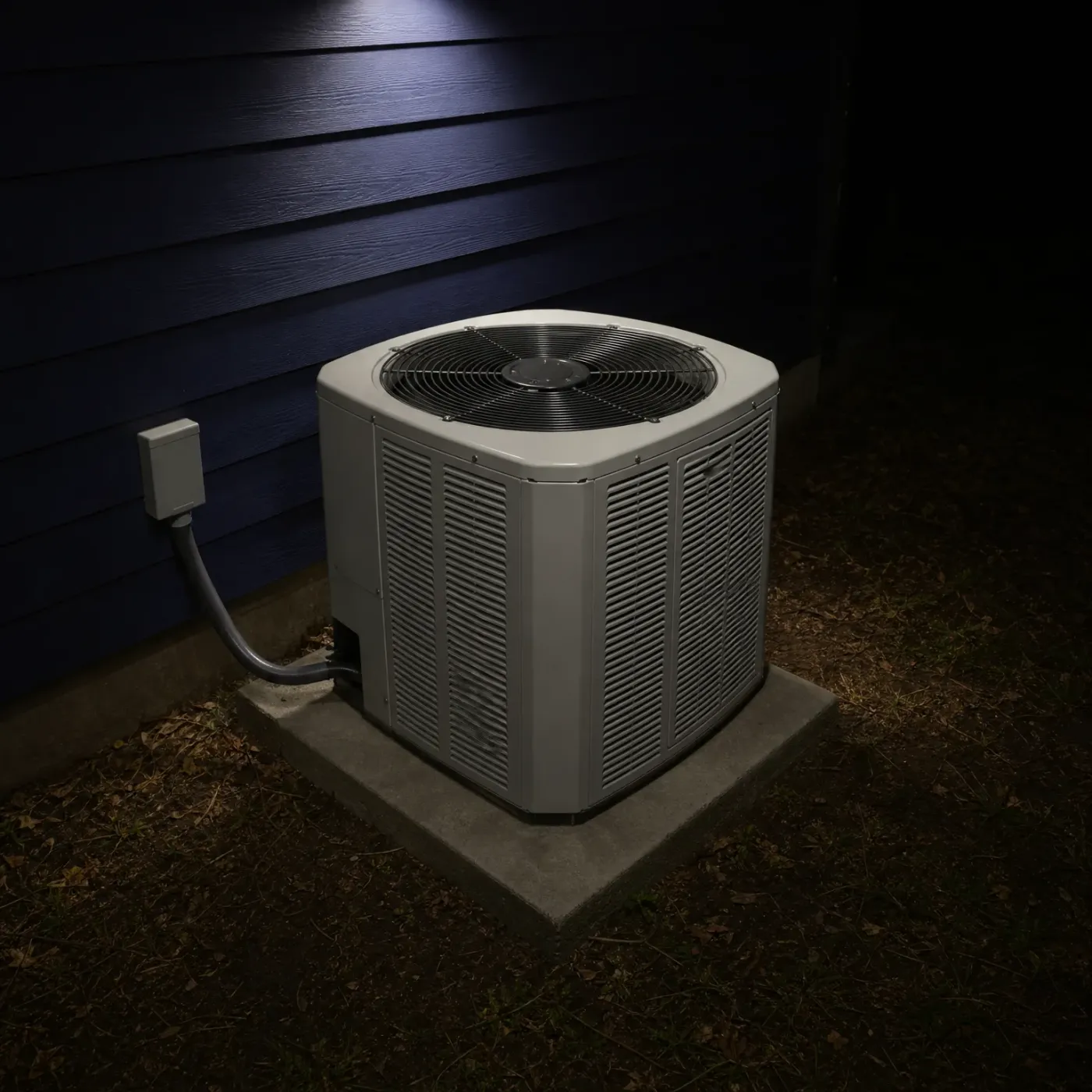
The seventeen nights a year that hit 0°F are the extreme case, not the typical one. The typical one is 14°F, most nights, all winter. A cold climate heat pump, the kind built and tested to hold its output at 5°F, is a different machine from the standard kind, and the difference matters far more here than it would somewhere milder. A field test of those cold climate units found backup heat covered only a small share of the load between 0°F and 35°F, and running on backup alone was rare even above 0°F. A standard heat pump without that rating does not have that backing.
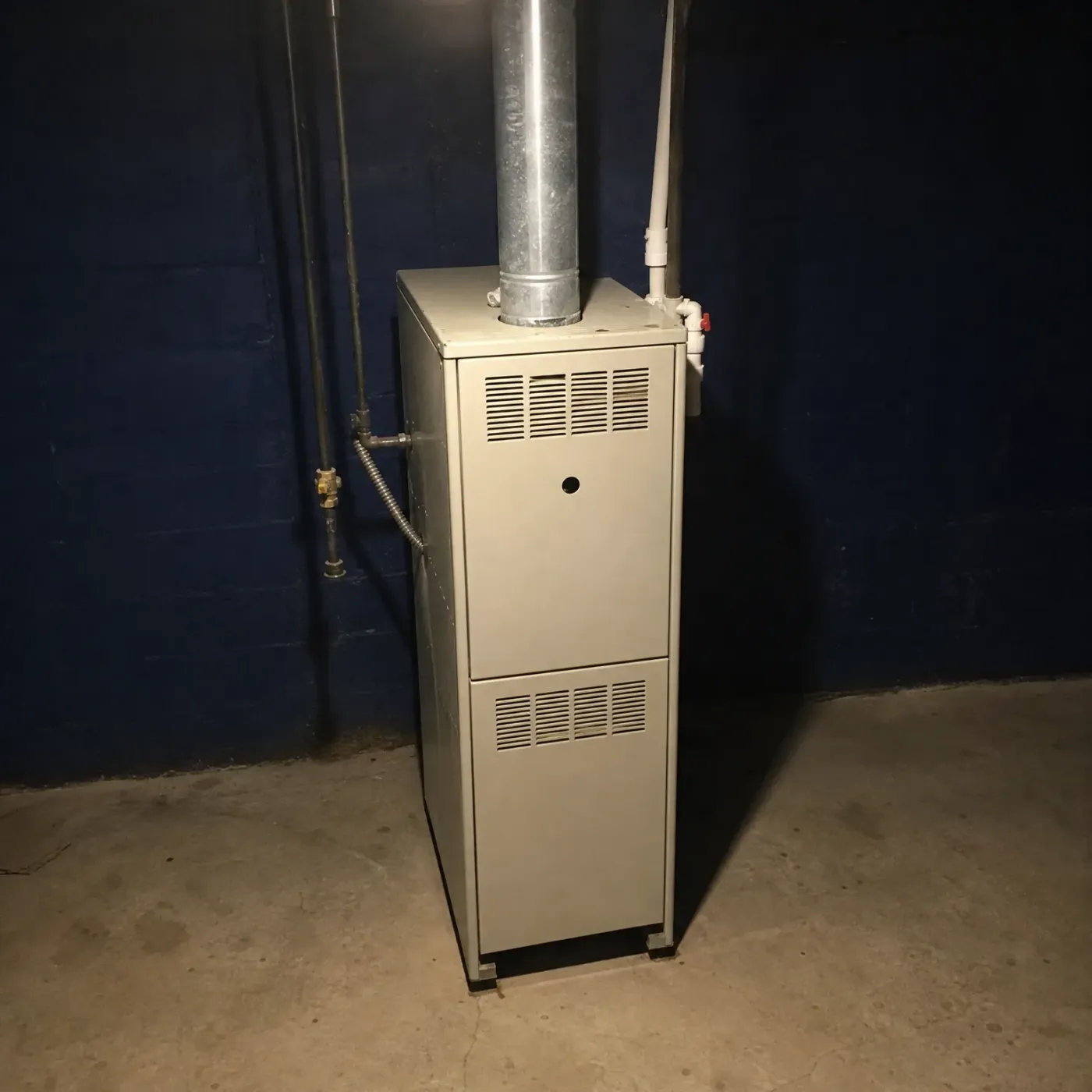
None of this means a heat pump cannot heat a Waldo County house. It means whichever one goes in has to be sized and rated for 14°F nights, not just the mild ones, and the furnace or other backup behind it has to be real, not an afterthought.