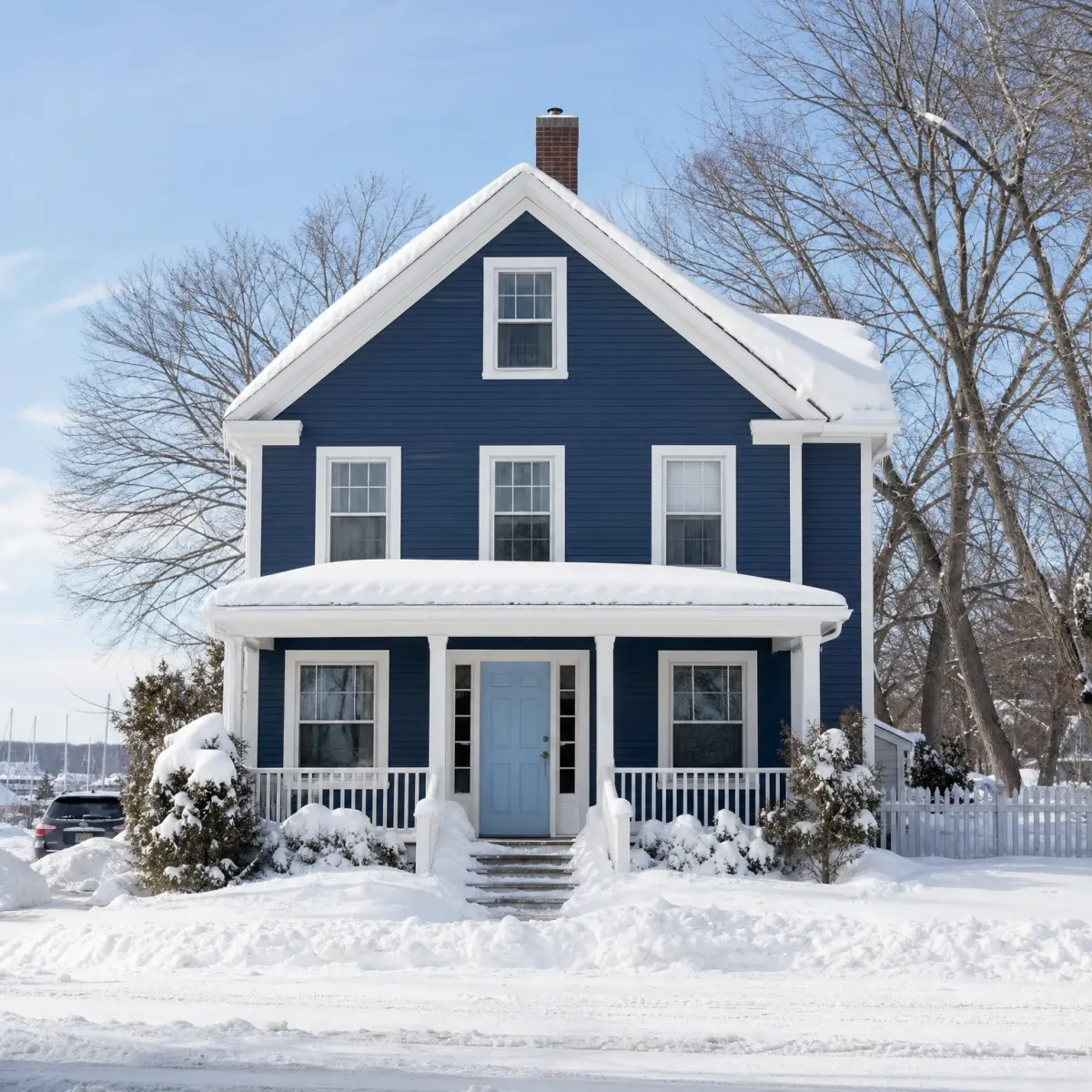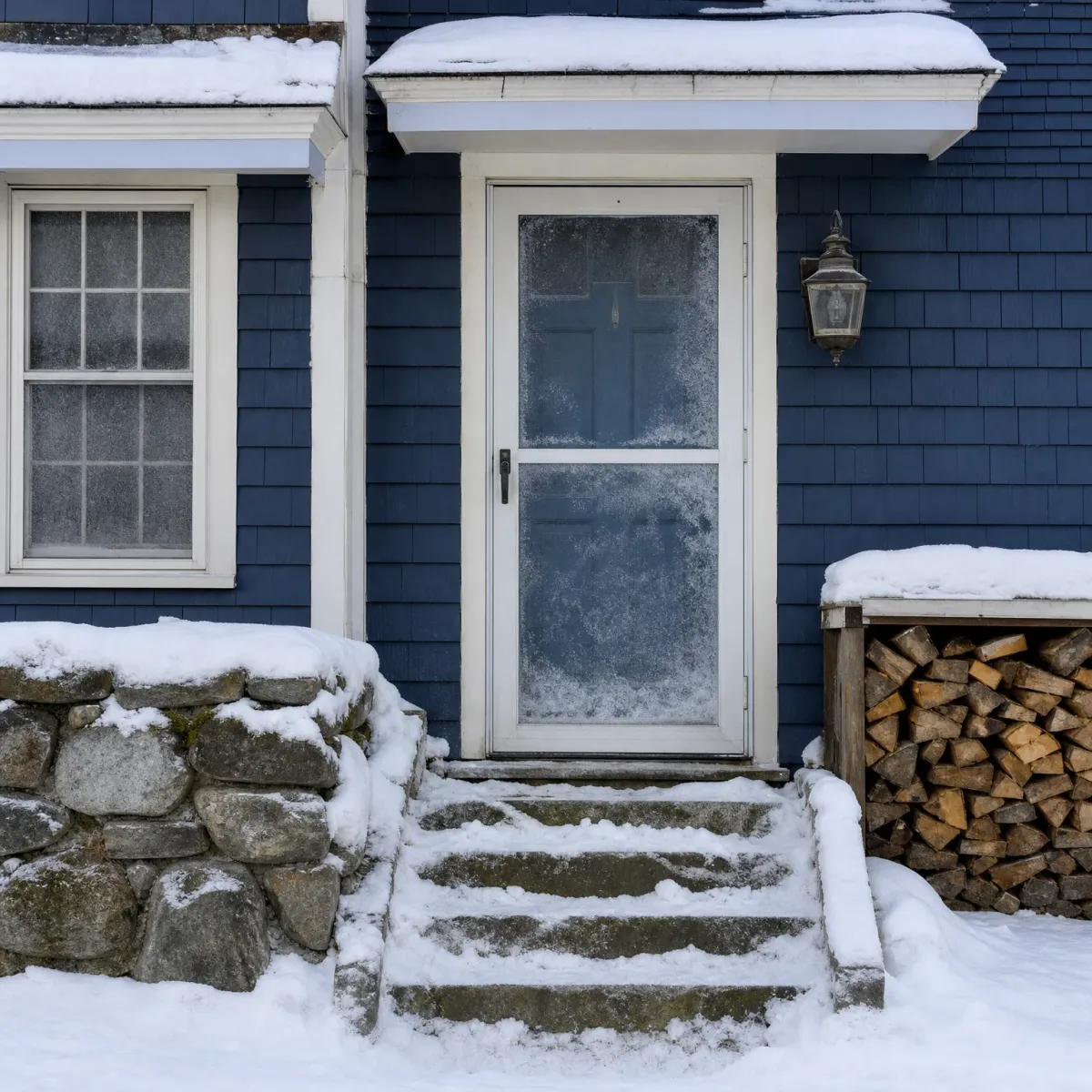





Why winter here is the real question
The heat runs about nine months a year in Cumberland County, September through May, so whichever machine you pick spends most of its life heating, not cooling. That is the part of this decision worth the most attention.
The overnight low here averages 15°F across December, January and February. It drops to freezing or below on about 155 nights a year, over half the nights the heat is even running, and down to 0°F or below on about 11 of them. A standard heat pump starts losing capacity below 40°F and often leans on backup heat below about 35°F. By that measure, every single one of those 155 freezing nights falls in the range where a standard heat pump is not running at full strength.
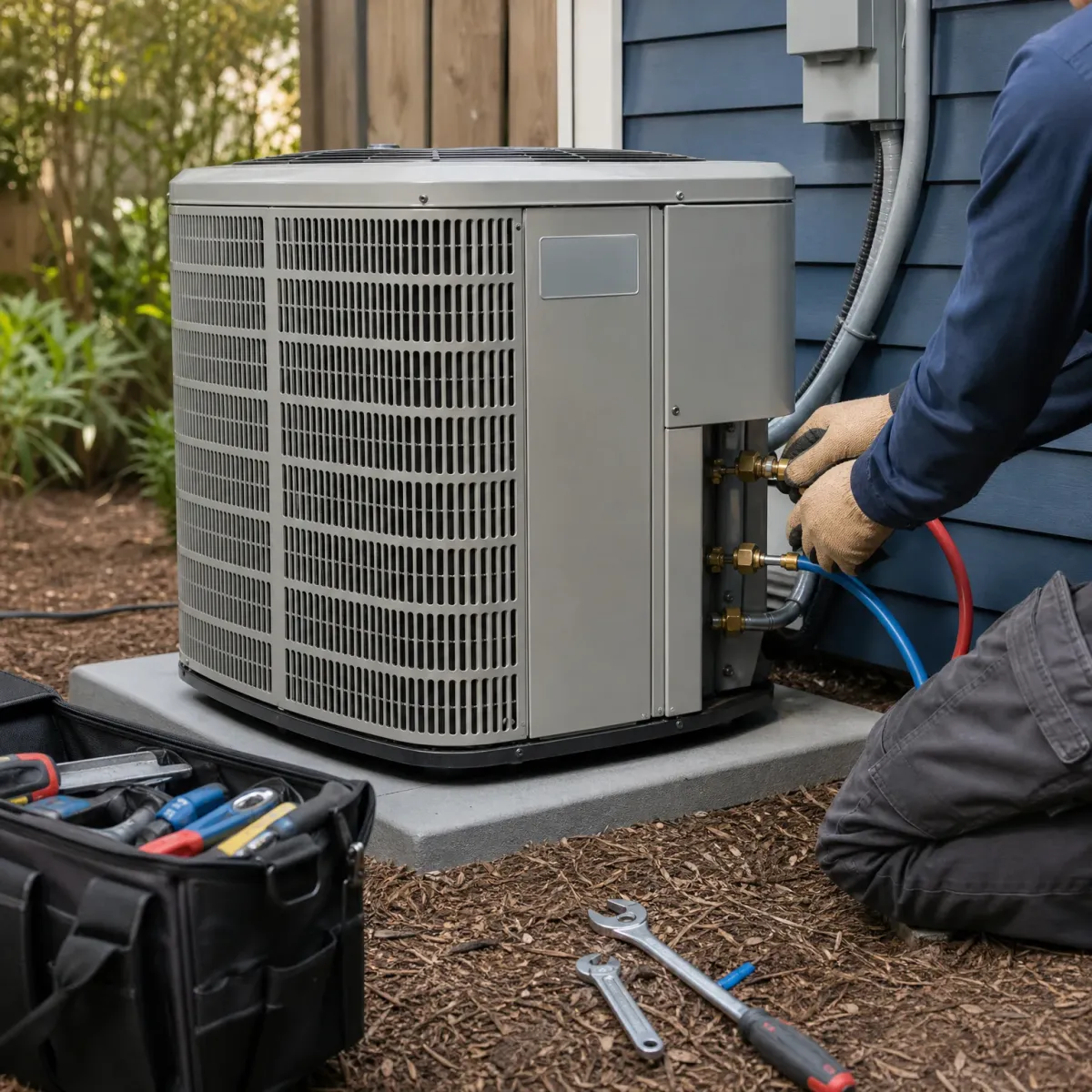
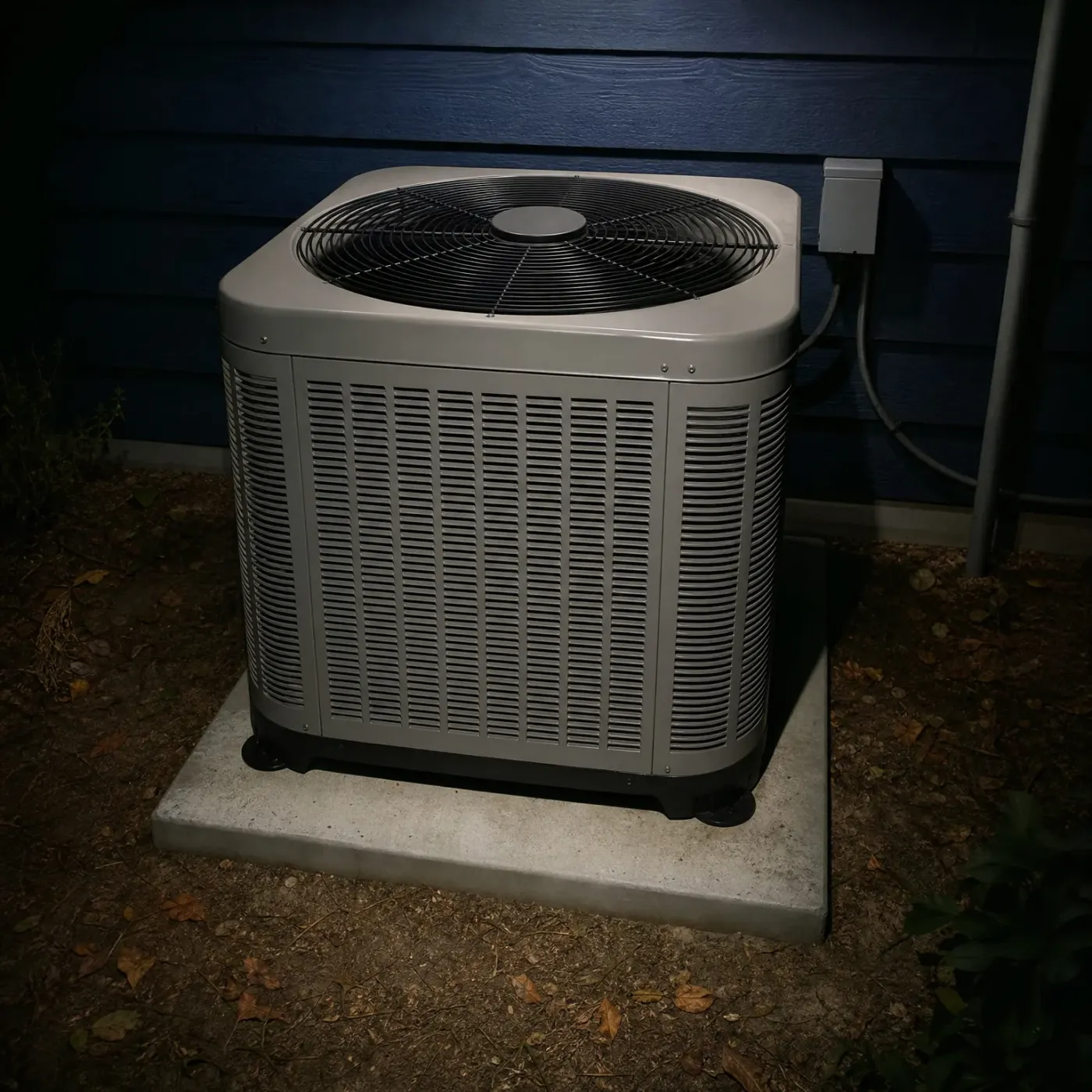
That does not mean the heat pump fails on those nights. A cold climate heat pump, the kind certified to still deliver 1.75 units of heat per unit of electricity at 5°F and hold on to most of its rated output at that temperature, is built for exactly this. Field testing on prototype cold climate units found backup heat covering only a small share of the load between 0°F and 35°F, and running on backup alone was rare even above 0°F. The number worth checking before buying is whether a given model carries that certification, not just whether it is labeled for cold climates.
Cost runs the other way. At Maine's prices, a gas furnace makes 100,000 Btu of heat for $2.27, an oil furnace for $2.86, and a heat pump built to the federal minimum for $3.24, with nothing added for backup heat on the coldest nights. Gas is cheapest, oil is next, the heat pump is priced highest of the three, and that gap holds before factoring in whatever a furnace burns on the nights a standard heat pump needs backup.