A row of illuminated white colonial houses with black shutters and a stone wall along a road at dusk.

Mini Split Installation in Bangor, ME

Tell us about the job

Takes about a minute. No obligation.

New system or replacementMini-splitPenobscot County, ME
Step 1 of 2

What ZIP code is the job in?

The rating is about efficiency, not how much heat or cold it can deliver

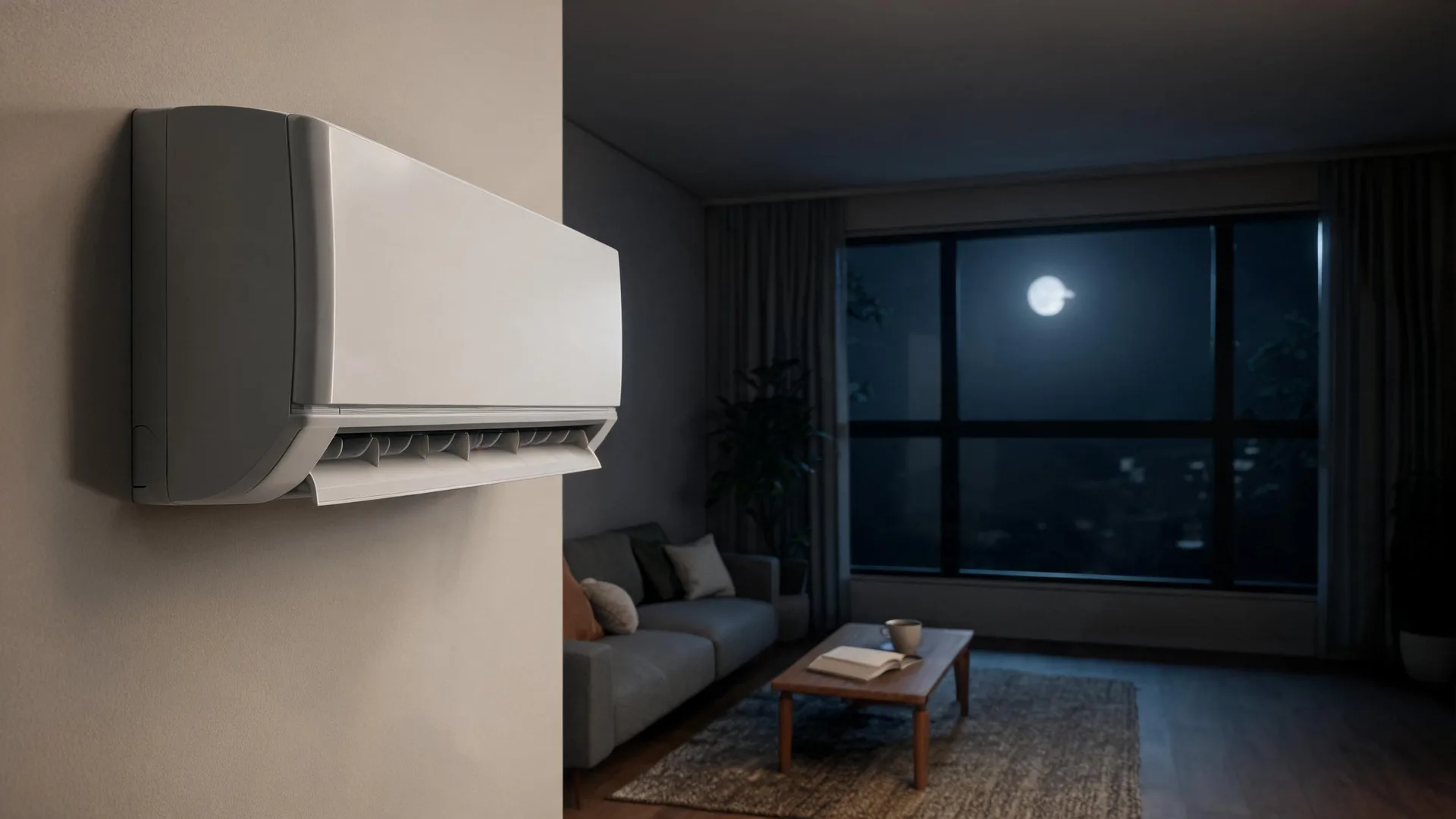
A mini split's efficiency rating tells you how much work it gets out of the electricity it uses. It has nothing to do with the size of the space it can heat or cool. A unit with a high rating that's too small for the room still won't keep up, and one that's oversized will cycle on and off instead of running steady. The rating and the sizing are separate questions, and both matter.

A higher rated unit costs more to buy and less to run

Mini splits with higher efficiency ratings use less electricity to produce the same heating or cooling, so the running cost is lower over the life of the system. They also tend to cost more upfront than a lower rated model. Weighing the purchase price against the running cost, and against how much the system will actually be used, is part of picking the right one.

9 months
September through May, your system heats
1 months
July through July, it cools
10°F
the average winter night it heats against
77°F
the average summer afternoon it cools against
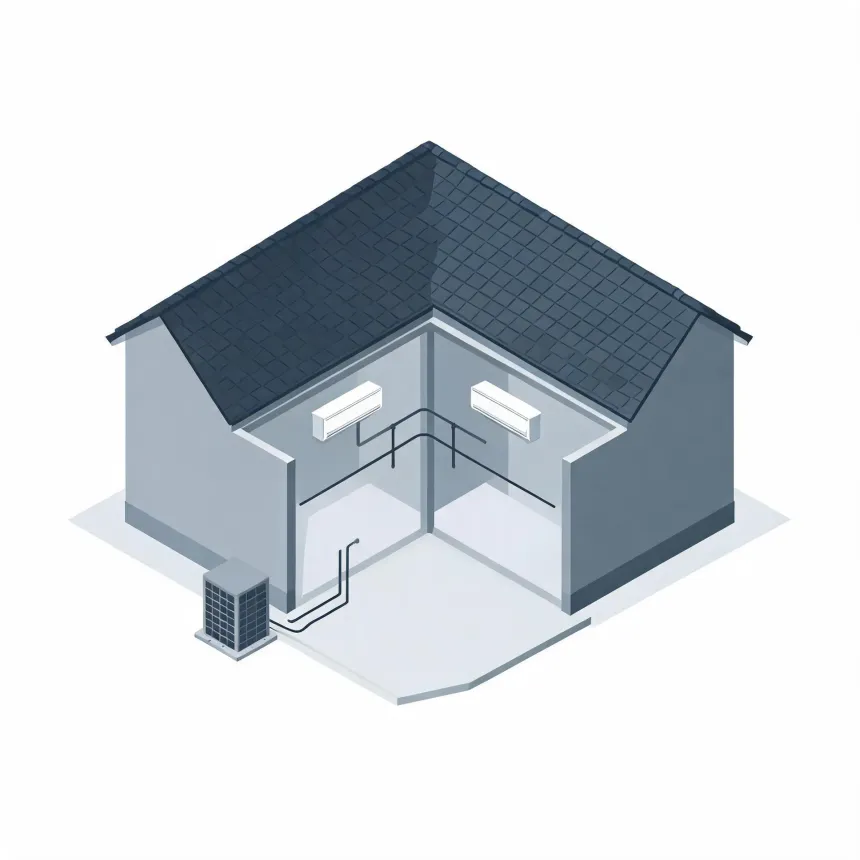
Isometric illustration of a cutaway gray house with a dark shingled roof, showing two wall-mounted indoor air conditioning units connected by piping to an outdoor condenser unit on the ground outside.
Your system heats September through May and cools July through July.

NOAA nClimDiv, 1991–2020 normals

Electricity in Maine runs 24.29 cents per kilowatt-hour, well above the national average.

A mini split with a solid efficiency rating earns back the higher price faster here than in places with cheaper power.

A standard mini split is the right call here

Half the homes here were built by 1977
Cooling runs July through July
Summer afternoons average 77°F
One month of real coolingJuly is the only month Bangor homes need it

Oil heats 54.8% of homes in Penobscot County, more than any other fuel. Gas and propane together heat a little over a fifth, and electric heat makes up 12.7%. A mini split doesn't replace an oil furnace or boiler outright, but it runs on the same electricity already wired into the house, so adding one next to an oil system is usually straightforward. For homes already heating with electricity, a mini split often takes over the job directly, since it produces more heat per kilowatt-hour than baseboard or resistance heat does.

Any new system here has to clear Maine's efficiency minimum

Penobscot County falls under zone 6A, and any split-system heat pump installed now, ductless included, has to meet 14.3 SEER2 and 7.5 HSPF2. That floor is already set before you start comparing units. A federal tax credit is available on top of that for qualifying systems, which changes the math on a higher rated unit worth asking about now.

Find a contractor
A white outdoor air conditioner condenser unit mounted on metal wall brackets against gray horizontal siding, with a blue sky and white clouds behind it.

Get it in during June, before July asks anything of it

July is the only month cooling runs here. June is the month to get it installed. A mini split put in before the heat arrives has already been checked out, charged and tested, so it's just running when July comes instead of being new. Installers tend to book up once the heat hits, and a system going in then is competing with everyone else who waited.

The number of indoor heads changes the job

A single room needs one outdoor compressor paired with one indoor head. Add rooms and you're either running multiple single-zone systems or one multi-zone compressor feeding several heads, and that compressor has to be sized to cover all of them running at once. More heads means more lines to run, more wall penetrations, and more spots to mount and level equipment.

Where the lines have to travel decides the labor

The refrigerant lines, power wiring and drain line run from the outdoor unit to each indoor head through a wall penetration, usually hidden in a line set cover or routed through existing chases where they exist. A straight shot through one exterior wall is a short job. Routing around framing, through multiple floors, or across a long exterior wall to reach the right room takes more line set, more mounting hardware, and more time on the ladder.

Sizing a mini split comes down to how much heat the room gains or loses, not how big the room looks. A contractor works that out with a load calculation, weighing the square footage against window area, insulation, ceiling height, and how many exterior walls the room has. Skip that step and guess from square footage alone, and the unit is wrong more often than it's right. Too big and the compressor shuts off almost as soon as it starts, which cools the air but never runs long enough to pull the moisture out, leaving the room clammy. Too small and it runs flat out all day without ever catching up on the hottest or coldest afternoons. The right size runs in long, steady stretches instead of short bursts, which is also where it earns its efficiency rating. A manual load calculation takes the specifics of that room into account in a way no rule of thumb can.

Installation day starts outside. The outdoor compressor gets set on a pad or wall bracket, with clearance left on all sides so air can move through it. Inside, the mounting plate goes up first and gets leveled before anything else happens. A head hung even slightly off level drains wrong and drips where it shouldn't. One hole gets bored through the wall for the line set, drain line, and power wiring to pass through together. Once those lines are run and connected at both ends, a vacuum pump pulls the moisture and air out of the line. Any left behind damages the compressor once refrigerant starts moving through it. Only after the vacuum holds does the line get charged. The last step is running the system through both heating and cooling, checking the temperature at the head, and making sure the drain line actually clears condensation instead of backing up.