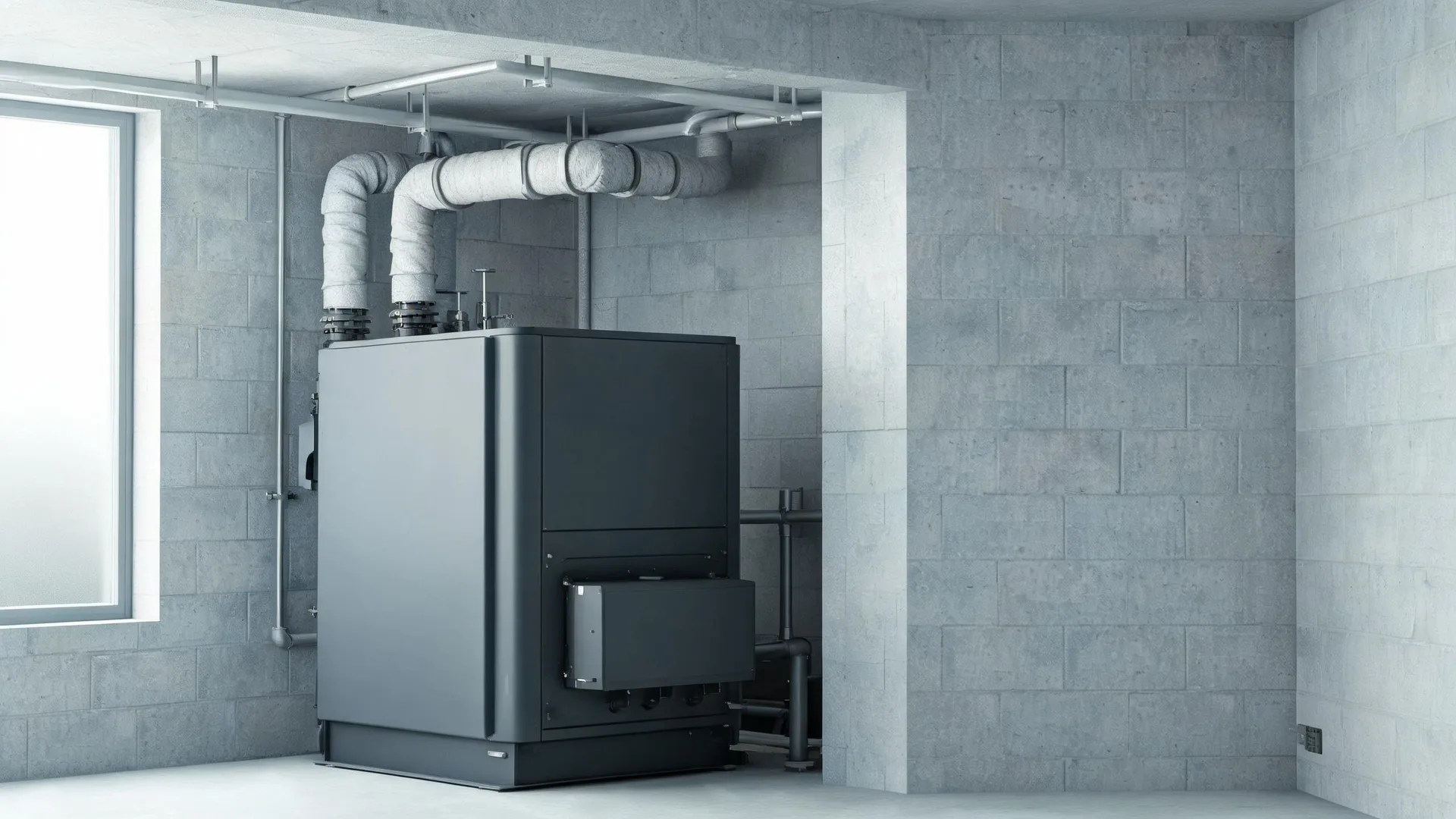
Oil runs expensive here
Maine homes paid $23.73 per million Btu for fuel oil in 2024. A boiler burning oil at that price makes efficiency a bigger factor than in states where fuel costs less.
Takes about a minute. No obligation.
Maine homes paid $23.73 per million Btu for fuel oil in 2024. A boiler burning oil at that price makes efficiency a bigger factor than in states where fuel costs less.
Two boilers rated for the same house can cost very different amounts to run each winter. When comparing installs, ask what efficiency rating each unit carries, since that number affects every gallon burned from here on.
Boilers in Kennebec County run September through May, nine months of the year.
Replace it in August and the install happens on your schedule, not during the first cold snap.



Half the homes in Kennebec County were built in 1975 or earlier, half later. That split doesn't change what boiler a house needs. A standard-sized unit at a standard efficiency rating fits either one, as long as it's sized to the house itself and not to its age. What matters is the heat loss of the rooms being heated, not the year on the deed. If a contractor sizes off a load calculation, an older home and a newer one down the street can end up with the same boiler.
Most homes in Kennebec County heat with fuel oil, and that's unlikely to change with this install. Replacing an oil boiler with another oil boiler means the venting and the tank setup already match what the house uses. A gas hookup would mean running a new line that isn't there now. Staying with oil keeps the install simple because the house is already built for it.
Find a contractorA boiler sized too big for the house will short cycle, firing on and off instead of running a steady stretch. That wears the burner and the ignition parts faster, and it keeps the water in the system from ever settling into an even temperature. The house ends up with rooms that overheat fast then cool off, not steady comfort.
The right size comes from a room by room heat loss calculation, which looks at wall area, window area, insulation and ceiling height for the space being heated. Sizing off the boiler that's already there just repeats whatever mistake the last install made. A contractor who skips the calculation and matches the old rating is guessing, not sizing.
Ask what each boiler is actually rated to do, not just its size on paper. A combi unit heats water for the taps as well as the radiators, so it has to be sized for both jobs at once, while a unit paired with a separate water heater only has to carry the heating load. Ask about the expansion tank and whether it gets replaced or reused, since an old tank sized for the last boiler won't necessarily suit the new one. Ask how the unit vents, because some draw combustion air from inside the house and some pull it from outside, and that changes what venting work the install involves. Ask what happens to the existing piping and whether it gets flushed, since old sludge and scale left in the lines will shorten the life of a new boiler no matter how good the unit is.
The old boiler comes out first, along with whatever piping or venting isn't being reused. If the system is being flushed, that happens before the new unit goes in, not after. The boiler gets set, connected to the supply and return lines, and plumbed to the expansion tank. Gas or oil line gets hooked up and tested for leaks before anything fires. Venting gets run or reconnected, matched to how that specific unit draws combustion air. Once it's wired and filled, the contractor fires it, checks for leaks at every joint, and bleeds air out of the radiators or baseboards so heat reaches every room evenly. The system needs to run through at least one full heating cycle before anyone can call the job done.