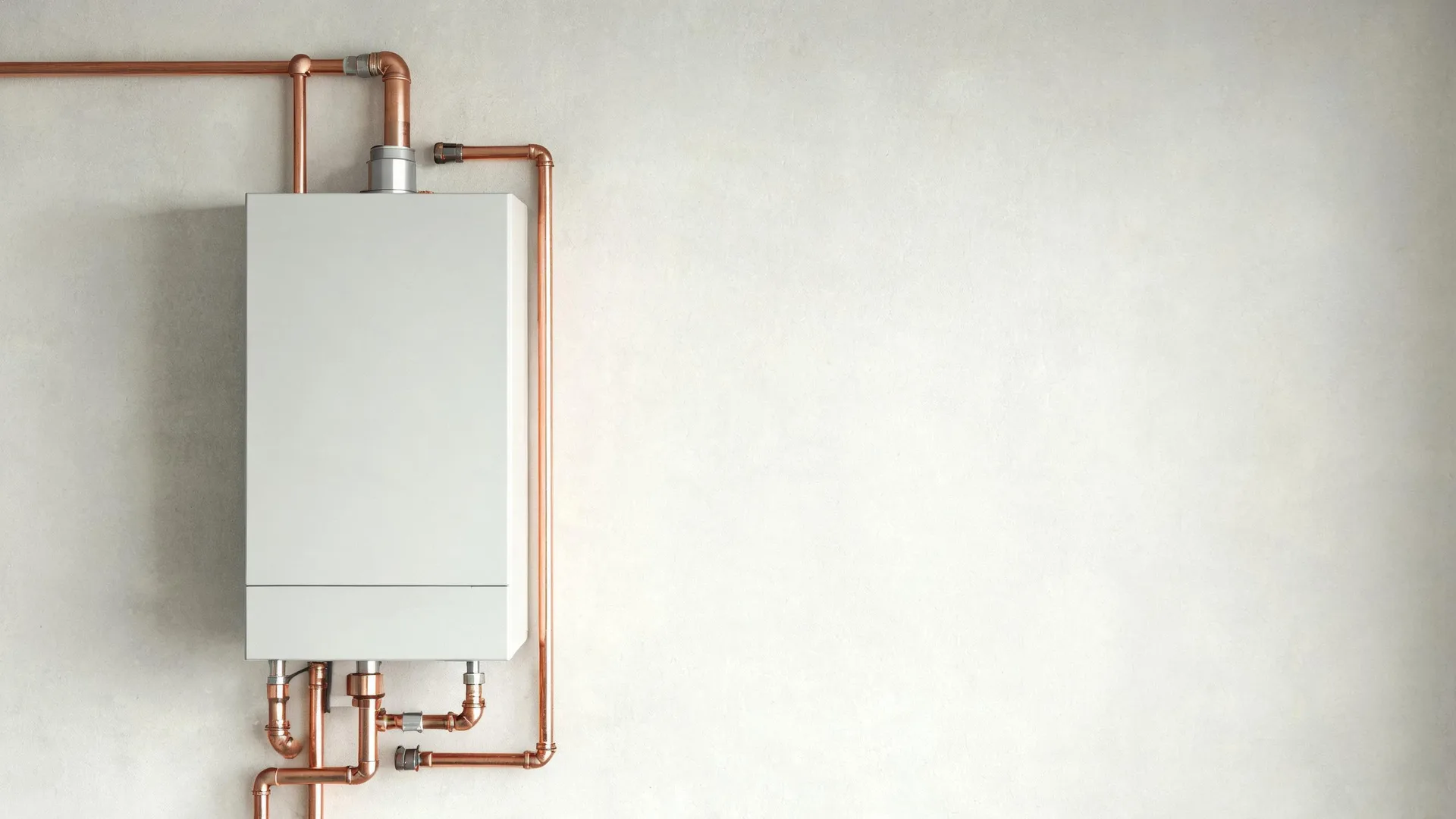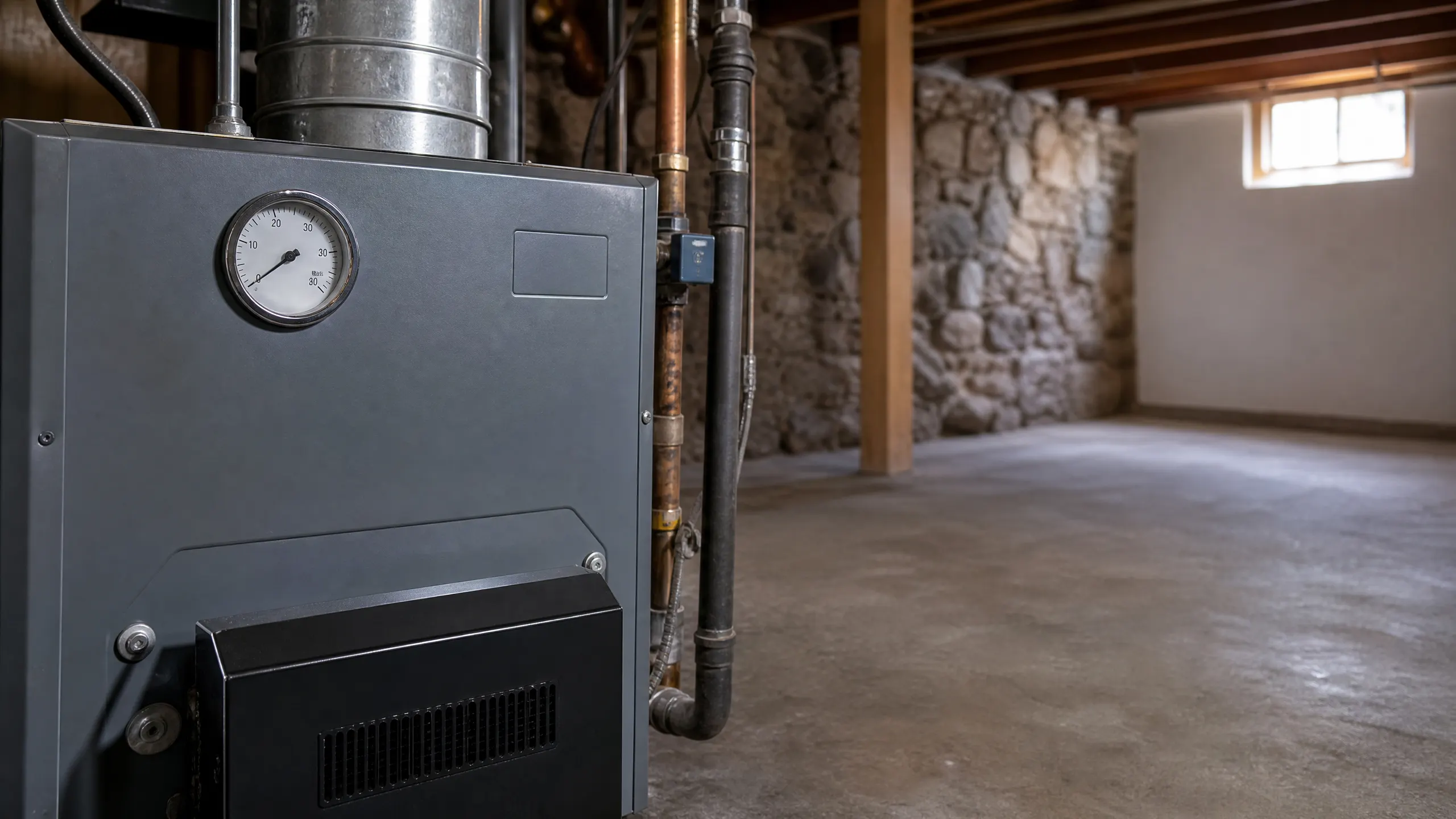
A standard boiler fits this job
Half the homes in Sagadahoc County were built in 1977 or earlier, half since. That spread doesn't point to anything oversized or unusual. A boiler sized to the house, not the vintage, is what the job calls for.
Takes about a minute. No obligation.
Half the homes in Sagadahoc County were built in 1977 or earlier, half since. That spread doesn't point to anything oversized or unusual. A boiler sized to the house, not the vintage, is what the job calls for.
The contractor will size the new boiler to the heat loss of your home, not to what the old one happened to be. Get that number right and the standard efficiency ratings on the market now will run the way they're built to.
Sagadahoc County logged 66 severe weather events between 2015 and 2024, most of them winter storms.
A boiler install should plan for the power going out, not just the heat going down.



Sagadahoc County sits in zone 6A, a cold, humid climate where the boiler runs all winter. Any new gas-fired boiler installed here has to hit at least 84 percent AFUE, the minimum set for units built from January 2021 on. That floor is already standard on most boilers sold today, so it shouldn't narrow what a contractor can offer you. It does rule out installing an old or leftover unit that predates the rule. A federal tax credit is available for qualifying high-efficiency equipment, worth asking a contractor about when you're comparing models.
Fuel oil heats more than half the homes in Sagadahoc County, and most of the boilers out there now run on it. If your old boiler burns oil, putting in another oil boiler is the straightforward path. A contractor can still walk you through gas or electric options if you want to compare, but oil is what most of your neighbors are running and what most installers here work with every day.
Find a contractor
A contractor shuts off the water and fuel lines, drains what's left in the tank, and disconnects the venting and any wiring before the unit comes out. An oil line gets capped. A gas line gets capped and pressure tested too. None of this touches the new boiler's install. It just has to happen first.
A boiler that's done its years isn't kept as a spare or a backup. Once it's disconnected, it gets hauled out for scrap. The steel and copper inside get recycled. There's no putting a retired boiler back into service, even for a short stretch, so don't plan around keeping it on hand.
The boiler itself is one line item. What it takes to connect it is another, and that second part varies more than people expect. Running new venting costs more than reusing a chimney liner that's still sound. Piping gets more involved if the new unit sits in a different spot than the old one, or if the near-boiler piping has to be rebuilt to match the manufacturer's specs. Zone valves, circulators, and the expansion tank get inspected during install, and any of them past their years adds to the job. A contractor pricing this out is pricing the whole system around the boiler, not just the box.
Install day starts with the old unit already drained and capped, so the real work is setting the new boiler and tying it in. The contractor sets it on its base, levels it, and runs the near-boiler piping to spec. Venting gets connected next, then the gas or oil line, then the electrical. Once it's hooked up, the system gets filled and purged to clear air from the lines, because trapped air causes noise and uneven heat later. The contractor fires it up, checks the burner, and tests every zone before calling it done. A boiler that's wired and piped but never tested isn't a finished install.