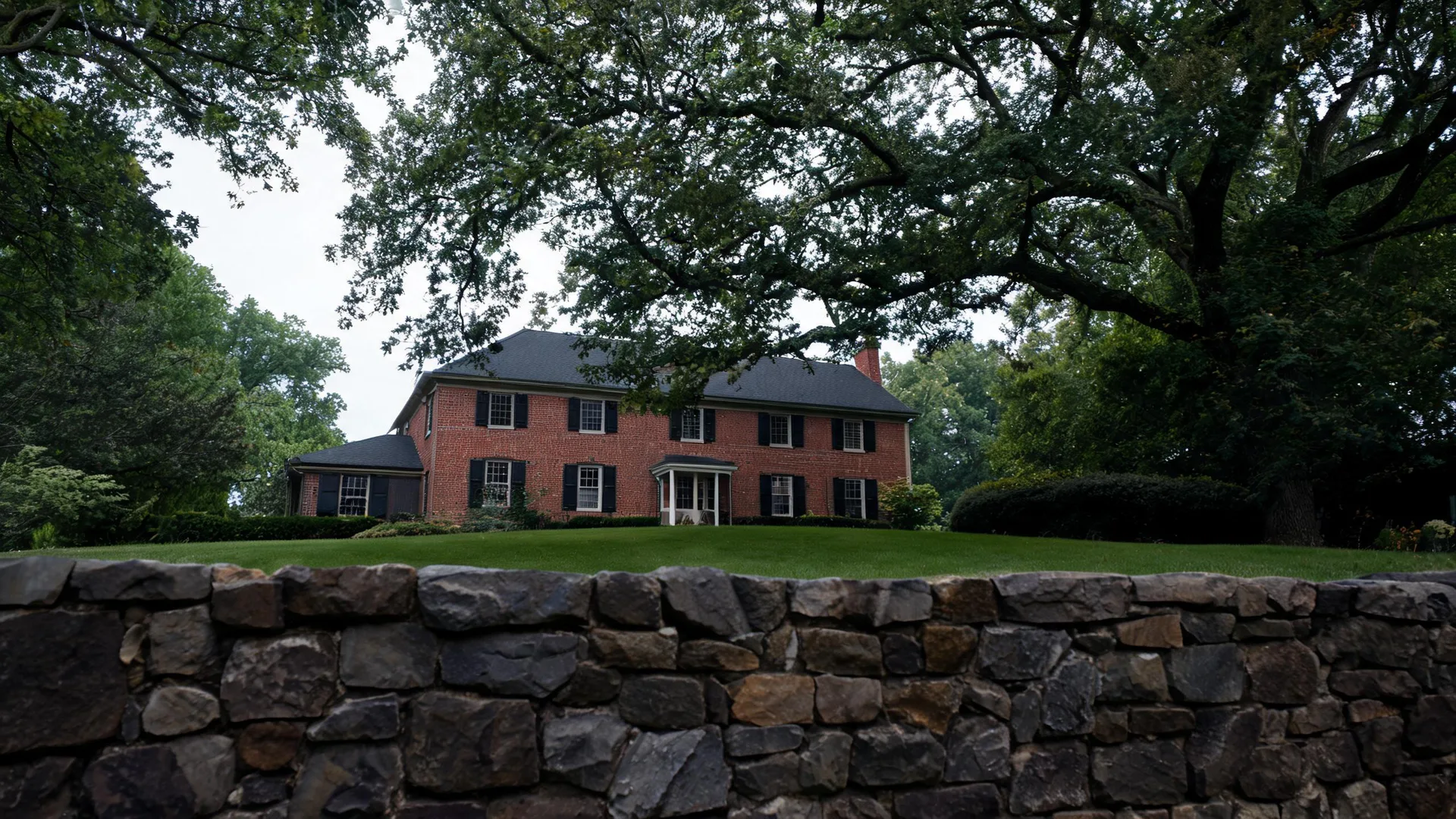




A two-story red brick house with black shutters and a dark roof sits on a mown lawn behind a dry-stacked stone retaining wall, framed by large overhanging tree branches.

Boiler Installation in Belfast, ME

Tell us about the job

Takes about a minute. No obligation.

New system or replacementBoilerWaldo County, ME
Step 1 of 2

What ZIP code is the job in?

Fuel oil ran $23.73 per million Btu in Maine in 2024. If your boiler runs on oil, that number sits behind every delivery through the winter. A new boiler that burns less to make the same heat keeps more of that cost out of your tank. Belfast winters are long enough that the difference shows up on more than one bill. Worth asking any installer how the boiler you're considering compares to what you have now, measured in fuel used, not just equipment price.

Winter storms hit Waldo County 79 times between 2015 and 2024.

A boiler needs power to run even on oil or gas, so an outage plan matters as much as the unit itself.

Nine months of heat start in September. Get the new boiler in before then.

Heat runs September through May
Winter nights average 14°F
79 winter storms from 2015 to 2024

Belfast sits in climate zone 6A, rated for a long cold winter with humid summers mixed in. Any new boiler going in has to meet the efficiency floor that comes with that zone. If it's gas-fired, that means at least 84 percent AFUE for anything manufactured from 2021 on, so that's the baseline, not an upgrade. That floor narrows what can go in, but it also means you're not choosing between an efficient unit and a cheap one that wastes fuel all winter. There's a federal tax credit for qualifying high-efficiency equipment too, worth asking about when you're pricing out units.

Most of Waldo County heats with oil. Replace your boiler with what already works here.

More than half the homes in Waldo County heat with fuel oil, more than any other fuel here. If that's what your boiler burns now, a new oil boiler is the straightforward path, built for the fuel already running to your house. No new tank, no gas line to bring in.

Find a contractor
A man in a brown jacket and cap, seen from behind, carries a canvas tool bag up porch steps toward a blue front door beside a potted broad-leafed plant.

AFUE is a fuel question, not a heat question

The rating on the label tells you how much of the fuel burned turns into heat for your house, and how much goes out the flue. It doesn't tell you how big a boiler you need or how warm your house will get. A boiler with a high rating can still be the wrong size for the job. Sizing and efficiency are separate decisions, and a good installer runs a heat loss calculation instead of just matching the old unit.
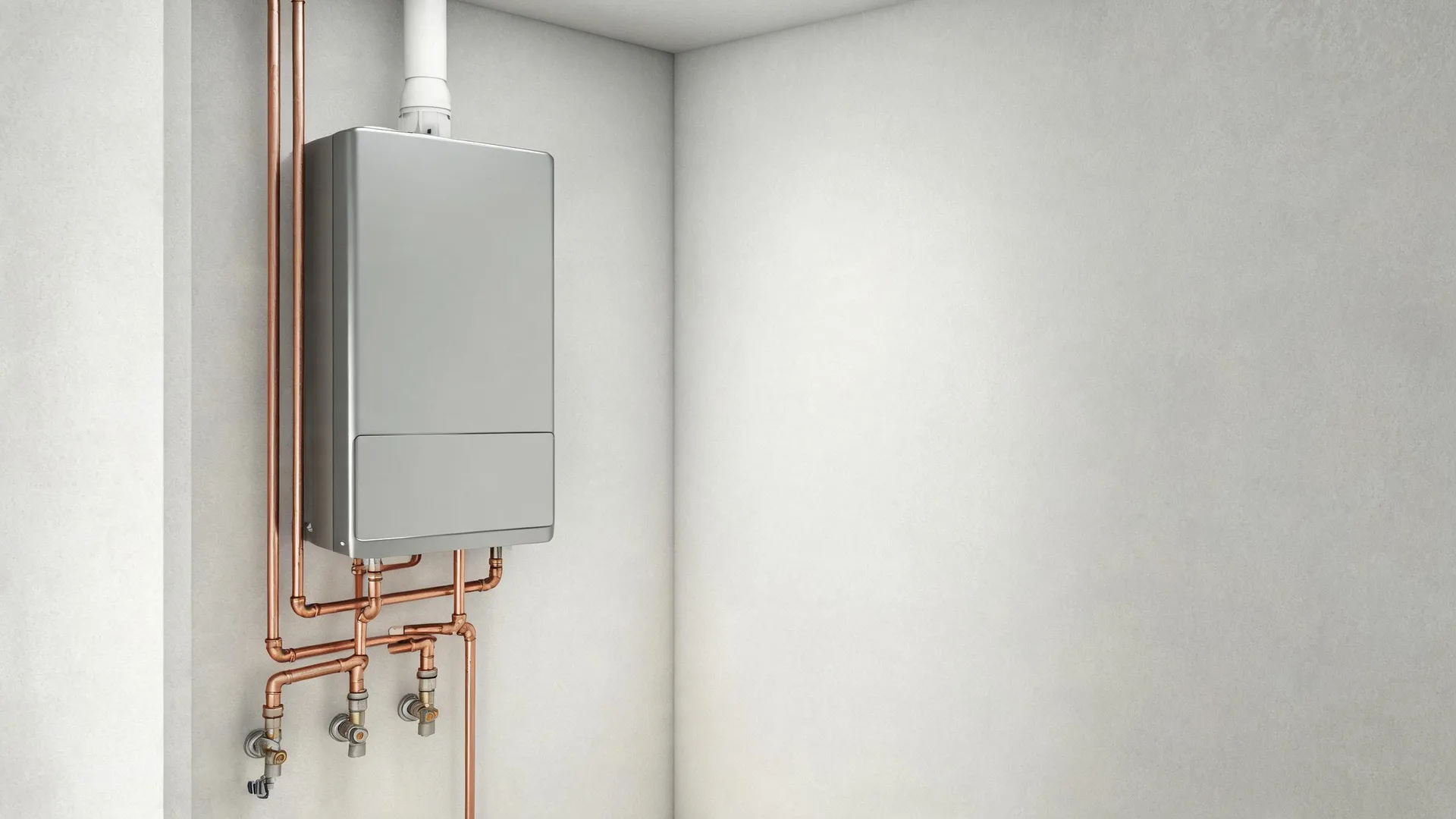
The rating holds up only if the boiler is kept up

A boiler loses efficiency when the heat exchanger scales up, the burner falls out of adjustment, or combustion air gets restricted. None of that shows up on the label, because the label reflects the unit new, tested under set conditions. Whatever rating you buy, keep it by having the boiler serviced on a regular schedule. Skip that and a high-efficiency unit can drift toward what an old, cheap boiler burns.

A boiler sized by guesswork either runs too hard or barely works, and both show up fast. Too big, and it short cycles, firing on and off in quick bursts that never let the house settle at a steady temperature, while the burner and ignition system wear down from all the extra starts. Too small, and it runs flat out on the coldest days and still can't keep up, leaving the far rooms cooler than the rest. The right size comes from a heat loss calculation, not the size of the old boiler. That means an installer looking at the square footage, the windows, the insulation and how the place is laid out room by room, then sizing the new unit to match what the house actually loses on a cold day. Replacing an old boiler with the same size or going bigger for peace of mind usually gets it wrong.

Installation day starts with the old boiler coming out, along with the piping and venting that won't carry over to the new one. Flushing the system matters here. Years of sediment sitting in the old boiler and radiators can travel into a new heat exchanger and scale it up before it's had a chance to run clean. The new unit gets set, connected to the supply and return lines, vented according to what that fuel requires, and wired into the thermostat and controls. Gas boilers get a combustion test once they're firing, checking that the mix of air and fuel is right rather than just that the flame is lit. Oil boilers get the nozzle and burner set to match the unit's specs, not the old boiler's. Before anyone leaves, the system gets bled of air and the pressure gets checked, because trapped air in the lines shows up later as cold spots or a boiler that won't stop cycling.