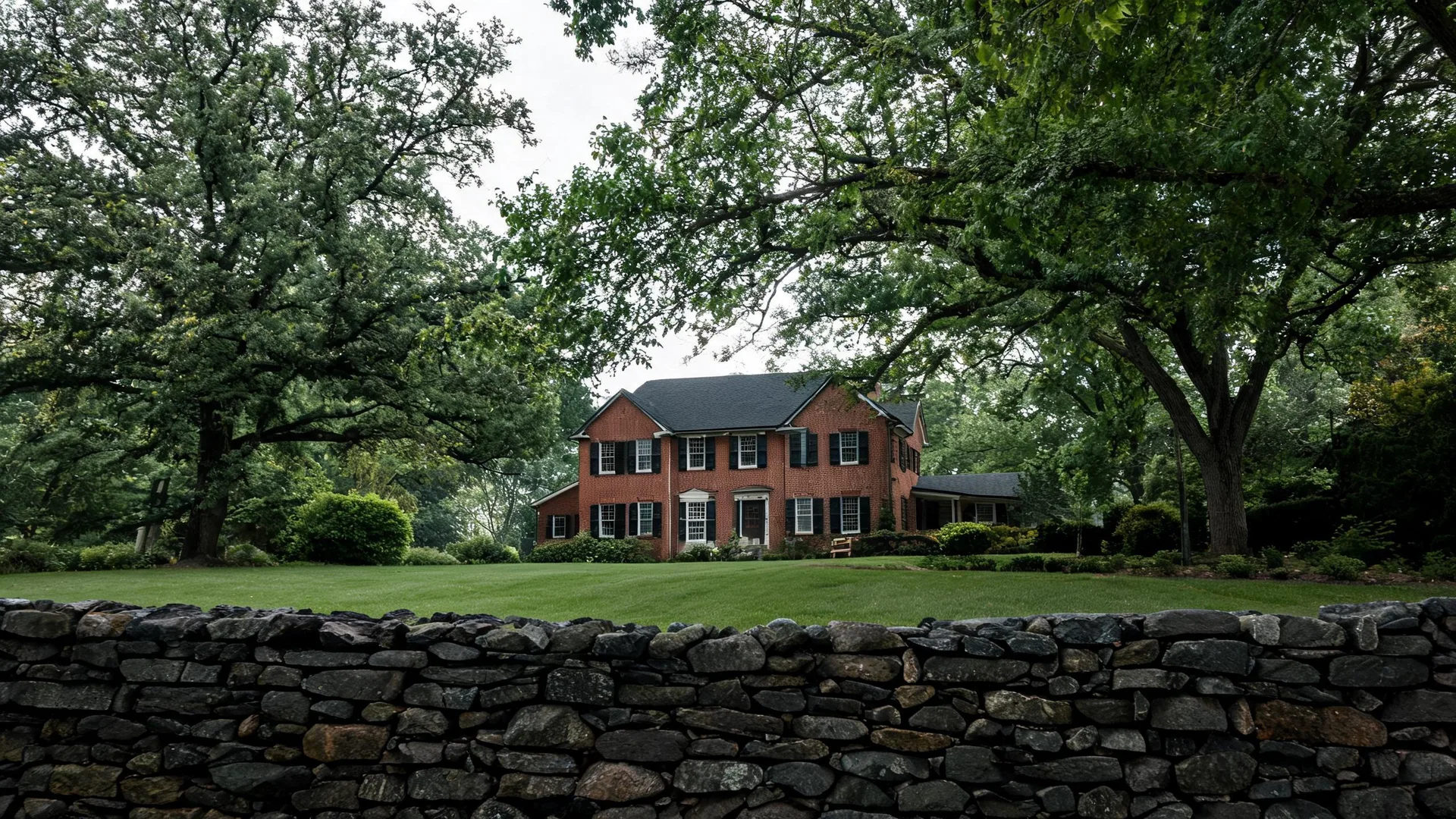





A two-story red brick house with black shutters and a gray roof sits behind a mowed lawn, framed by large deciduous trees, with a dry-stacked stone wall running across the foreground.

Boiler Installation in Dover-Foxcroft, ME

Tell us about the job

Takes about a minute. No obligation.

New system or replacementBoilerPiscataquis County, ME
Step 1 of 2

What ZIP code is the job in?

Fuel oil ran $23.73 per million Btu in Maine homes in 2024. If your boiler burns oil, that price is what every gallon costs you to make heat, and it shows up fast in a Dover-Foxcroft winter. A new boiler with a higher AFUE rating turns more of that fuel into heat instead of sending it out the flue. The difference between an old boiler and a new one isn't just comfort. It's fewer gallons burned to get the same warmth.

Oil heats 54.4% of homes in Piscataquis County, more than any other fuel.

Replacing an oil boiler with another oil boiler is the straightforward path for most homes here.

A boiler sized for a normal Dover-Foxcroft home does the job

Half the homes here were built by 1978
Heat runs September through June
Winter nights average 6°F
Ten months of heat a yearOvernight lows average 6°F here in winter, and heat runs September through June.

Heat comes on here in September. August is the month to get a new boiler in, before the first cold night makes the decision for you. A boiler picked out under pressure, with the old one leaking or dead, tends to get sized off the one it replaces rather than off the house. Doing it in August means the contractor has time to size it properly and you have time to compare bids instead of taking the first one. Ten months of heating a year is a long time to run a system that was rushed in.

A new boiler here has to meet zone 6A efficiency rules, and credits can offset the cost

Dover-Foxcroft sits in climate zone 6A, and any gas-fired hot water boiler installed here has to hit at least 84 percent AFUE. That floor rules out the lowest-efficiency units outright. A federal tax credit is available for qualifying high-efficiency boilers, worth factoring in before you pick a model.

Find a contractor
A man in a navy long-sleeve shirt and tan work pants, seen from behind, carries a canvas tool bag up light-colored porch steps toward a blue front door.

Ask what happens to the heat exchanger over time

Cast iron and stainless steel age differently inside a boiler. Cast iron tolerates mineral scale and rough water better but weighs more and takes longer to respond to a thermostat call. Stainless heats up faster and recovers quicker but can be less forgiving of poor water quality. Ask which one is in the unit you're comparing and ask what voids the warranty on it, because that tells you what the manufacturer actually expects it to face.
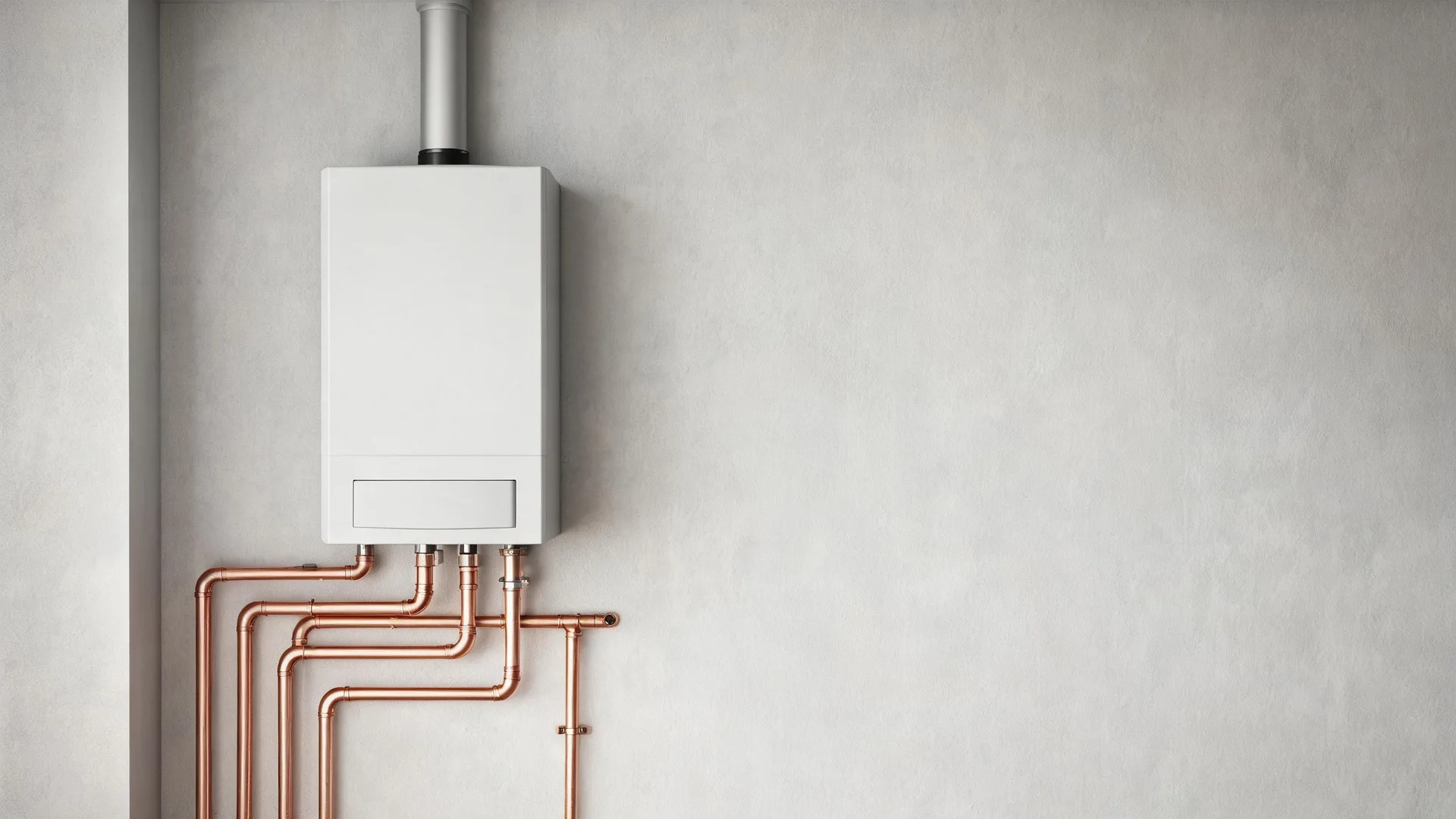
Ask how it was sized for the house

A boiler sized off the one it's replacing just inherits whatever guess was made years ago. A proper heat loss calculation looks at the house itself, the windows, the walls, how much heat actually escapes on a cold night, and sizes the boiler to match that number. Oversized, it short cycles and the parts wear out faster. Undersized, it runs constantly and still falls behind. Ask the contractor to show the calculation, not just quote a model number.

A few things move the price more than anything else. The fuel type matters first, since a gas boiler and an oil boiler use different venting and different fuel lines, and switching from one to the other costs more than swapping like for like. The venting itself is a factor too. Some boilers vent out a side wall through plastic pipe, others need a chimney liner, and running a new liner where none exists adds real labor. Zoning plays into it as well. A house heated as one zone is simpler to pipe than one split into several, each with its own thermostat and its own loop. The old boiler's condition counts too. If the existing pipes and the expansion tank are sound, they can often stay. If they're worn out or sized for the old unit, replacing them adds to the job. None of this shows up in a quote that only lists the boiler model.

Installation day starts with the old boiler coming out, and that's slower than people expect once the water is drained and the existing pipe connections are cut free. The new boiler gets set, leveled, and the piping is run to match it, not the other way around. Venting is usually the long part of the day, especially if a liner has to go in or a new line has to be run through a wall. Once it's connected, the system gets filled, purged of air, and fired up to check that it's drawing fuel correctly and venting properly. A contractor will also check the pressure and run the zones one at a time to make sure each thermostat is actually calling the right loop. A boiler that was sized and vented correctly before the crew arrives goes in clean. One with surprises in the walls or the chimney takes longer, and that's better found on install day than guessed at in a quote.