


Two white multi-story colonial houses with lit windows and black shutters photographed at night, fronted by a stone wall.

Boiler Installation in Portland, ME

Tell us about the job

Takes about a minute. No obligation.

New system or replacementBoilerCumberland County, ME
Step 1 of 2

What ZIP code is the job in?

Fuel oil ran $23.73 per million Btu in Maine in 2024. That's the price per unit of heat, and it's what your boiler draws on all winter long. A boiler that wastes less of that heat up the flue costs you less every time it fires. Ask what efficiency rating a new boiler carries before you settle on one, since that number tracks straight back to what you'll pay to run it.

Boilers in Cumberland County run from September through May.

A new boiler has to be sized for nine months of work a year, not a mild winter somewhere else.

Almost half the homes in Cumberland County heat with oil, so a boiler replacement usually means staying with oil

45.6% of homes heat with fuel oil
Heat runs September through May
Winter nights average 15°F

Half the homes in Cumberland County were built in 1976 or earlier, half after. That split doesn't point you toward a bigger boiler or a smaller one. A standard-sized unit, properly matched to the home's heat loss, works whether the house is old or new. What matters is the sizing calculation a contractor runs for your specific house, not the age of the building stock around it. There's nothing about homes here that calls for oversizing or an unusual efficiency tier. Ask for the sizing numbers on your own house rather than assumptions based on the neighborhood.

Have the new boiler in before September

Heat in Cumberland County starts in September and runs through May. Putting in a boiler during August means it's broken in and running right before that first cold month, instead of getting picked out while the old one is already down.

Find a contractor

Ask what the boiler is rated to do, not just its size

A boiler's output rating tells a contractor whether it can cover your home's heat loss on the coldest day of the year. Boilers that look alike on the outside can carry different output numbers inside. Ask for the heat loss calculation on your house, and ask how the boiler being proposed matches it. A unit that's oversized will short cycle, turning on and off more than it should, which wears the heat exchanger faster than steady runtime does.
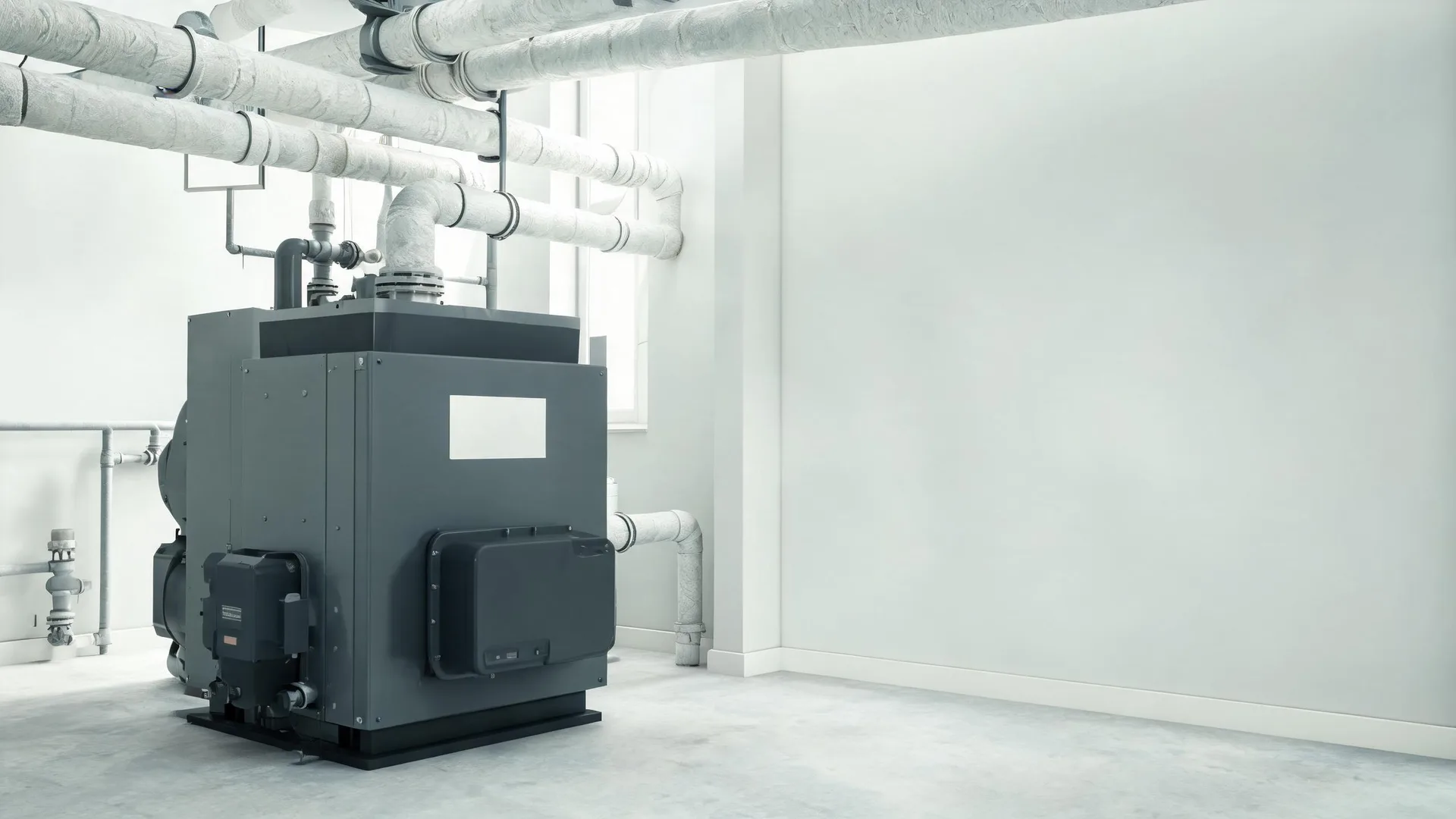
Ask how the near boiler piping will be laid out

The piping right at the boiler, the near boiler piping, affects how well the system circulates heat and how easy the boiler is to service later. Ask whether the installer plans to replace this piping or reuse what's there. Old piping built around a different boiler doesn't always suit a new one, and a mismatch here can mean uneven heat or a system that's harder to bleed and maintain.

The old boiler doesn't get left in place. It gets drained, disconnected from the supply and return lines, and taken out, along with the flue connection and any venting that served it. If it's cast iron, it usually comes out in pieces, since the sections are heavy and the doorways rarely cooperate otherwise. Whatever fuel line fed it, oil or gas, gets capped off safely once the new unit is piped in. An old oil tank, if there is one, is a separate question from the boiler itself. It can stay in service if it's sound, or it gets drained and removed if the contractor or an inspection calls for that. None of this is optional cleanup work. A new boiler piped into old venting or left connected to a disconnected tank is a problem waiting to show up later.

Once the old boiler is out, the new one gets set and leveled before any pipe is cut to fit it. Supply and return lines get run to the near boiler piping, the flue gets connected, and the system gets filled with water and bled to clear the air pockets that would otherwise cause knocking or cold spots. The controls and aquastat get wired in, and the circulator pump gets checked for the right direction of flow. Then it's fired up and watched through a full cycle, not just started and left. A tech checks the flue draft, looks for leaks at every joint that was touched, and confirms the boiler reaches temperature and shuts off the way it's supposed to. None of this gets signed off until the system has actually run, not just powered on.