




Two white multi-story colonial houses with lit windows and black shutters photographed at night, fronted by a stone wall.

Boiler Installation in Presque Isle, ME

Tell us about the job

Takes about a minute. No obligation.

New system or replacementBoilerAroostook County, ME
Step 1 of 2

What ZIP code is the job in?

Heat runs here from September through June, so August is the one month a boiler can come out and a new one go in without anyone shivering through it. Wait too long and you're doing this job after the old one has already quit, in the cold, with no time to spare. A boiler put in during August gets tested and adjusted before it has to carry the house through winter. That's the schedule worth planning around.

Fuel oil or kerosene heats 67.8% of homes in Aroostook County.

A boiler built for oil fits a house set up for it, without rewiring the heat around a new fuel.

Ten months of heat a year, down to 4 below, with 179 storms to run through

Heat runs September through June
Winter nights average 4°F
179 winter storms from 2015 to 2024
Built for the house that's already thereHalf the homes in Aroostook County went up in 1972 or earlier, and a boiler has to fit that house, not a new one.

Oil ran $23.73 per million Btu in Maine in 2024. That price lands harder on a boiler that wastes heat than one that doesn't. An efficient boiler gets more heat out of every gallon it burns. In a house heated by oil, that difference shows up on every fill-up, bill after bill, with no extra effort from anyone living there.

A boiler built to meet zone 7, with a credit to help pay for it

Aroostook County is zone 7, the coldest rating there is, and any boiler going in has to meet that standard. Gas-fired boilers built from 2021 on have to hit 84 percent AFUE. A federal tax credit is available on qualifying high-efficiency equipment, which helps offset a system built to meet a harder standard.

Find a contractor

Ask what it's rated to put out

A boiler has to match the heat loss of the house it's heating, not just replace what was there before. A contractor should size it room by room, not guess based on the old unit. Too big and it short cycles, turning on and off and wearing out early. Too small and it runs constantly without getting the house warm.
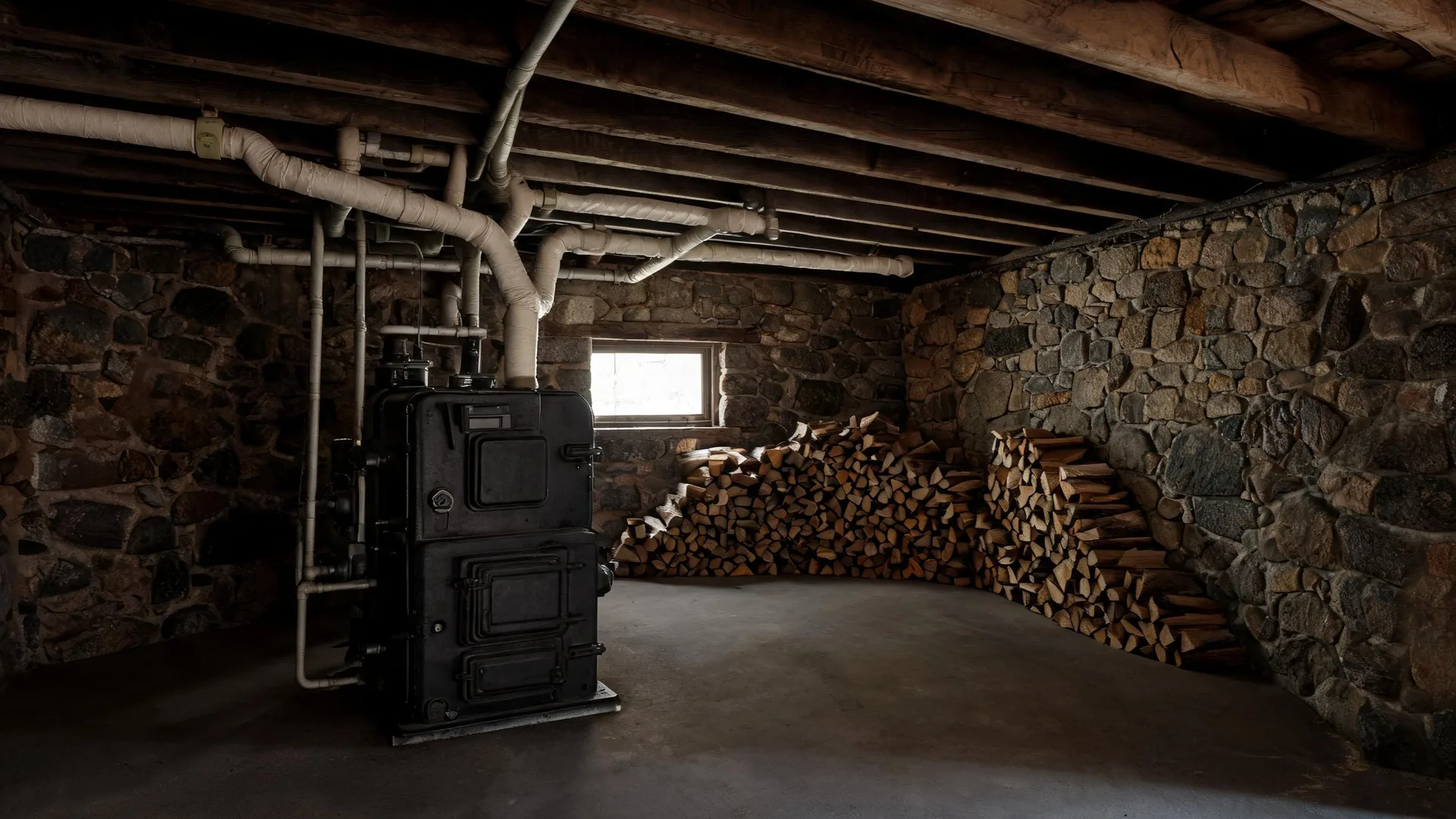
Ask how the near-boiler piping compares

Boilers with the same efficiency rating can still perform differently depending on how they're piped in. Ask about the circulator pump, the expansion tank, and whether the installer plans to reuse the old piping or replace it. Piping sized for the old boiler can bottleneck a new one, no matter how good the boiler itself is.

The old boiler doesn't come out until the new one can take over the same day. A contractor drains the system, disconnects the flue and the near-boiler piping, and takes the old unit out, usually in pieces if it's cast iron. What happens to it after that depends on the fuel it burned and the metal it's made of. Cast iron and steel both get scrapped for the metal. An oil-fired unit gets drained of any remaining oil first, and the tank, if it's being replaced too, gets handled separately since it can hold fumes even when it looks empty. None of this is work the homeowner has to manage. It's part of the same job as putting the new one in.

Sizing a boiler starts with heat loss, not the size of the old unit. A contractor works out how much heat escapes the house on the coldest days, through the walls, the windows, the roof, and picks a boiler that can match that loss. Some go room by room, adding up radiators or baseboard length, because a house rarely loses heat evenly from one end to the other. A boiler sized too big will short cycle, firing on and off all day instead of running a long steady burn, and that wears out the burner and the ignition parts faster than steady use would. One sized too small just keeps running, never quite catching up on the coldest nights. The near-boiler piping and the circulator pump have to match the output too, since a boiler can only deliver what the piping is built to carry.