




A row of illuminated white colonial houses along a road photographed at dusk.

Boiler Installation in Sanford, ME

Tell us about the job

Takes about a minute. No obligation.

New system or replacementBoilerYork County, ME
Step 1 of 2

What ZIP code is the job in?

York County has seen 95 winter storms in the past decade, the kind that bring down power lines along with the snow. A boiler doesn't sit outside and take hail or wind like an air conditioner's condenser does, so that's not the worry here. Power is. Most boilers need electricity to run the circulator pump and controls even though the heat itself comes from gas or oil, so when the power goes, the heat goes with it. Over half of Maine households lost power for a day or more in 2024. Worth asking about backup power for the boiler when you're installing, not after the lights go out.

Fuel oil or kerosene heats 60.5% of homes in York County, the fuel most boilers here are built to burn.

Replacing an oil boiler with another oil boiler means the tank, lines and vent already fit the job.

Oil runs $23.73 per million Btu here, so every point of efficiency shows up on the bill

Heat runs September through May
Winter nights average 16°F
95 winter storms from 2015 to 2024
Nine months of heat a year, down to 16° nightsHeat runs September through May here, with January and February lows averaging 16°F.

Heat runs here from September through May, about nine months a year. That leaves August as the one month a boiler sits unused, and it's the month to put a new one in. Install in the cold and the job happens around whatever the old boiler can still limp through, or the house goes without heat while the work gets done. Install in August and the new boiler has a few quiet weeks before it has to do anything, time enough for a contractor to check the venting and bleed the lines. September is when this one starts earning its keep.

A boiler built for zone 6A

Sanford falls under zone 6A, a cold climate zone with homes built to hold heat through a long winter. Gas-fired boilers built from 2021 on have to hit 84 percent AFUE here, so that's the floor for a new install, not an upside. A federal tax credit is available toward the cost of a qualifying high-efficiency system. Get the details for your home before the cold sets in.

Find a contractor

The old boiler gets disconnected and hauled out

A contractor shuts off the gas or oil line, drains the water from the system, and disconnects the venting before the old boiler comes out. Cast iron units are heavy, often too heavy for one person to move alone. Most contractors haul the old unit away as part of the job, so there's no separate disposal to arrange.
The old venting rarely works for the new boiler

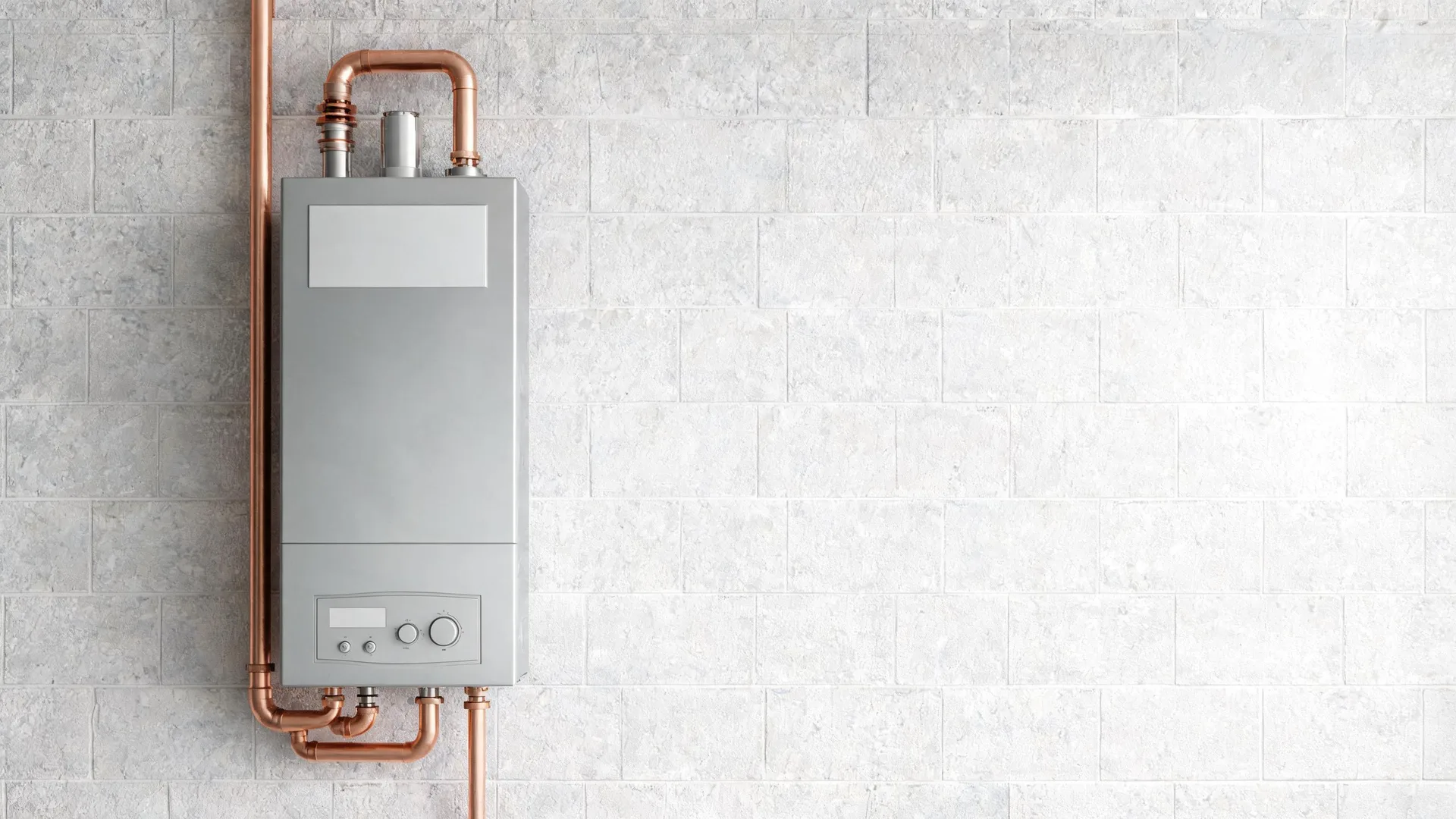
High-efficiency boilers vent through PVC pipe out a sidewall, not up a chimney like older models. If the old boiler used the chimney, that chimney gets capped or lined for another appliance, and new venting gets run through the wall. This is part of why swapping a boiler is more than disconnecting one box and connecting another.

A boiler sized too big for the house will short cycle. It fires, satisfies the thermostat fast, and shuts off again before the rooms actually feel even heat. That start-stop pattern wears on the cast iron and the igniter more than a longer, steadier run would. Too small, and it runs flat out on the coldest days and still can't keep the far rooms warm. The right size comes from a heat loss calculation done room by room, weighing square footage, window area, insulation and ceiling height. A contractor who just matches the new boiler to whatever size is already in the basement is going on a guess somebody else made, not on what this house needs now.

Install day starts with pressure testing, not with firing the boiler up. Every joint in the near-boiler piping gets checked before the system is buried behind insulation and drywall again. Once that holds, the contractor fills the loop and bleeds air from each radiator or baseboard run, because trapped air shows up later as a cold spot or a knocking pipe. The controls get wired next. The aquastat, the circulator, any zone valves all have to talk to the thermostat correctly. Then comes the test fire, run long enough to watch the flame pattern and check the flue draft, not just long enough to see the burner light. A boiler that passes a quick test can still fail on a start-stop cycle later on, so a contractor worth hiring runs it through a few full cycles before calling the job done.