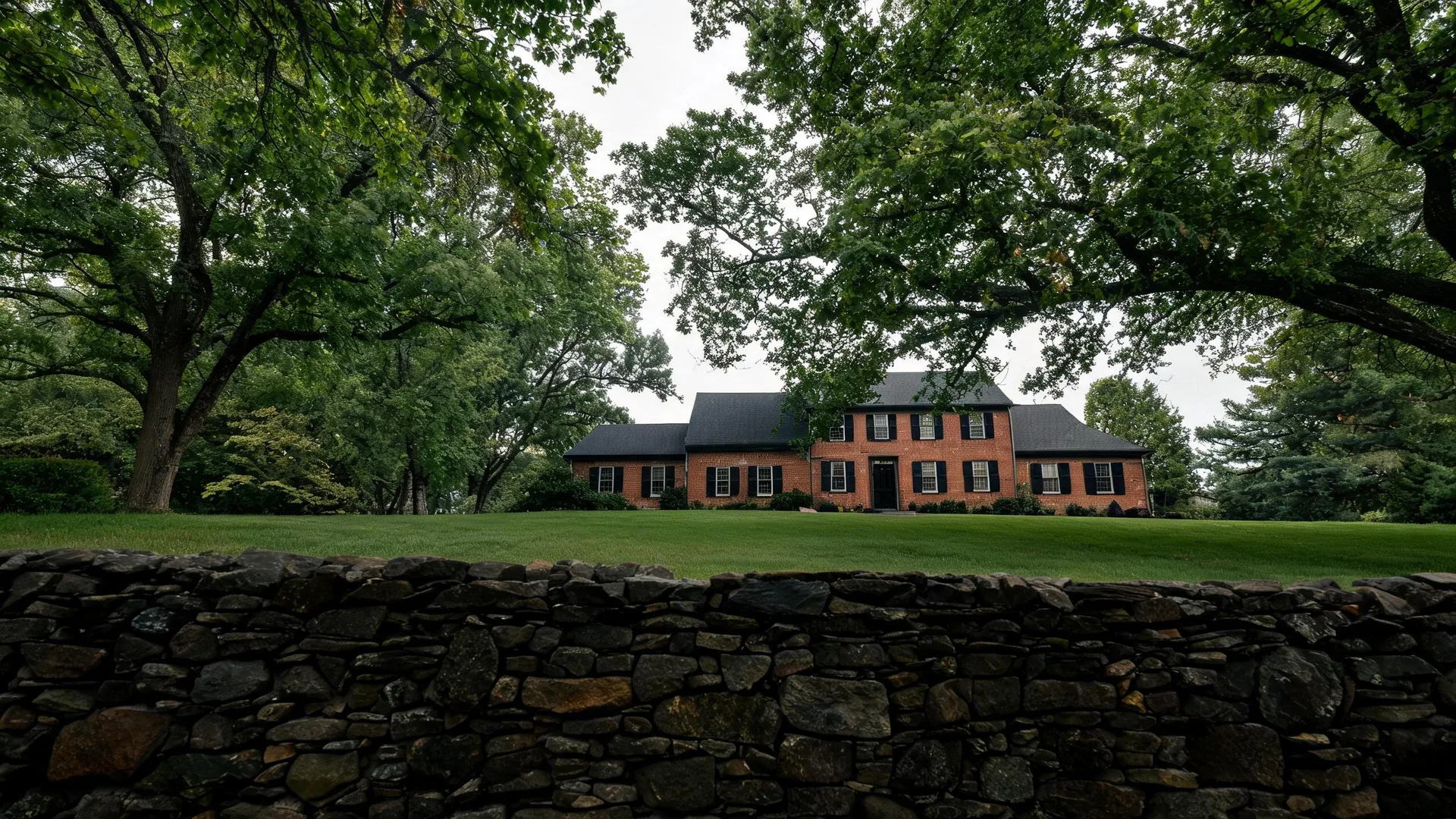




A two-story brick house with black shutters and a dark roof stands behind a mown lawn, framed by large leafy trees, with a dry-stacked stone wall across the foreground.

Boiler Installation in Waldoboro, ME

Tell us about the job

Takes about a minute. No obligation.

New system or replacementBoilerLincoln County, ME
Step 1 of 2

What ZIP code is the job in?

Fuel oil ran $23.73 per million Btu in Maine in 2024. If your boiler runs on oil, that price is the reason efficiency matters more here than in a lot of places. A boiler that wastes less heat burns less oil to warm the same rooms. Over a Waldoboro winter, that difference shows up on every delivery.

Boilers in Lincoln County run from September through May.

A new boiler here needs to be sized for nine months of work, not a mild winter.

Half the homes here were built by 1978, but that doesn't change what boiler to buy

Half the homes here were built by 1978
Heat runs September through May
Winter nights average 16°F

Oil heats 56.5% of homes in Lincoln County, more than any other fuel by a wide margin. Bottled or LP gas comes next at 18.3%, and utility gas barely registers. There's no gas main running to most streets here, which is why so few homes burn it no matter what they'd prefer. For a boiler, that points toward staying with oil, since the tank, lines and venting are usually already in the house. Switching fuels on a new install means adding all of that, not just swapping the unit.

Efficiency pays here

Power costs more here, so an efficient system pays you back on every bill.

Find a contractor
A man in a dark T-shirt and tan work pants, seen from behind, climbs porch steps toward a blue front door while carrying a canvas tool bag filled with hand tools.

Sizing comes from a heat loss calculation, not the old boiler's rating

A contractor works out the right size by measuring the house. Wall area, window type, insulation, ceiling height all factor in. From there the calculation shows how much heat the house loses on the coldest day, and that number sets the size. The old boiler's output isn't a safe stand-in for that. Boilers installed decades ago were often oversized by habit, so matching the new one to the old one just repeats the mistake.
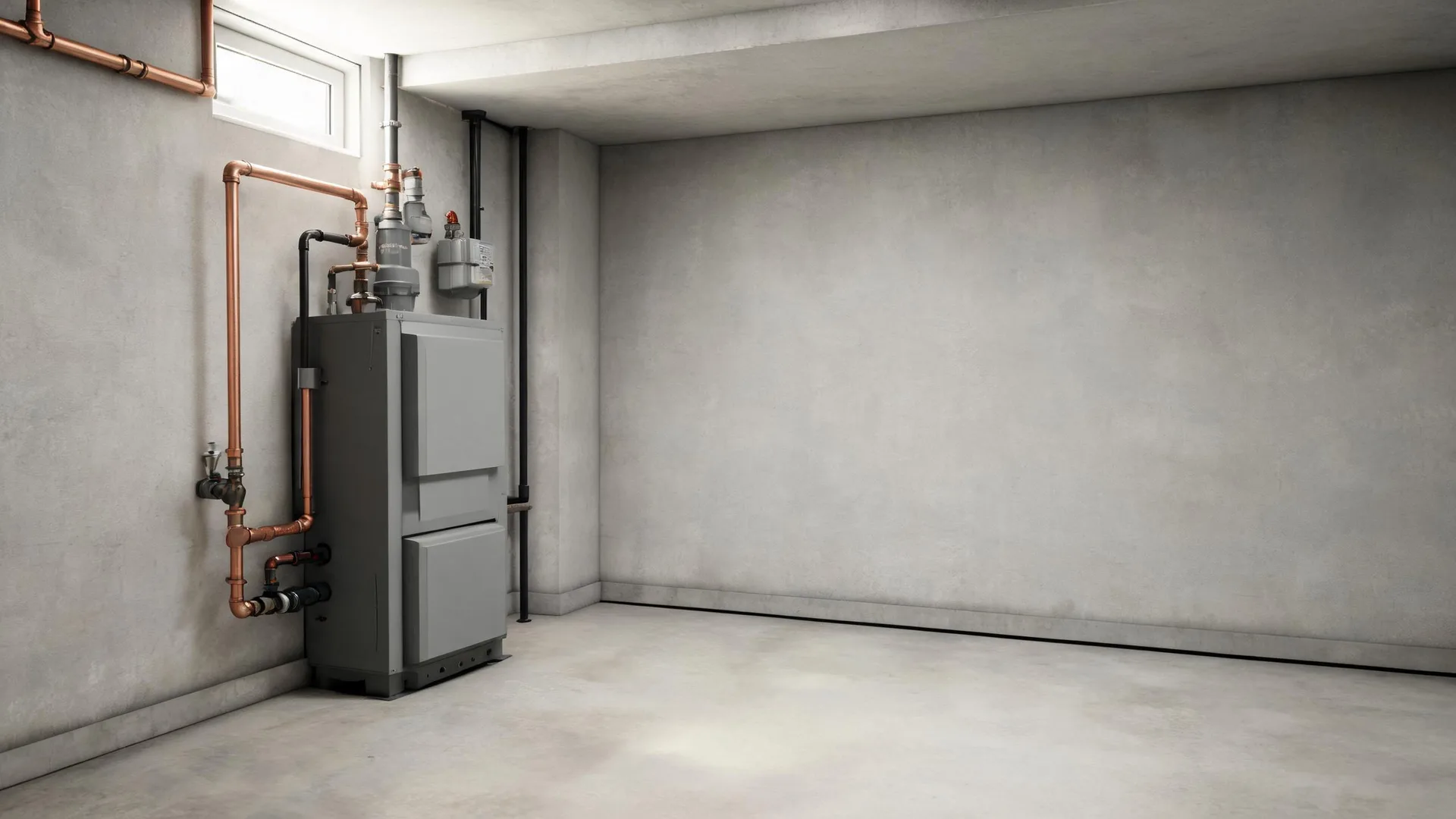
Oversized is its own problem, not a safety margin

A boiler too big for the house heats the water fast, shuts off, and starts again a short while later. That short-cycling wears the burner and the igniter harder than steady runs do, and it leaves rooms further from the boiler less evenly heated. The right size runs longer, steadier cycles. That's easier on the equipment and keeps heat more even room to room.

A sales pitch will tell you a boiler's output rating and stop there. Ask instead about the AFUE number, since that tells you how much of the fuel you burn actually ends up as heat in the house instead of going out the flue. Ask what the boiler is made of, cast iron or steel, since that affects how it handles the stress of heating up and cooling down over and over. Ask whether the quote includes new venting or just reuses what's there, because a more efficient boiler often needs different venting than the one it replaces. Ask how the circulator pump is sized to the pipes and radiators already in the house, since the wrong pump moves water too fast or too slow to heat rooms evenly. And ask what happens to the old expansion tank and controls. Reusing old parts on a new boiler can undercut everything the new unit is supposed to do.

Installation day starts with draining and disconnecting the old boiler, then pulling it out, which takes longer than people expect once the old piping and venting come into it. The new boiler gets set, leveled, and connected to the existing pipes, though some of that piping often gets reworked rather than just reused. Venting comes next, and if the new boiler needs a different venting setup than the old one, that's its own job, not a quick swap. Once it's piped and vented, the system gets filled with water and purged of air, since trapped air in the lines keeps radiators from heating evenly. Controls and the circulator get wired in and set to match the house. Before anyone leaves, the boiler should run through a full cycle so the contractor can check the burner, the pressure, and how evenly heat moves through the radiators, not just that the unit powers on.